


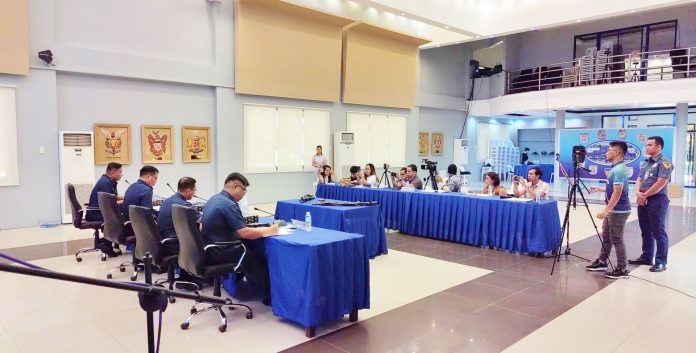
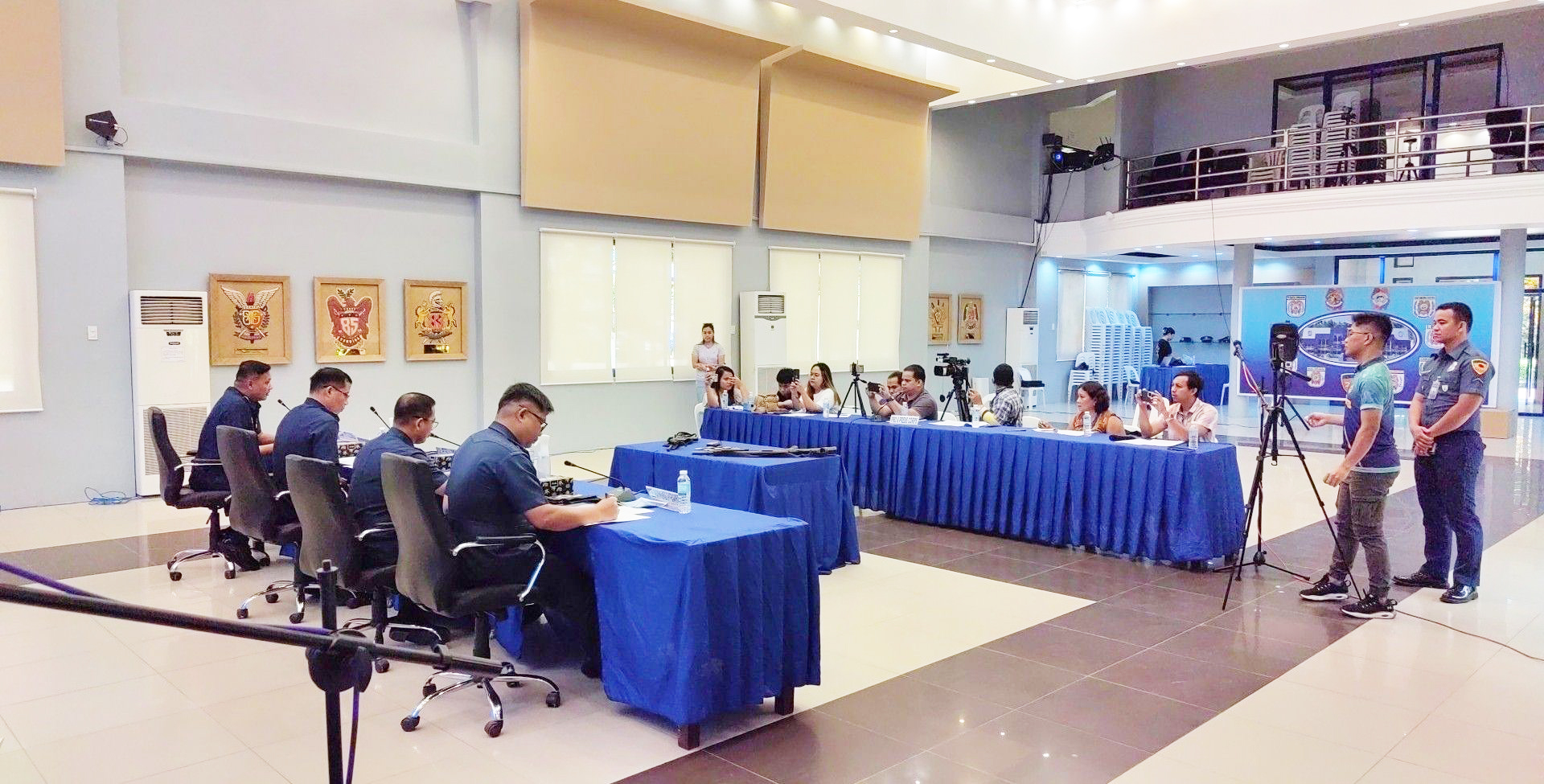
Placed under an embarrassing setup where probers were given a run around the questions that the police officers had a good time evading the questions, the senators turned berserk by issuing threats of citing them in contempt. The antics had entertained the public who have the time to watch either face to face inside the senate halls or live coverage by radio and television or live streaming on various media platforms.
That same drama happened during the recent investigation of police officers who lost allegedly almost a ton of illegal drugs popularly known as shabu. The haul was already in custody by the officers who nabbed the contraband but got lost in mysterious circumstances that probers believed to be suspicious. The tales presented by the police officers were full of inconsistencies.
Those police officers held their ground that they have no part in the alleged wrongdoing being charged against them. Bereft of enough evidence to support their surmises, Senator Ronald “Bato” de la Rosa begged for cooperation from the police officers, dropping on bended knees asking for mercy that the police officers tell the truth for the sake of the Filipino people and country.
The brouhaha of the senate probe exposed the undeniable truth that the brutal drug war carried out by Senator Ronald “Bato” de la Rosa was an utter failure. Lives were wasted in that bloody war and the drug menace still exists until now. The antics of kneeling in the hallowed halls of the senate was nothing but a clear act that he and his principal, then president Rodrigo Roa Duterte bloody drug war was a failure. The fact that police officers are in the drug business under probe is a statement that his failed drug war is admitted.
comments to alellema@yahoo.com
Hard times are here
ASSOCIATE PROFESSOR III
The Philippines is facing a serious economic challenge as the prices of goods and services continue to rise amid the rising oil prices and other upheavals in recent times. If you are not living under a rock , you would know that times are hard.
The Philippine economy is facing a challenging situation in 2023, as it struggles to recover from the impact of the COVID-19 pandemic and other geopolitical events that have disrupted global trade and supply chains. The country’s gross domestic product (GDP) contracted by a record 10 percent in 2020, and is expected to grow by only 5.3 percent in 2023, which is below its potential growth rate and pre-pandemic level1. The country also suffers from high unemployment, inflation, and fiscal deficit, which pose risks to its macroeconomic stability and long-term development.
One of the most pressing issues confronting the Philippine economy is the rising prices of goods, especially food and fuel. The headline inflation rate, which measures the average change in prices of a basket of goods and services, rose to 8.7 percent in January 2023, the highest since 2008. This was mainly driven by the increase in prices of housing, water, electricity, gas and other fuels, which accounted for more than half of the inflation rate2. The increase in fuel prices was partly due to the surge in global oil prices, which reached USD 80 per barrel in September 2023, the highest since 2014. The Philippines is a net oil importer, which means that it spends more on importing oil than it earns from exporting oil. In 2023, the country’s oil import bill amounted to USD 10.97 billion, an increase of 3.9 percent from the previous year.
Another factor that contributed to the high inflation rate was the shortage of rice, the staple food of most Filipinos. Rice accounts for about 20 percent of the consumer price index (CPI), which is used to compute the inflation rate5. In January 2023, the price of rice increased by 7.4 percent year-on-year5. The rice shortage was caused by several factors, such as low domestic production, high demand, import restrictions, and supply chain disruptions. The country’s rice production in 2023 was estimated at 11.98 million metric tons (MT), down by 3.5 percent from the previous year6. This was due to unfavorable weather conditions, pest infestations, lack of irrigation, and low farm productivity. The country’s rice demand, on the other hand, was estimated at 15 million MT in 20236, which means that there was a gap of about 3 million MT between supply and demand. To fill this gap, the country had to import rice from other countries, such as Vietnam, Thailand, India, and Pakistan. However, the importation of rice was hampered by several challenges, such as limited availability of supply from exporting countries due to their own domestic needs or export bans; high international prices due to strong demand and low stocks; and logistical constraints due to port congestion and quarantine protocols.
The rising prices of goods, rice, and oil have significant implications for the Philippine economy and society.
Looking at these now, times are really hard …