22.1 C
Tacloban City
March 21, 2026 - Saturday | 2:10 AM
Home Blog Page 1065

VSU Tolosa is now the top performing criminology school in Eastern Visayas

0

Visayas State University Tolosa’s College of Criminal Justice Education (CCJE) is now the emerging best criminology school in Eastern Visayas after 90 of its 175 first time takers have successfully passed the recently concluded April 2023 Criminologists Licensure Examination (CLE).

The Professional Criminologists Association of the Philippines (PCAP) here in the region announced this on June 9 where they emphasized VSU Tolosa’s continuing growth as an emerging top criminology school in Eastern Visayas.

VSU Tolosa obtained an institutional passing percentage of 51.43% for first time takers which is the highest rating under Category A (above 100 takers). Overall institutional performance was at 42.73% as only 4 of the 41 repeaters made it on their second take of the CLE.

This overall institutional performance surpasses the national passing percentage of 31.84% with only 4,139 out of 11,131 takers nationwide successfully made it in the April 2023 CLE.
The PCAP-8 also disclosed that VSU Tolosa also produced three regional top scorers in the April 2023 CLE with John Ryan A. De los Santos got the 3rd highest percentage while Arnold B. Ramis and Glen D. Manito secured 5th and 7th spots, respectively.

De los Santos expressed his reflections on his remarkable journey as one of the regional top scorers.

“It sends shivers to my spine, figuratively, upon achieving this milestone. As I was preparing to take the examination, I felt a lot of torture, great tension, mental agony and excitement. But my family was always there to lift my spirit of hope up and to keep it burning whatever the odds were. So I was glad to pass the exam and to land as the 3rd highest regional scorer I supposed is already a bonus for me and my family,” he said.
Meanwhile, VSU Tolosa Chancellor Dr. Queenstein D. Lauzon expressed her delight about this news saying that despite having their criminology program as a relatively young offering,it is now starting to make a mark in the region.

“This is indeed a welcome development for us because criminology has been one of our in-demand curricular programs in VSU Tolosa for the past years. This feat is also a testament of our continuing commitment to improve the overall quality of our criminology education in Eastern Visayas,” she said.

The VSU Tolosa Chancellor also shared her aspiration of producing national topnotchers in the future.

“It’s a good thing to note that we’re also producing regional top scorers now. I really hope that next year or in the following licensure exams for criminologists, one day we will see a #ProudViscan from VSU Tolosa will emerge in this prestigious list. That’s why, we are doing all necessary steps to continuously improve our instructional quality for all the degree programs that we offer here on our campus,” Dr. Lauzon added.

The Professional Regulation Commission (PRC) and the Board of Criminology administered the first CLE this year on April 3, 4 and 5, 2023 in Manila, Baguio, Butuan, Cagayan de Oro, Calapan, Cebu, Davao, Iloilo, Koronadal, Legazpi, Lucena, Pagadian, Pampanga, Rosales, Tacloban, Tuguegarao, Zamboanga, Antique, Bacolod, Bayambang, Bohol, Calbayog City, Cauayan, Dumaguete, Ilocos Norte, Ilocos Sur, Kidapawan, Occidental Mindoro, Naga, and Palawan.
(From VSU TOLOSA DOLPHIN PUBLICATION STAFF)
U.S., South Korea ink P111.5 million partnership to improve climate resilience of Philippine cities

0
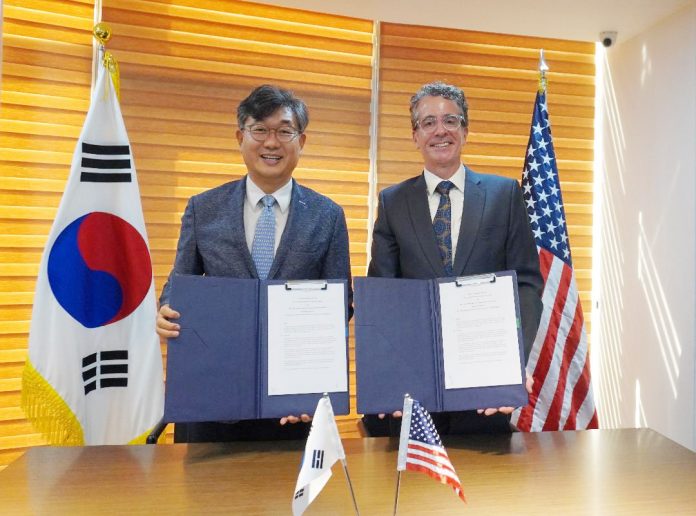
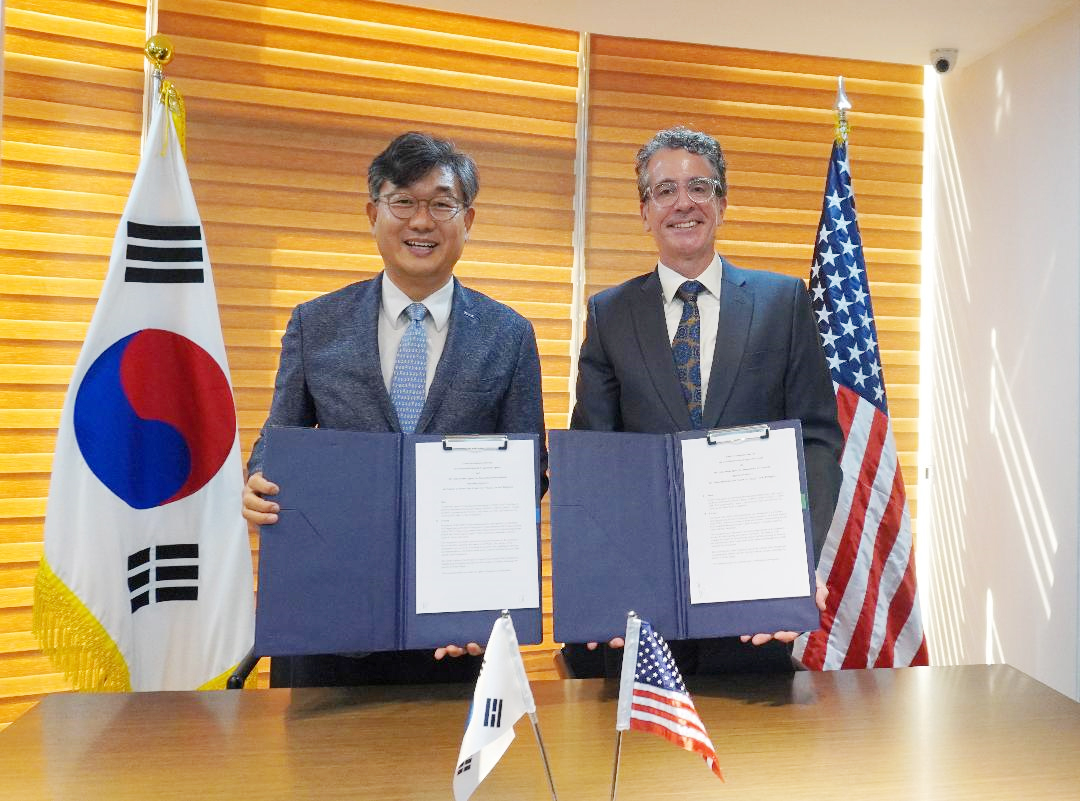
Korea International Cooperation Agency (KOICA) Philippines Country Director Eunsub Kim (left) and U.S. Agency for International Development USAID Philippines Mission Director Ryan Washburn sign the P111.5 million ($2 million) partnership between the United States and South Korea to boost the climate resilience of six cities in the Philippines.(US Embassy)

Borongan City among the beneficiaries

Korea International Cooperation Agency (KOICA) Philippines Country Director Eunsub Kim (left) and U.S. Agency for International Development USAID Philippines Mission Director Ryan Washburn sign the P111.5 million ($2 million) partnership between the United States and South Korea to boost the climate resilience of six cities in the Philippines.(US Embassy)

Manila_On April 22, the United States government, through the U.S. Agency for International Development (USAID), and the Korea International Cooperation Agency (KOICA) signed a P111.5 million ($2 million) grant partnership agreement to boost the capacities of Philippine cities to adapt to, mitigate, and manage the impacts of climate change and natural disasters.

Through this grant funding, KOICA will support the implementation of the USAID’s five-year, P836.5 million ($15 million) Climate Resilient Cities Project that benefits partner cities of Batangas, Borongan, Cotabato, Iloilo, Legazpi, and Zamboanga.

KOICA’s technical assistance will enhance the capacity of local government units (LGUs) to develop guidelines for and use climate adaptation technology.

More than 180 Philippine officials and stakeholders will also be invited to participate in capacity building programs organized in the Philippines and Korea.

USAID and KOICA will also support the six LGUs and other stakeholders to more effectively disseminate climate-related information to local communities; increase access to climate financing for economic and social development; and promote natural climate solutions that strengthen cities’ resilience to climate change.

Additionally, the governments of the United States and Korea will soon launch a partnership to prevent and reduce marine pollution in Manila Bay. This partnership also seeks to enhance knowledge and influence social and behavioral changes for marine pollution reduction and prevention.

This latest agreement between USAID and KOICA follows the signing of a memorandum of understanding in April 2021 where the two leading development agencies agreed to strategically collaborate on priority programs, including climate change-related initiatives, to advance development in the Philippines.

“As the United States and Korea are among the largest bilateral donors in the Philippines, this momentous partnership of USAID, KOICA, and the Philippine government will bring together our accumulated experience and technical expertise to build climate change and disaster resilience in the country,” KOICA Country Director Eunsub Kim said.

“For 70 years, the United States and Korea have worked together to pursue mutual goals based on our core values of democracy and human rights,” said USAID Philippines Mission Director Ryan Washburn. “The United States has pledged to strengthen this alliance and broaden the focus to address issues of critical importance to the Indo-Pacific region and the world. In particular, we will deepen our cooperation in addressing the climate crisis, reducing plastic waste, and promoting advanced technologies. We will also enhance our economic cooperation and people-to-people ties,” he added.

The Philippines consistently places high in global rankings on climate change risk and vulnerability. With an average of 20 typhoons per year and frequent floods, landslides, earthquakes, and volcanic eruptions, the Philippines is one of the most disaster-prone nations.

According to the 2022 World Risk Index, the Philippines ranked first out of 193 countries with the highest disaster risks. Between 2011 and 2021, the country incurred more than Php 670 billion worth of damage and losses due to tropical cyclones alone.

The negative impacts of climate change and disasters severely impede national economic development and worsen poverty. Thus, one of the top priorities for sustainable development is to strengthen national and local climate resilience systems.

The USAID-KOICA partnership supports the Philippine government’s 2023-2028 strategy framework goal to “enhance adaptive capacity and resilience of communities and ecosystems to natural hazards and climate change.”

The U.S.-ROK alliance will be marking its 70th anniversary this year. In the U.S.-ROK leader’s joint statement in May 2022, U.S. President Biden and ROK President Yoon agreed to strengthen the global comprehensive strategic alliance beyond the Korean Peninsula. (PR)

Celebrating Independence Day

0

Our country is a nation that has gone through a lot of struggles and achievements in history, and one very significant event that we commemorate annually is Independence Day. Celebrated on June 12, this holiday marks the day when the Philippines gained its independence from Spain after being colonized for over three centuries. With the country having been under different foreign oppressions throughout history, the Independence Day celebration is more than just a holiday, but a symbol of the Filipinos’ unyielding spirit in fighting for their freedom.

We observe Independence Day in different ways, from huge parades and flag-raising ceremonies to traditional Filipino food feasts. Celebrations often take place in schools, public gathering places, and other important sites to pay tribute to the nation’s heroes and show devotion to the motherland. The Philippine national flag is an essential part of Independence Day, and we hoist it in our homes and public buildings throughout the nation in recognition of what it stands for–the values and sacrifices of the country’s founders.

This celebration means a great deal for us, especially those living overseas. It is an opportunity for them to reconnect with their roots and celebrate the country’s liberty and nationalism with others who share their cultural background. The holiday is also a chance to spread awareness of the country’s struggles and achievements with those who are not familiar with the country’s history. Independence Day is the perfect time to reflect on the past, be grateful for what has been achieved and look forward to better days ahead.

We take pride in commemorating this special day and sharing its meaning with our fellow countrymen and other cultures worldwide. The holiday represents the bravery, sacrifices the Filipinos made for their freedom and their unshakable patriotism. It is a reminder for us to work together to uphold liberty, democracy, and justice for all.

Cashless society

0
DOMS PAGLIAWAN

The world has recently witnessed a rapid transformation towards a cashless society. The concept of cashless transactions has been embraced globally, with people swiftly moving towards digital payment methods as an alternative to traditional cash purchases. With technological advancement, we have seen the transition from bartering to coins, notes and plastic money, and now to cashless transactions. This shift has brought about convenience, security, and increased economic efficiency.

In terms of convenience, transactions can be completed within seconds without the need to handle physical currency. Transactions using mobile payments are not only quick and secure but also enable businesses to operate more efficiently. With digital payments, customers do not need to carry large sums of money to make purchases and can perform transactions anytime and anywhere using their smartphones.

As for security, the use of cash tends to attract thefts and robberies leading to financial loss. With the advent of digital payments, security concerns have been significantly reduced, as transactions can be tracked, and fraud detection and prevention measures have been put in place. For instance, Biometric authentication, OTP and 2FA security methods have been introduced to ensure secure transactions, making it hard for fraudsters to carry out their activities.

Cashless transactions can also help to promote transparency in financial transactions. The use of digital payment methods ensures that all transactions are recorded, which creates a clear trail of payments and asset transfers from one account to another. This increases transparency and minimizes accounting fraud, which is a common issue in cash transactions.

It is said that a cashless society helps to improve economic efficiency. With cash transactions, there are costs involved in printing, distributing, and securing physical currency. This is a significant recurrent cost for governments that can be reduced through digital payments. Moreover, electronic transactions allow for quicker processing times, which results in faster payments and quicker commerce.

Despite its claimed benefits, there are still challenges that must be addressed before we fully embrace a cashless society. For instance, there is a need to improve digital literacy among people who may lack knowledge on how to use digital payment methods. Moreover, there is a need for robust cybersecurity measures to prevent frauds and cyber-attacks which are becoming a growing threat to digital payment systems.

Although there are some challenges to overcome, the world is quickly moving towards a cashless society. With continued investment in digital payment solutions, governments, businesses, and consumers can continue to enjoy the undeniable benefits of a cashless society. It may well be the way of the future, and people are poised to embrace it.

Global R E Developers boosts Phils Solar Industry

0
Dr. Paciente Cordero

Two known Global Renewable Energy (RE) developer service provider and Bay Wa r. e. Solar Trade have forged together with educational platform New Energy Academy (NEA) to hasten the development the Philippines solar industry.

The merger of the two world renowned RE entities, is the first ever the Philippines, with an international educational institute such as the NEA, to enable the training of solar industry professionals conducted in the country.

“It will see NEA and Bay Wa r.e. leveraging combined skills and resources to develop and roll out certification program for businesses and applied technologies in the R E sector.” Also, foreseen is upscaling of roof top installations and engineering, procurement, and construction companies in the country.

Meanwhile, Bay Wa r.e. Solar Trade has committed to a long-term agreement, including the promised expertise to uplift the solar industry and bring like-minded individuals to benefit the country’s energy transition, quoting its top management.

Part of the partnership program, finds Bay Wa r.e. and NEA conducting online 8-week training modules as well as conduct workshops in select areas of the country, viz., encouraging engineering students to learn about solar, get into the industry, and adopt exciting energy – a need for continual education and upscaling of solar professionals to handle solar energy related projects.

MY COMMENT:

Indeed, a booster to the Philippines solar industry program following the team up of the two globally renown solar entities. What is most appreciated is the partnerships’ plan to conduct training, workshops to hone Filipino manpower to be involve in the solar industry, including engineering students exposure to solar issues.
ooo000ooo
NEXT TOPIC: “SSS going green to cut down electricity cost”
SHARE S & T THOUGHTS through E-mail: drpacjr@yahoo.com.

The Beatitudes make sense

0
FR. ROY CIMAGALA
FR. ROY CIMAGALA

WE are familiar with the Beatitudes. (cfr. Mt 5,1-12) At first glance, they appear to us as a crazy formulation of what would make us blessed. How can you be blessed if you are poor in spirit, if you mourn, if you are meek, insulted and persecuted, etc.?

But they actually teach us that since we would always be weighed down by our limitations and weaknesses and endlessly hounded by all kinds of temptations and evil, we are assured that such conditions are golden opportunities for us to achieve what would consist as our true and ultimate joy, and our human fulfillment and perfection.

We have to be ready for these conditions and know not only how to deal with them but also how to derive something good from them. In these instances of the hard predicaments, for example, when we seem to be at a loss as to what to do, we should just see at what God does, after we have done all things possible to solve our problems.

We need to trust in God’s providence and mercy. We have to learn to live a spirit of abandonment in the hands of God. Yes, if we have faith in God, in his wisdom and mercy, in his unfailing love for us, we know that everything will always work out for the good. If we are with God, we can always dominate whatever suffering can come our way in the same manner that Christ absorbed all his passion and death on the cross.

Let’s always remember that God, in his ineffable ways, can also talk to us through these crosses. In fact, he can convey precious messages and lessons through them. It would be good that we have a theological attitude toward them, and be wary of our tendency to react to them in a purely human way, based only on our senses and feelings and on worldly trends.

In all our affairs and situations in life, we should always go to God to ask for his help and guidance, and to trust his ways and his providence, even if the outcome of our prayers and petitions appears unanswered, if not, contradicted. If our faith is strong and abiding, we know that God is always around and is most eager to help us in the best way.

This should be the attitude to have. It’s an attitude that can only indicate our unconditional faith and love for God who is always in control of things, and at the same time can also leave us in peace and joy even at the worst of the possibilities.

Remember the Book of Ecclesiastes where it says that for everything there is a season, “a time to be born, and a time to die; a time to plant, and a time to pluck up what is planted; a time to kill, and a time to heal…” But everything is under God’s control.

We have to follow the example of the many characters in the gospel who, feeling helpless in the many predicaments they were in, earnestly rushed to Christ for some succor. They went to him unafraid and unashamed and they got what they wanted. Even when we think we are undeserving of God’s care, we should just go to him.

It may happen that we may not get what we want. And in this, we should not be too surprised or too worried. What is sure is that God always listens and gives us what is best for us, even if what God gives us is not what we asked for.

Recent Posts

DALMACIO C. GRAFIL
PUBLISHER

ALMA GRAFIL
EDITOR-IN-CHIEF

ROMEO CEBREROS
OFFICE IN-CHARGE

OFFICE
BRGY. SONGCO, BORONGAN CITY

CONTACT NUMBERS
(055) 261 – 3319 | 0955 251 1533 | 0917 771 0320 | 0915 897 7439 | 0921 511 0010

DALMACIO C. GRAFIL
PUBLISHER

RICKY J. BAUTISTA
EDITOR

ALMA GRAFIL
BUS. MANAGER

OFFICE
RIZAL AVENUE, CATBALOGAN
(INFRONT OF FIRE DEPARTMENT, NEAR CITY HALL)

CONTACT NUMBERS
0917 771 0320 | 0915 897 7439 | 0921 511 0010

EMAIL
lsdaily2@yahoo.com

WEBSITE
www.issuu.com/samarweeklyexpress