TACLOBAN CITY — The city government of Ormoc is expanding its waste recovery and disposal infrastructure as it moves to manage rising garbage volumes and reduce the amount of waste ending up in landfills.
The city is strengthening operations at its 32-hectare Eco-Waste Center in Barangay Green Valley, about 18 kilometers from the city proper, which serves as the centralized facility for waste processing, resource recovery and final disposal for all 63 barangays.
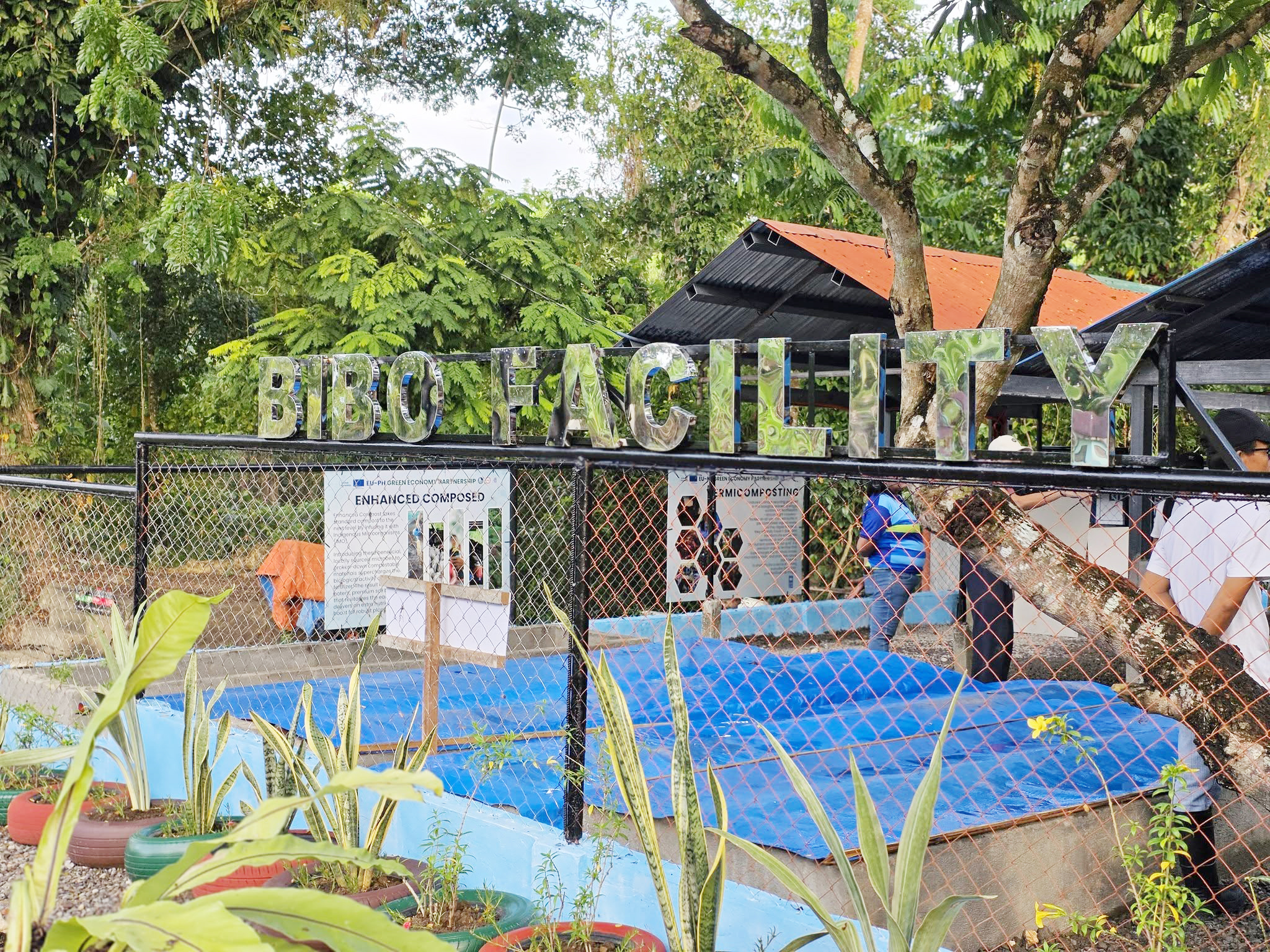
The Eco-Waste Center includes a 1.8-hectare sanitary landfill for residual waste, a central materials recovery facility (MRF), a composting facility, a septage treatment plant and a healthcare waste treatment facility.
The facility is part of Ormoc’s six-pillar solid waste management framework covering waste collection, segregation, resource recovery, processing and final disposal.
Mandatory household waste segregation and local regulations on single-use plastics are intended to divert recyclable and biodegradable materials to appropriate recovery facilities, while residual waste is transported to the sanitary landfill.
With the existing Landfill Cell 1 nearing capacity, the city is preparing for the development of Landfill Cell 2, including site development, drainage and access infrastructure.
The city also plans to expand its government-owned collection fleet and heavy equipment to improve waste transport, compaction, soil covering and landfill maintenance.
Centralized composting operations are likewise being expanded to handle more biodegradable waste collected from barangays and commercial establishments and to further reduce the volume of waste sent to the landfill.
The Eco-Waste Center also works with community-based social enterprises such as the Mas-Green Eco-Waste Pickers Association (MEPA), which recovers plastic and glass materials for the production of eco-bricks used in local infrastructure projects.
Meanwhile, city officials are drafting localized circular economy policies and studying the possible introduction of nighttime waste collection schedules to improve the transport of waste from urban barangays to the Green Valley facility.
The Department of Environment and Natural Resources (DENR) said sustained investments in waste diversion, resource recovery and proper residual waste disposal are essential to reducing the volume of waste brought to landfills and advancing sustainable solid waste management in local communities.
The initiatives form part of Ormoc’s continuing efforts to improve waste diversion and resource recovery while ensuring the safe and proper disposal of residual waste.
(ROEL T. AMAZONA)