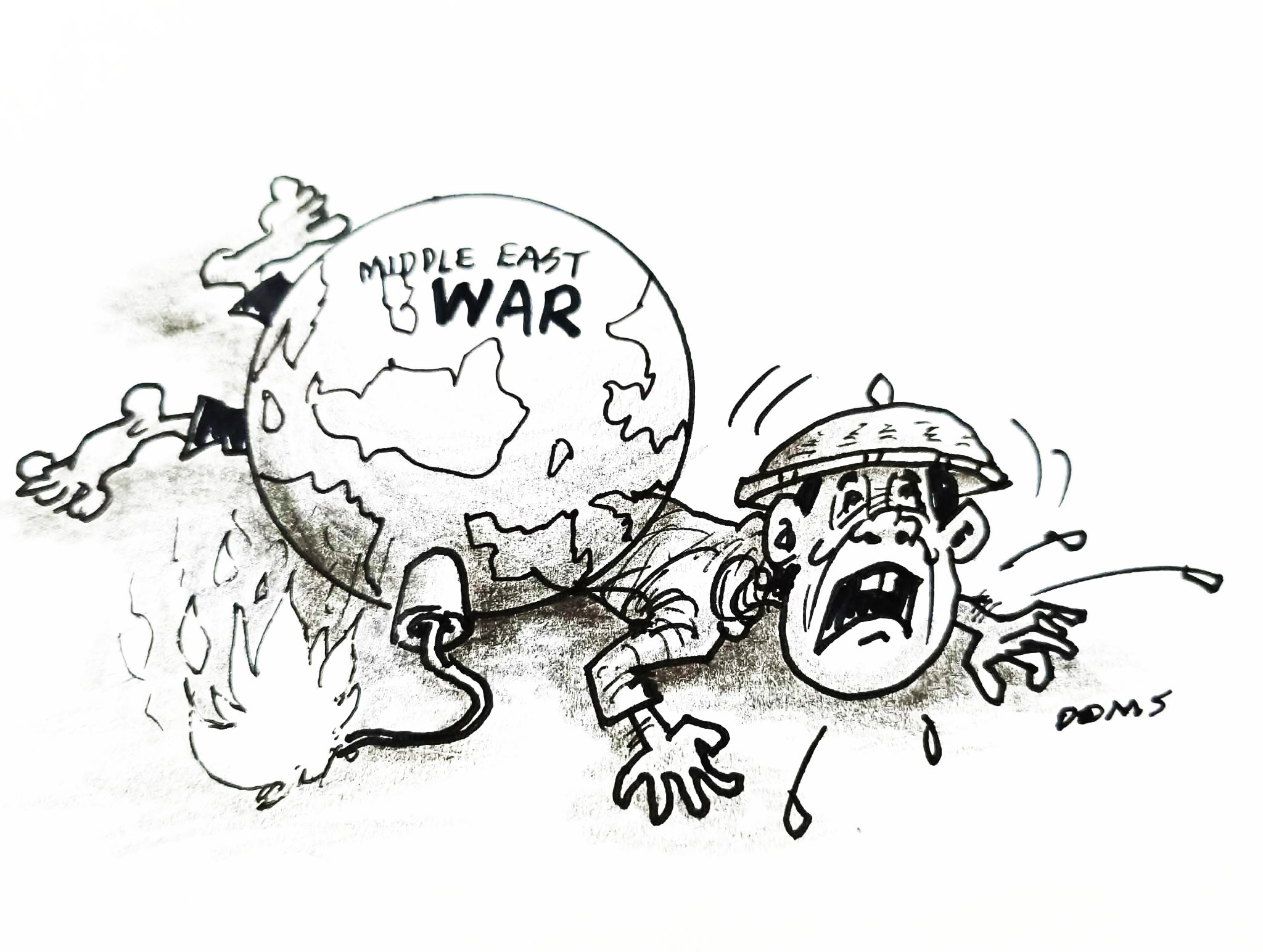
The ongoing conflict in the Middle East has become a convenient excuse for local oligarchs to impose unjustified price increases on fuel and basic commodities. This opportunistic behavior is not only exploitative but also morally indefensible, especially when existing stocks were acquired at lower costs.
What makes the situation particularly alarming is the deliberate distortion of market logic. Price adjustments are being justified as due to global instability, yet many of these goods—especially fuel reserves—were procured long before the latest surge in international prices. This isn’t a delayed market response; it is calculated profiteering. The burden is transferred immediately to consumers, while businesses secure inflated margins without corresponding increases in operational costs. Such actions expose a system in which profit is prioritized over fairness, and accountability is conveniently absent.
Equally disturbing is the government’s apparent paralysis. Regulatory agencies, which are expected to monitor and control excessive pricing, remain passive in the face of blatant abuse. The silence is not neutral; it emboldens those who exploit the situation. Whether due to political pressure, economic dependency, or sheer unwillingness, the failure to confront powerful business interests sends a dangerous message—that wealth can override regulation, and influence can silence oversight. In effect, the state abdicates its responsibility to protect the public.
The consequences are severe and far-reaching. Filipino families, already struggling with stagnant wages and rising living costs, are forced to absorb these artificial price shocks. Transportation fares climb, food prices follow, and essential services become less accessible. Unlike large corporations, ordinary citizens have no buffer against sudden economic strain. The result is a widening gap between those who profit from the crisis and those who suffer because of it. In a country where vulnerability is already widespread, this form of economic exploitation deepens hardship and fuels public resentment.
This situation demands decisive intervention. The government must assert its authority by enforcing stricter price monitoring, penalizing unjustified increases, and ensuring transparency in supply chains. Congress should revisit existing laws to close loopholes that allow such abuses to persist, instead of preoccupying itself with Sara’s impeachment. More importantly, there must be political will to confront oligarchic power, regardless of its influence. Without firm action, the cycle will repeat—crises will continue to be exploited, and the Filipino people will remain at the losing end of a system designed to benefit the few at the expense of the many.