Due to the El Niño phenom
TACLOBAN CITY — Eastern Visayas is already experiencing dry spell conditions brought by the El Niño phenomenon, raising concerns over possible impacts on agricultural production and prompting the Department of Science and Technology (DOST-8) to strengthen measures to help farmers cope with the changing weather conditions.
DOST-8 Regional Director Glenn Ocaña said agriculture is among the sectors most vulnerable to the effects of El Niño, particularly because many farmers in the region continue to depend on rainfall to provide water for their farms.
“This will have a major impact on us, especially on the agriculture sector because it is the most affected sector. That is why we have to prepare,” Ocaña said during the ‘Kapihan ha PIA’ media conference Thursday, Oct.1.
He said prolonged dry conditions could affect irrigation systems and eventually reduce farm production, particularly in areas where farmers rely mainly on rain to irrigate their fields.
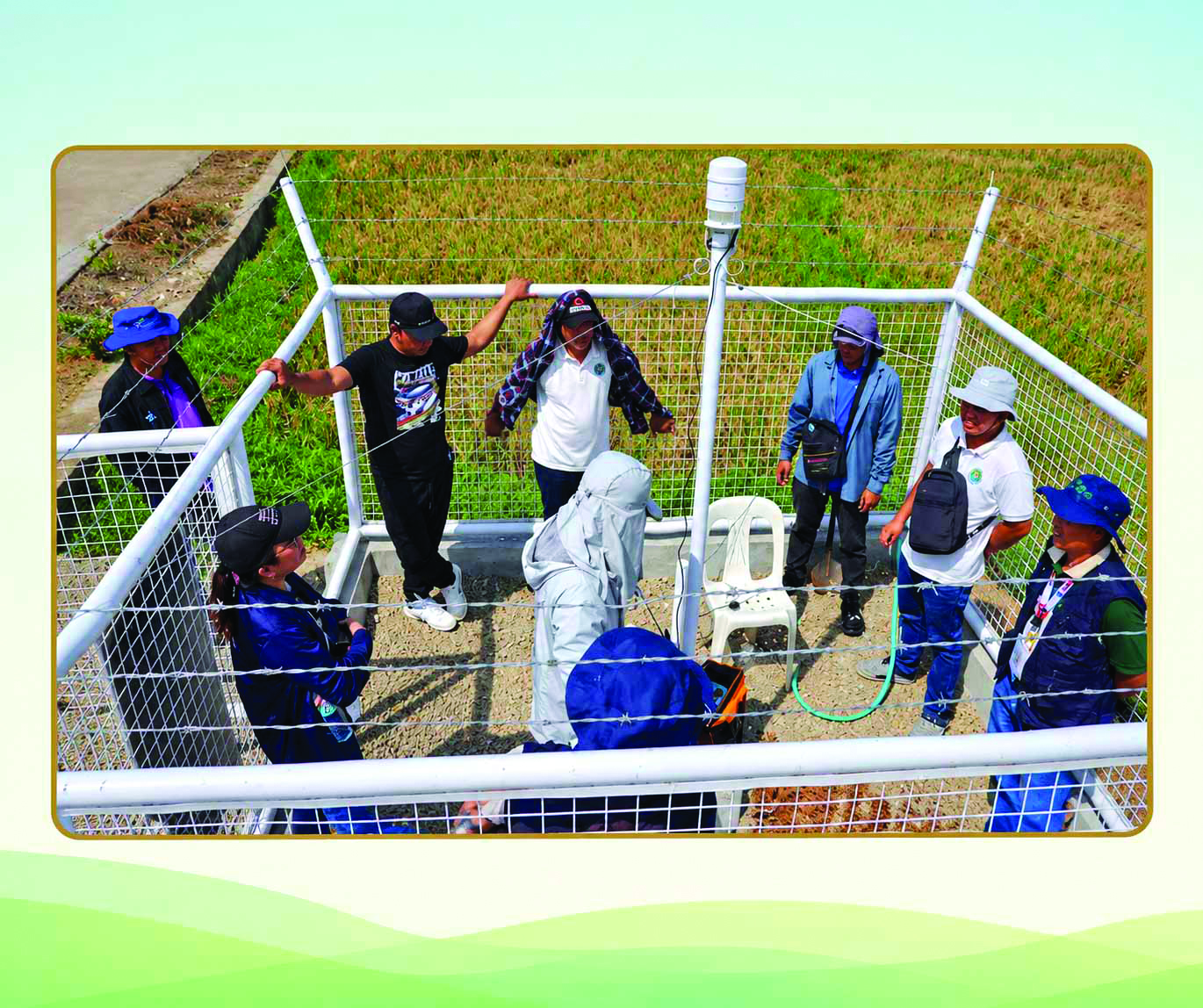
As part of its preparations, DOST-8 is rolling out automatic weather stations (AWS) in the region, including one installed on Sept. 30 in Barangay Lower Hiraan, one of the farming areas in Carigara, Leyte.
The installation was carried out under Project SARAI (Smarter Approaches to Reinvigorate Agriculture as an Industry), which seeks to bring science-based agricultural information closer to farming communities.
The AWS will provide localized, near-real-time weather and climate information that farmers and local officials can use in planning farm activities and responding to weather-related risks.
The data will support crop-specific advisories, including information on rainfall and other weather conditions that could affect planting, cultivation and harvesting.
Through the SARAI Knowledge Portal, farmers and other users can also access six-day weather forecasts and other agricultural information.
The portal also features a real-time agricultural monitoring system that uses satellite data to provide near-real-time information on agricultural areas.
The system can help farmers and local officials monitor crop conditions and identify possible effects of drought, flooding, vegetation stress and water-related problems.
The Philippine Atmospheric, Geophysical and Astronomical Services Administration (PAGASA) said a strong El Niño was present in the tropical Pacific as of Sept. 23 and could intensify into a very strong event between September and December 2026 and persist through the first half of 2027.
El Niño increases the likelihood of below-normal rainfall, which can result in dry spells and drought in some areas.
PAGASA’s agricultural assessment showed that Central and Eastern Visayas experienced significantly drier-than-normal conditions in August, with dry conditions persisting since May.
The agency warned that rain-fed rice and corn are particularly vulnerable to moisture stress. Prolonged dry conditions could delay crop development and reduce yields without appropriate interventions.
The effects of El Niño may also extend beyond agriculture.
Reduced rainfall can put pressure on water supplies, while lower agricultural production could affect food availability, farm incomes and businesses dependent on agriculture.
The energy sector may also be affected as prolonged drought can reduce water availability for hydropower generation. Higher temperatures can likewise increase electricity demand as households and businesses use more cooling equipment.
Public health is another concern, as hotter conditions can increase the risk of heat-related illnesses such as dehydration, heat exhaustion and heat stroke. Reduced water availability may also create additional sanitation and health concerns.
Despite the generally drier conditions, PAGASA has cautioned that localized heavy rainfall may still occur, particularly when tropical cyclones or the southwest monsoon, locally known as habagat, affect the country.
Ocaña urged farmers to regularly monitor advisories from PAGASA, an attached agency of DOST, and use the information in deciding when to plant, what crops to grow and when to carry out other farm activities.
He said access to localized weather information would allow farmers and local governments to make better-informed decisions as the region prepares for the continuing effects of El Niño.
JOEY A. GABIETA