
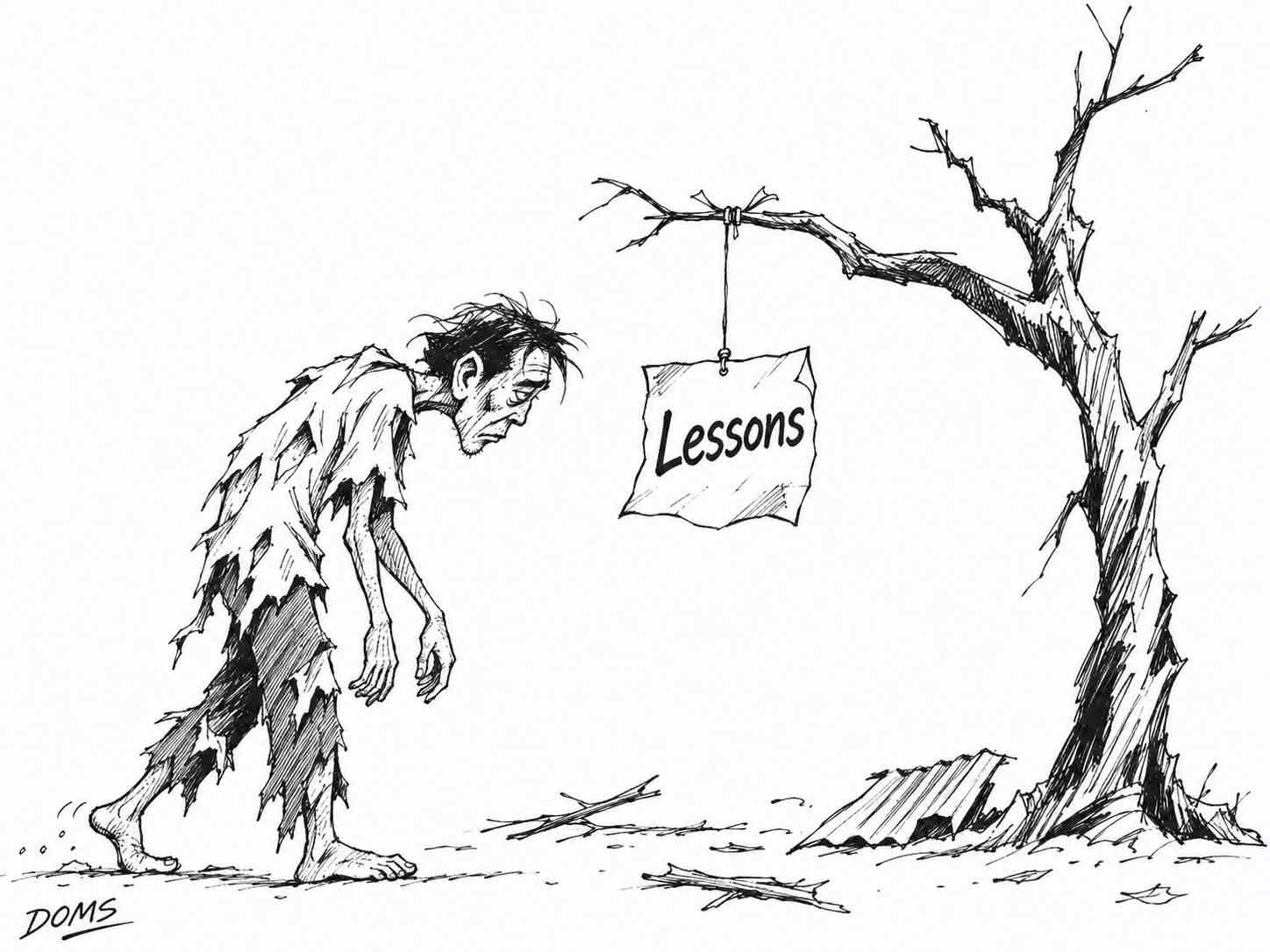
Tacloban and Eastern Visayas must continue to commemorate the onslaught of Super Typhoon Yolanda, internationally known as Haiyan. The annual observance is a public duty. Reducing it to a ceremony without applying the lessons learned would be a leadership failure.
On November 8, 2013, Yolanda’s storm surge swept through coastal communities, leaving families to search for missing relatives and bury their dead. Tacloban’s memorials give bereaved families a place to grieve and younger residents a place to learn what happened in their own city. Schools and local historians should preserve survivors’ accounts, with their consent, alongside photographs and records. The people who lived through Yolanda should have a say in how their communities remember it.
The anniversary should also test whether a warning can move people to safety in time. A storm surge advisory is useful only if residents understand which streets and homes can flood, where they should go, and how soon they must leave. Coastal barangays should explain the danger in Waray or the language residents use at home, walk evacuation routes with families, and arrange transport for people who cannot reach shelter on their own. A drill should show who still needs help and who is responsible for getting it.
The commemoration must also prompt a review of decisions made long before a storm approaches. A relocation site may put families beyond the reach of a storm surge, but unreliable water service, costly transport, or distance from work and school can make it hard to stay. Local governments should hear directly from relocated households and check whether evacuation centers have working toilets, safe water, and enough space. Those are matters of public spending, and residents deserve to know which deficiencies have been corrected and which still await funding.
Every November 8, Tacloban and other local governments in Eastern Visayas should publish a short preparedness report that residents can check against conditions in their own barangays. It should name the shelters ready for use, the repairs still pending, and the offices responsible for meeting each deadline. Families have kept the memory of those who died. Public officials must answer for the work that can keep more families from suffering the same loss.