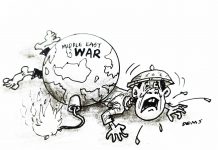
Mas maupay diri la anay kita magbaligya, para humataas na an presyo, darudako an ganansya! (Alleged whispers from the Gas dealer to his pump attendant.)
When gasoline dealers deliberately hold back their supply and wait for prices to rise before selling, the result is an artificial scarcity that punishes ordinary consumers. In Eastern Visayas, where fuel is the lifeblood of transport, agriculture, and even disaster response, this practice is more than just profiteering—it is a direct assault on the daily survival of communities. Jeepney drivers, tricycle operators, and fishermen are forced to pay more for every liter, which in turn raises fares and the cost of food. Farmers who rely on fuel for irrigation pumps and machinery see their already thin margins shrink further. And in a region that is no stranger to typhoons, hoarding fuel during times of crisis can delay relief operations, leaving vulnerable families stranded without aid.
The law is clear: hoarding and profiteering are illegal under the Philippine Price Act. Yet enforcement remains a challenge, especially in far-flung provinces like us, where monitoring is less consistent.
The Department of Energy has repeatedly warned against premature price hikes, but reports of stations charging well above official schedules show how tempting it is for some dealers to exploit volatility in the global oil market. In Eastern Visayas, where incomes are lower than in Metro Manila, the impact of such practices is magnified. Every peso added to the price of fuel ripples through the economy, making basic goods more expensive and deepening inequality.
This is not just an economic issue. this is a moral issue. When the Gas Dealers deliberately hoard their supply and create artificial scarcity, undeniably, the result is price increase of goods and this is a symptom of bad economy, bad governance.
We must do something about this!