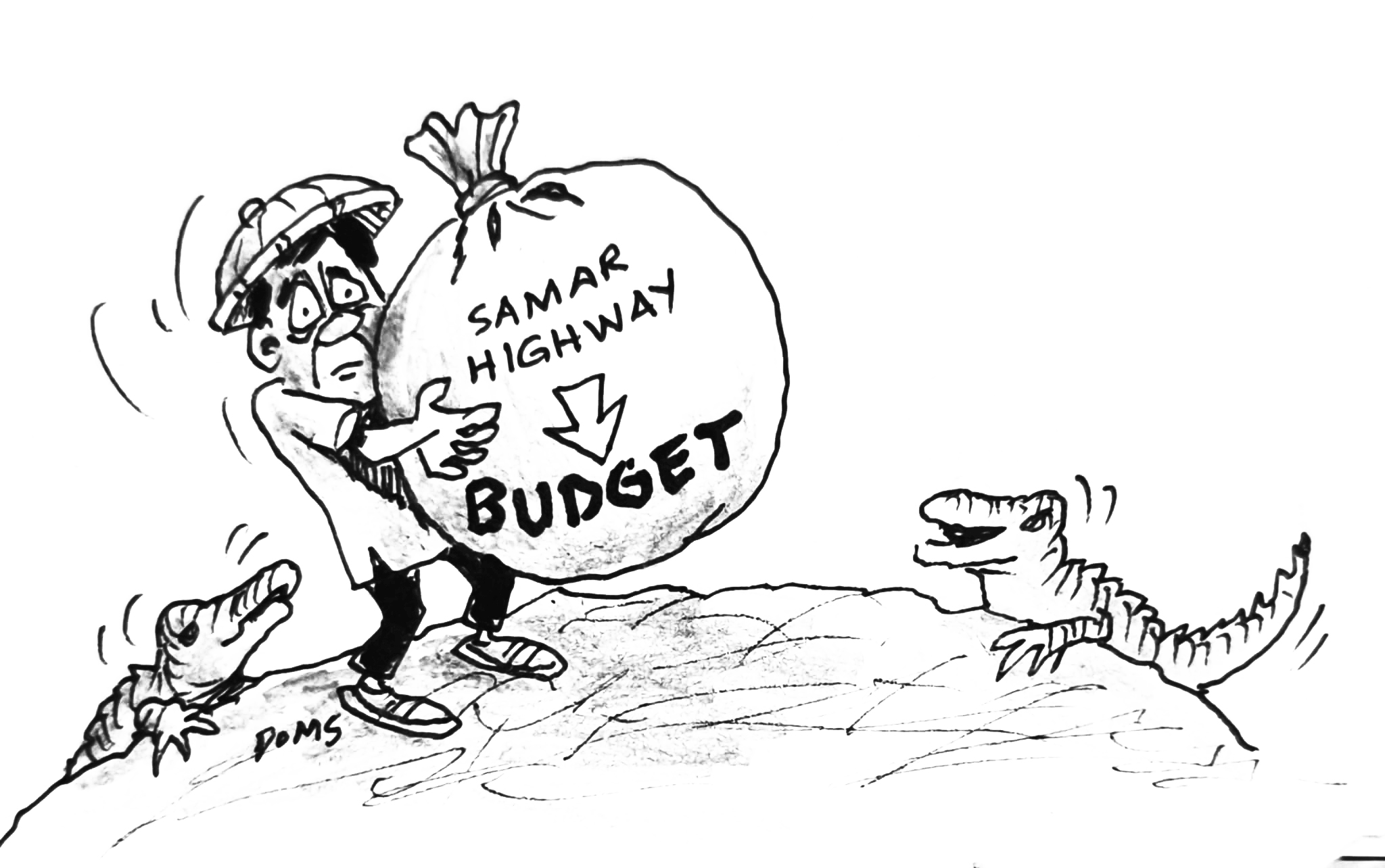
Reports that the Samar Highway—long regarded as the worst in the country—has been given the largest repair allocation for 2026 under DPWH control have sparked guarded hope and firm scrutiny. Such a massive budget must finally deliver real improvements, not repeat years of neglect and failure.
For decades, the Samar Highway has symbolized government indifference to the daily suffering of ordinary citizens. Motorists endure damaged vehicles, longer travel times, and higher costs, while commuters face discomfort and danger on a road that should have been the backbone of regional mobility. The scale of the new allocation implicitly acknowledges the severity of the neglect, and it raises expectations that this time, repairs will be comprehensive, durable, and visible on the ground.
Yet history warns against blind optimism. Large infrastructure budgets have often attracted corruption, padded contracts, substandard materials, and ghost accomplishments, leaving roads barely improved despite billions spent. Without strict supervision, transparent procurement, and measurable outputs, even the largest allocation can vanish into private pockets, mocked by potholes that reappear after the first heavy rain.
The Department of Public Works and Highways must therefore be held to a higher standard. Clear project timelines, publicly accessible progress reports, and independent technical audits should accompany every phase of the rehabilitation. Local governments, civil society groups, transport organizations, and ordinary road users all have a role in watching how funds are spent and in reporting delays, shortcuts, or irregularities without fear or favor.
The most effective response now is sustained vigilance. Strong oversight, public transparency, and swift accountability for any misuse of funds are the only ways to ensure that this allocation translates into safer travel, lower transport costs, and restored confidence in public works. If properly handled, the Samar Highway can finally serve the people it was meant to serve and prove that public money can still be used for public good.