(ROEL T. AMAZONA)
Compounded by bridge restrictions
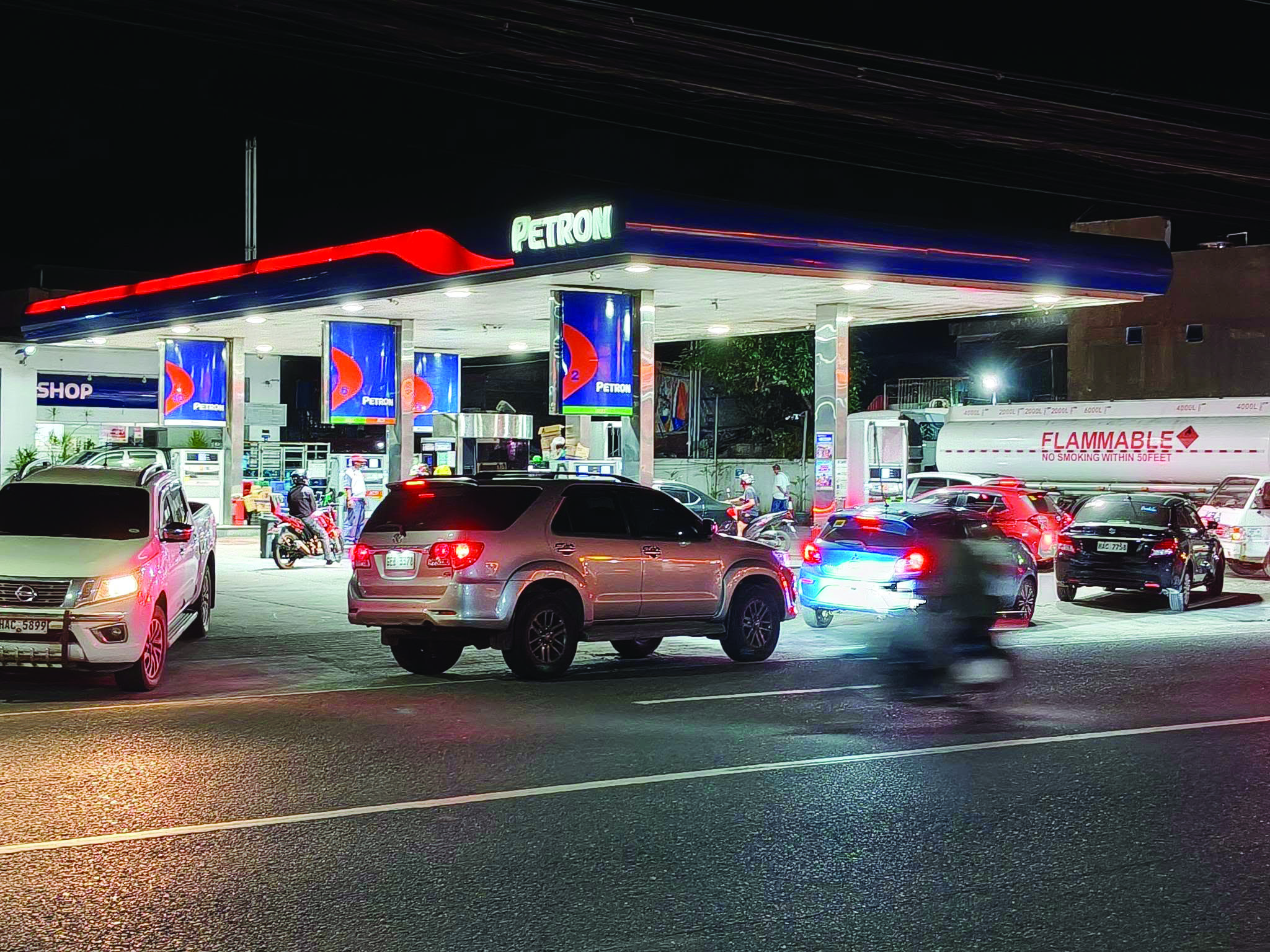
TACLOBAN CITY — Eastern Samar is grappling with a growing fuel crisis as delivery disruptions and rising pump prices threaten essential services across the province.
Several gasoline stations have run out of stock, while others have hiked prices sharply, prompting provincial officials to call for immediate action to secure supply and protect residents.
During the first quarter meeting of the Provincial Development Council (PDC) on March 16, Governor Ralph Vincent ‘RV’ Evardone reported that nine fuel stations in the province have already exhausted their supply, while 57 others raised their prices due to tighter deliveries.
“We cannot afford for our frontline services to stop,” Evardone said, stressing the need to ensure uninterrupted operations for government offices, emergency responders, and other critical services.
The crisis has been worsened by logistical constraints. A bridge in Barangay Coticot, Giporlos, is now under a five-ton weight restriction imposed by the Department of Public Works and Highways on March 11 after structural damage was detected from overloading.
The restriction prevents fuel tankers from reaching several municipalities, creating a major bottleneck for deliveries.
Eastern Samar relies heavily on fuel transported by land from Tacloban City, making the bridge limitation a critical hurdle. Prices in some areas have surged to between ₱80 and ₱100 per liter, up sharply from the previous average of around ₱60 per liter.
Evardone urged local government units (LGUs) to maintain sufficient fuel reserves to ensure uninterrupted operations of essential services. He also called on national agencies to monitor fuel prices and prevent hoarding or unjustified price hikes.
Representatives from the Armed Forces of the Philippines clarified that military operations are covered by their own fuel depots, but the Philippine Coast Guard still depends on commercial stations.
Evardone noted that the country currently maintains an estimated 33-day fuel reserve if national demand remains stable, based on discussions at Malacañang.
Local governments are taking contingency measures to mitigate the impact.
In Borongan City, Mayor Jose Ivan Dayan Agda partnered with a local fuel station to prioritize government operations and ensure frontline services continue without interruption.
Provincial authorities said they will continue coordinating with national agencies and LGUs to monitor the fuel situation and implement measures that cushion the effects on residents and essential services.
This situation highlights the vulnerability of Eastern Samar’s supply chain and the need for infrastructure improvements to prevent similar crises in the future.
JOEY A. GABIETA