TACLOBAN CITY — In a move to strengthen farm productivity, climate resilience, and rural livelihoods, farmers in Barangay Calaguise, Leyte, Leyte have received key agricultural interventions from the Department of Agriculture–Regional Field Office 8 (DA-RFO 8) under the High Value Crops Development Program (HVCDP).
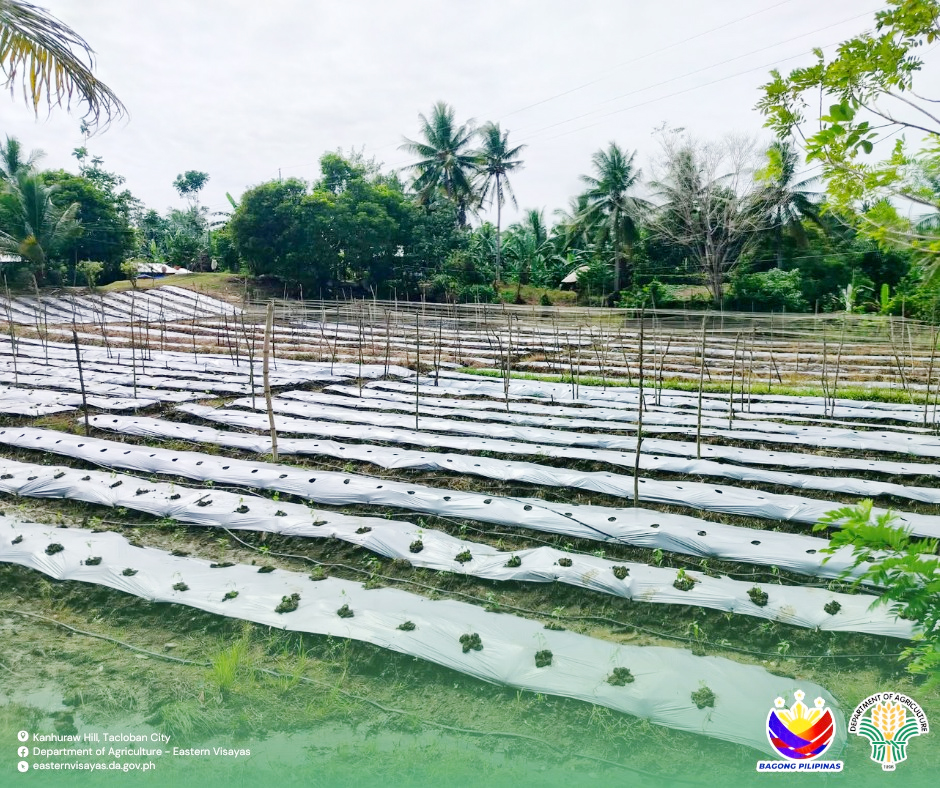
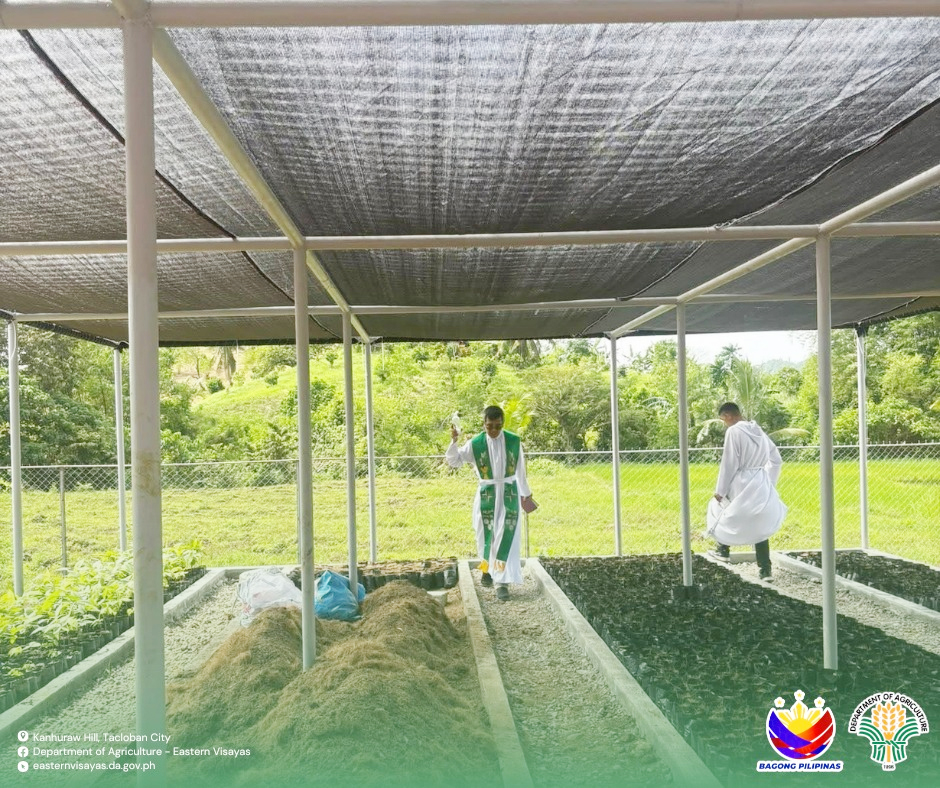
The assistance, formally turned over to the Calaguise Agriculture Cooperative, included a Solar Drip Irrigation System and a Cacao Nursery, projects aimed at promoting sustainable farming practices while expanding the production of high-value crops in the area.
The turnover was facilitated through the joint efforts of DA-RFO 8, its attached agencies, the Municipal Agriculture Office of Leyte, and other partner stakeholders, underscoring the government’s push for integrated agricultural development at the community level.
DA officials said the Solar Drip Irrigation System is designed to provide an efficient, cost-effective, and climate-resilient solution to water supply challenges, particularly during prolonged dry spells. By optimizing water use, the system is expected to enhance crop yields, reduce production costs, and improve overall farm efficiency.
Meanwhile, the Cacao Nursery is intended to produce high-quality planting materials to support the expansion of cacao farming in Barangay Calaguise and nearby communities. The initiative aims to create additional income opportunities for farmers while contributing to the growth of the region’s cacao industry, which is being promoted as a high-value and export-potential crop.
In a statement, the Calaguise Agriculture Cooperative said the projects were implemented in response to the pressing needs of local farmers, particularly the need for reliable irrigation, diversified crops, and modern farming technologies.
“These interventions will serve as a foundation for agricultural development, strengthening the capacity of beneficiaries and improving the livelihoods of farmers and livestock raisers,” the group said in Filipino.
The cooperative added that the initiatives demonstrate the collective commitment of the government and the agricultural sector toward building a more productive, resilient, and sustainable rural economy.
Aside from the irrigation and cacao projects, the farmers’ group also received post-harvest facilities from the Philippine Center for Postharvest Development and Mechanization (PhilMech) and benefited from the Swine Industry Recovery Project of the Agricultural Training Institute (ATI), further enhancing farm productivity and income diversification.
DA officials said these combined interventions are expected to significantly boost food production, increase household incomes, and strengthen the community’s capacity to adapt to climate and market challenges.
(ROEL T. AMAZONA)