TACLOBAN CITY — Cacao leaves that would normally be discarded are being transformed into potential livelihood products as local artisans and processors in Calbiga, Samar, learn techniques for fossilizing the leaves for use in sustainable packaging and handicrafts.
The Calbiga local government unit, with the support of Mayor Red Nacario and Vice Mayor Eva Castillo, conducted a three-day skills training on sustainable chocolate packaging and product diversification using fossilized cacao leaves from Aug. 24 to 26.
Participants from the Macaalan Cacao Processors Agrarian Reform Cooperative and the Calbiga Pahoy Basket Weavers took part in hands-on activities on the preparation and fossilization of cacao leaves.
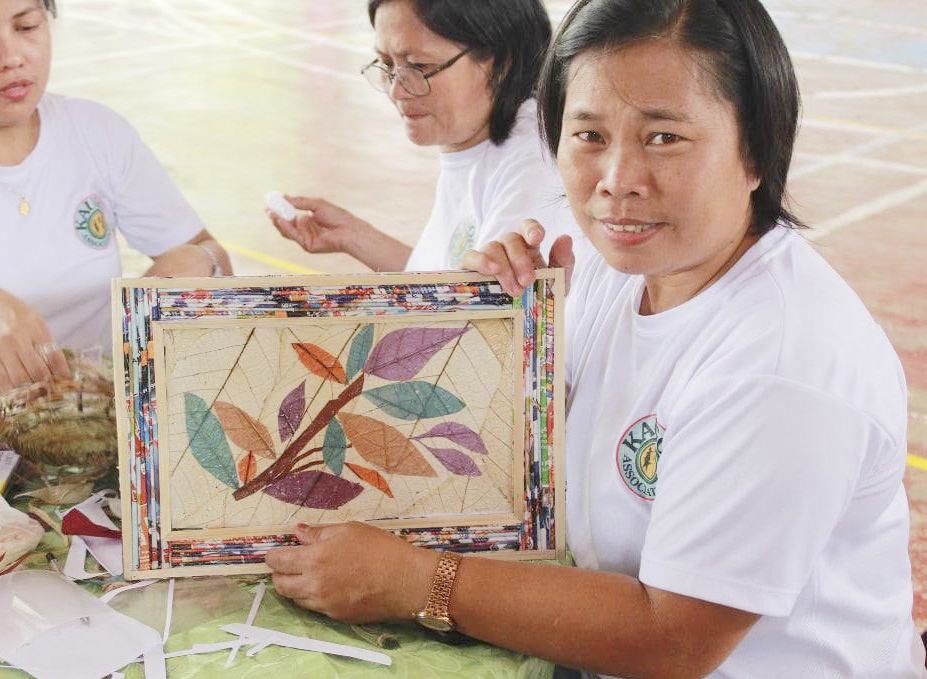
The training covered leaf selection and preparation, the fossilization process, and the subsequent dyeing, coloring and sorting of the processed material.
Participants also learned how fossilized cacao leaves can be developed into chocolate packaging, bags, boxes, home décor and lampshades.
The material may also be incorporated into traditional nito baskets made by local artisans, opening opportunities to combine agricultural waste with existing indigenous crafts.
The initiative aims to add value to cacao production by turning discarded leaves into usable and potentially marketable materials while promoting the sustainable use of locally available resources.
It also seeks to encourage product diversification and create additional livelihood opportunities for community-based organizations in Calbiga.
The training forms part of the local government’s continuing efforts to strengthen community enterprises by developing products from indigenous and agricultural materials and equipping residents with skills that can support livelihood and entrepreneurship.
(ROEL T. AMAZONA)