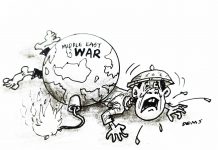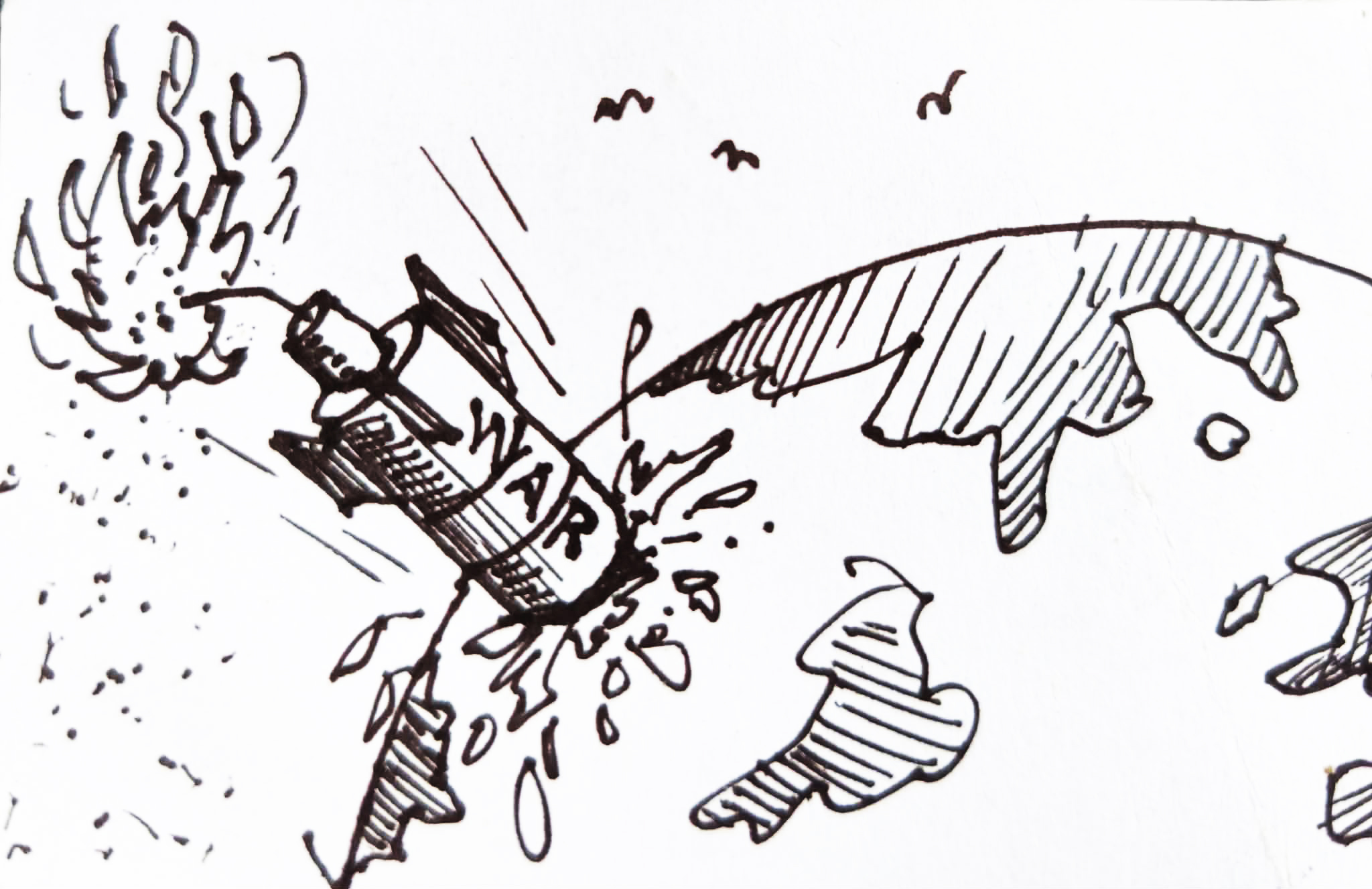
As of this writing, the war in the Middle East is escalating, and its effects will not remain confined to that region. The country must brace for the economic shocks that such a conflict inevitably sends across the world. Complacency now would be costly.
Armed conflict in the Middle East almost always drives up oil prices, and the Philippines is particularly vulnerable because it imports most of its petroleum. When the price of crude oil surges, transport fares climb, electricity costs increase, and the movement of goods becomes more expensive. The impact quickly spreads through the entire economy. Food producers pay more for fuel, traders pass on higher costs, and ordinary households begin to feel the pressure in even the most basic daily transactions.
The rise in fuel prices rarely stops with gasoline and diesel. It gradually pushes up the cost of rice, canned goods, cooking oil, and other kitchen staples that families rely on every day. Delivery expenses rise, refrigeration costs increase, and manufacturers adjust prices to survive the rising cost of operations. In such moments, it is the poor and the lower middle class who feel the sharpest blow, because a large portion of their income is already spent on food and daily survival.
Practical preparation, therefore, becomes necessary. Households must begin securing a reasonable supply of essential goods such as rice, basic cooking ingredients, laundry supplies, potable water, and other daily necessities. This does not mean panic buying or hoarding that deprives others, but it does require sober planning. Families that prepare modest reserves are better able to withstand sudden price increases and temporary disruptions in supply.
The country has endured similar economic tremors before, and the lesson has always been the same: readiness reduces hardship. Households, communities, and local markets must act with discipline and foresight rather than wait for shortages and higher prices to force desperate decisions. Preparing early is not alarmism; it is simple prudence in the face of a conflict whose economic consequences are already beginning to unfold.