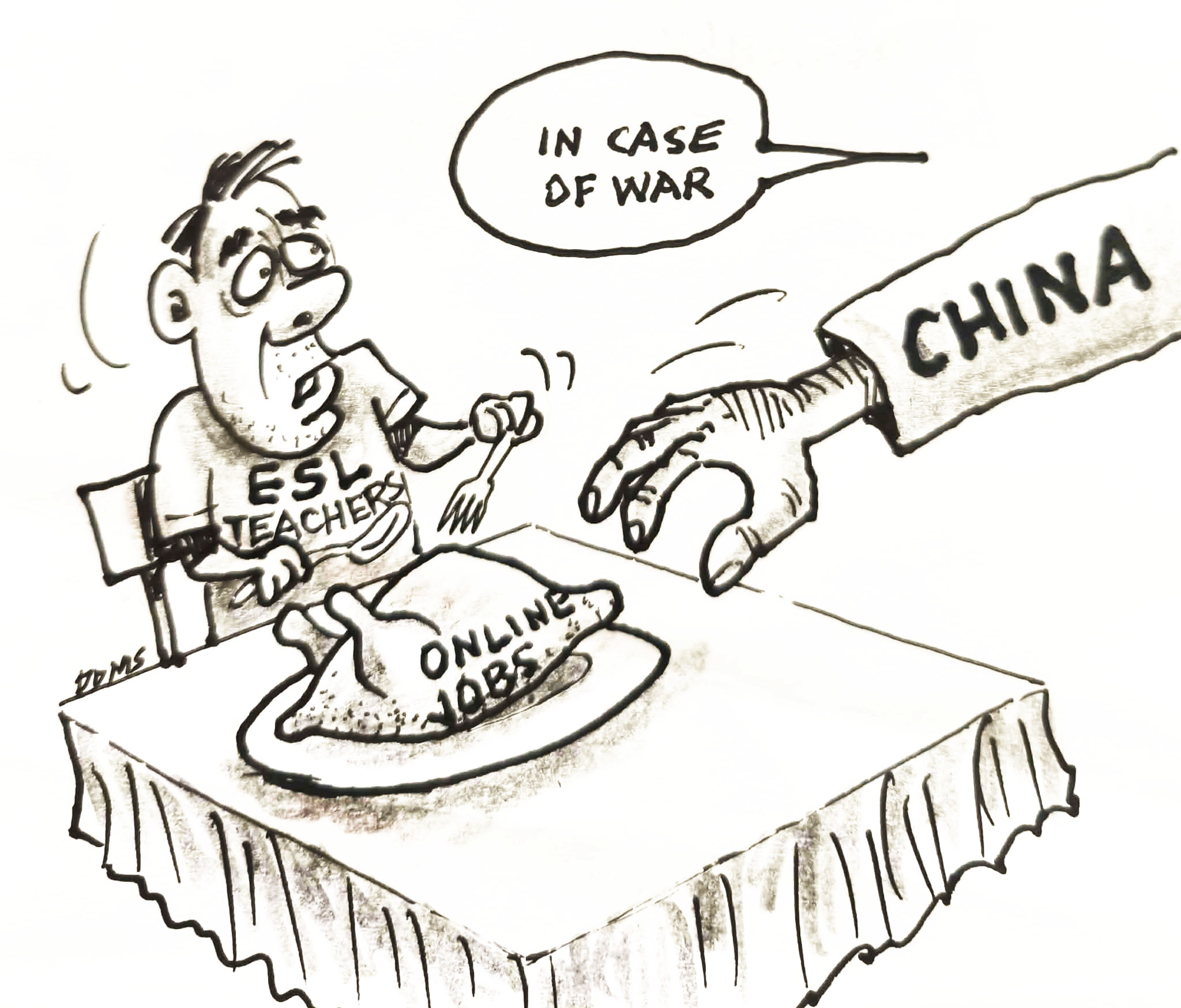
The increasing levels of tension between China and the West Philippine Sea have created an issue that many have not considered: the online teachers of the Philippines, whose livelihoods depend on Chinese students. If a military clash were to happen between China and the Philippines, these teachers would suddenly lose their jobs. This is something that needs serious consideration, lest events taking place on the world stage suddenly spill over into the homes of Filipinos.
Online teaching has been a haven for thousands of graduates of the Philippines’ education programs, many of whom have not found stable employment in their fields. Thanks to online platforms, these teachers have found students abroad, with Chinese students among their largest markets. For many of these teachers, their sessions go late into the night, with their earnings barely enough to feed their families and pay their bills. This is not a matter of luxury, but one of necessity, brought about by the unemployment and underemployment of many teachers in the country.
However, geopolitical conflict has a way of affecting even the most mundane of professions. If conflict were to escalate, the Chinese government could choose to bar its citizens from hiring Filipino teachers as a form of political reprisal. This is not unprecedented, as many governments have chosen to impose restrictions on communication, business, and other activities during such times. If this were to happen, Filipino online teachers would undoubtedly be among the first groups to bear the economic brunt of such a decision, despite having no say in the matter.
This is especially true, given the precarious employment status of educators in the country. There is a dearth of teaching positions available, and many of those that do exist offer low salaries. Online teaching was a gap that the system had failed to fill, and taking this option away without providing alternatives would place thousands of highly trained individuals back into unemployment, further burdening families that depend on their salaries.
National leaders must face this possibility with urgency and foresight. Cautious diplomacy remains important for preventing conflict, but contingency measures for affected workers must also be in place. Increasing local teaching posts, enhancing employment opportunities for educators, and broadening global markets for online instruction can help protect Filipino educators from unexpected geopolitical developments. The country cannot ignore the workers’ livelihoods at stake while the situation in the West Philippine Sea remains volatile.