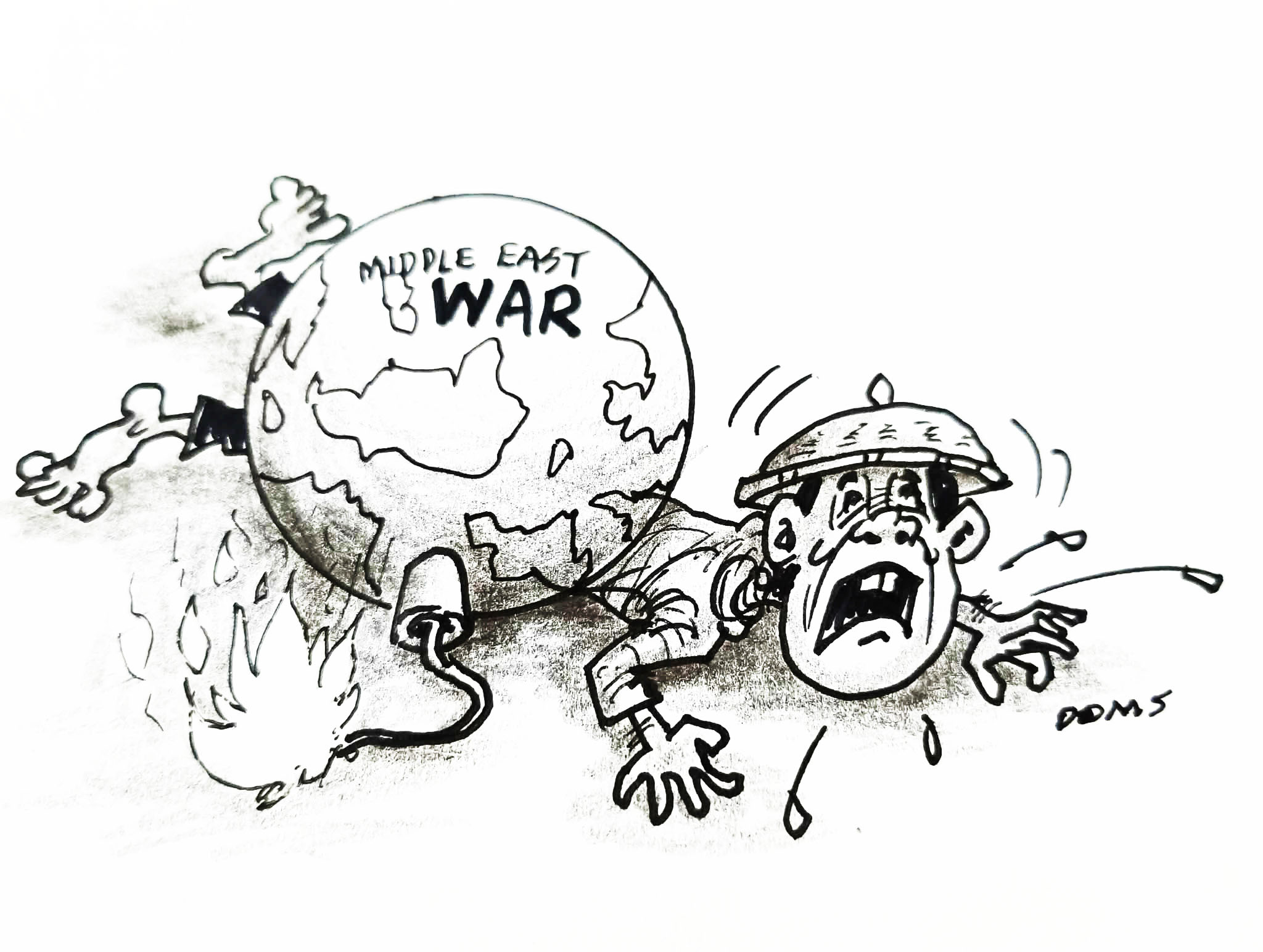
The idea of an extended conflict in the Middle East, despite claims of a ceasefire, should not be viewed as a blessing but rather as a warning.
The so-called ceasefire is not very promising, as it is based on conditions neither side is willing to meet. Any agreement based on conditions that cannot be met is unlikely to last, as its very foundation already weakens it. History has shown us that any agreement based on conditions that cannot be met ends very quickly. When both parties are not budging from mutually exclusive positions, any ceasefire is merely a temporary pause in a conflict that is bound to continue anyway.
The economic impact is already being felt and will worsen if this conflict continues. Increasing oil prices are felt not just at the gas pump but throughout the economy. Transportation costs are rising, and these increases are reflected in the prices of goods and services. Prices for goods are rising, which is reflected in overall pressure on the average consumer. However, wages are not increasing in proportion to the pressure on the average consumer.
Such an imbalance reflects a more fundamental weakness in any given economy: its reliance on forces outside its immediate control. When global events drive prices in a region, it speaks to the very fragility of any given economic system. While governments that do not properly forecast these events leave their citizens in a dangerous position, those that wait too long to act actually invite rampant inflation. The longer this conflict continues, the more deeply any given economic system will feel its effects, even after it ends.
What is called for in this instance is bold and forward-thinking action. Rather than merely observing these events and hoping for the best, governments must take steps to ensure their citizens are protected against rising costs. At the same time, they must recognize that this conflict will not end anytime soon. To achieve stability in uncertain times, they must confront these events directly.