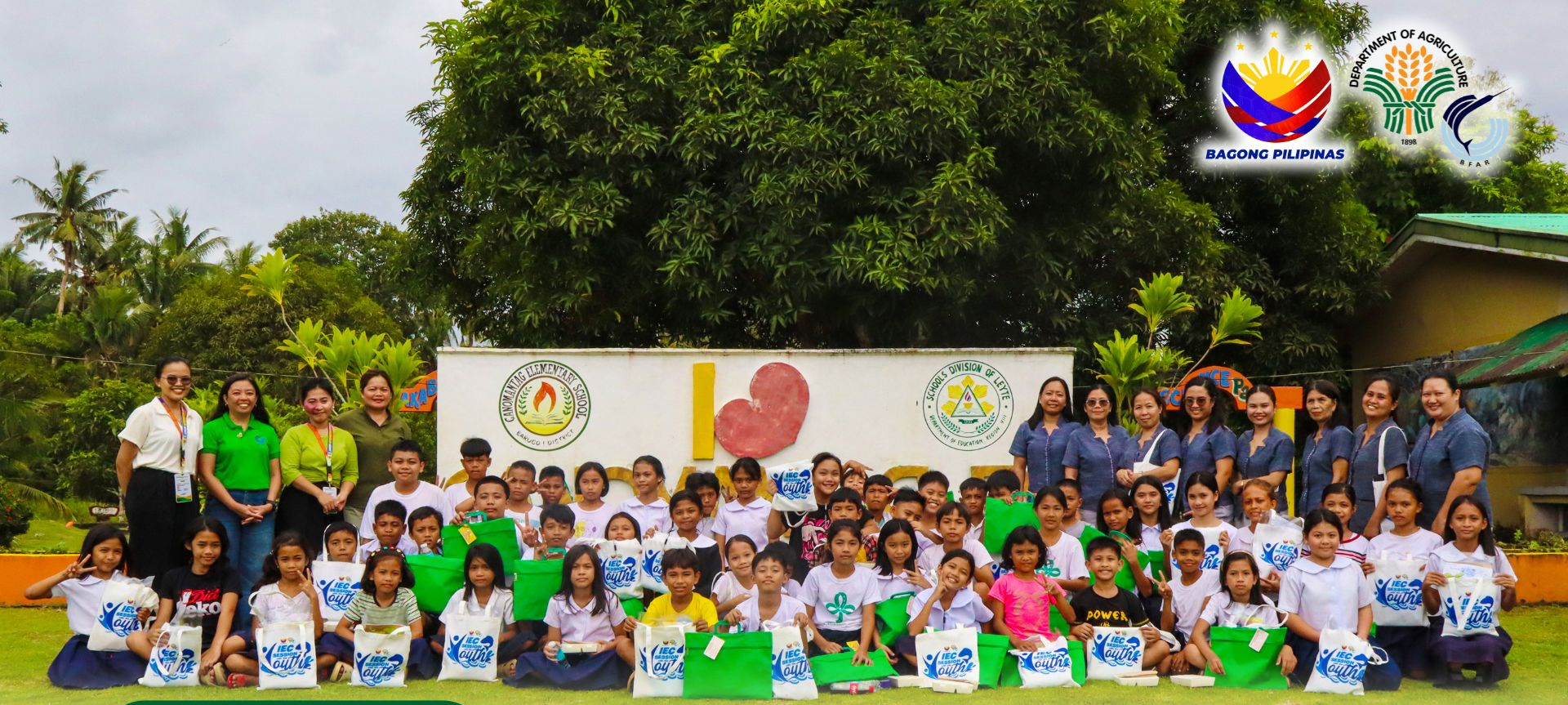
TACLOBAN CITY — Elementary pupils in Barugo, Leyte are being mobilized as early advocates of marine conservation following an information drive led by the Bureau of Fisheries and Aquatic Resources (BFAR) in Eastern Visayas.
Held on March 10 at Canomantag Elementary School, the activity gathered Grades 4 to 6 students for an Information, Education, and Communication (IEC) session focusing on sustainable fisheries management, coastal habitat protection, and the Fisheries Management Area (FMA) system.
To make learning more engaging, students joined interactive discussions and games, including the “fish game,” which simulated fishing practices and demonstrated the effects of responsible fishing and the risks of overfishing.
BFAR-8 personnel also introduced common fish species and highlighted conservation efforts for ‘tamban’, a priority species under Fisheries Management Area 7, which includes Barugo and nearby coastal communities.
Municipal Agriculturist Engr. Ariel Gam encouraged the pupils to take an active role in protecting vital marine ecosystems such as mangroves, seagrass beds, and coral reefs. The students expressed enthusiasm and willingness to help safeguard the environment.
Provincial Fisheries Officer Loreginia Briones emphasized the importance of instilling environmental awareness at a young age, noting that even small actions can lead to long-term benefits for marine conservation.
Teachers welcomed the initiative, saying it enhanced students’ understanding of responsible fishing and environmental stewardship.
The activity is part of BFAR-8’s ongoing campaign across Eastern Visayas this year to strengthen youth awareness and participation in coastal resource management, positioning them as future champions of fisheries conservation in their communities.
(ROEL T. AMAZONA)