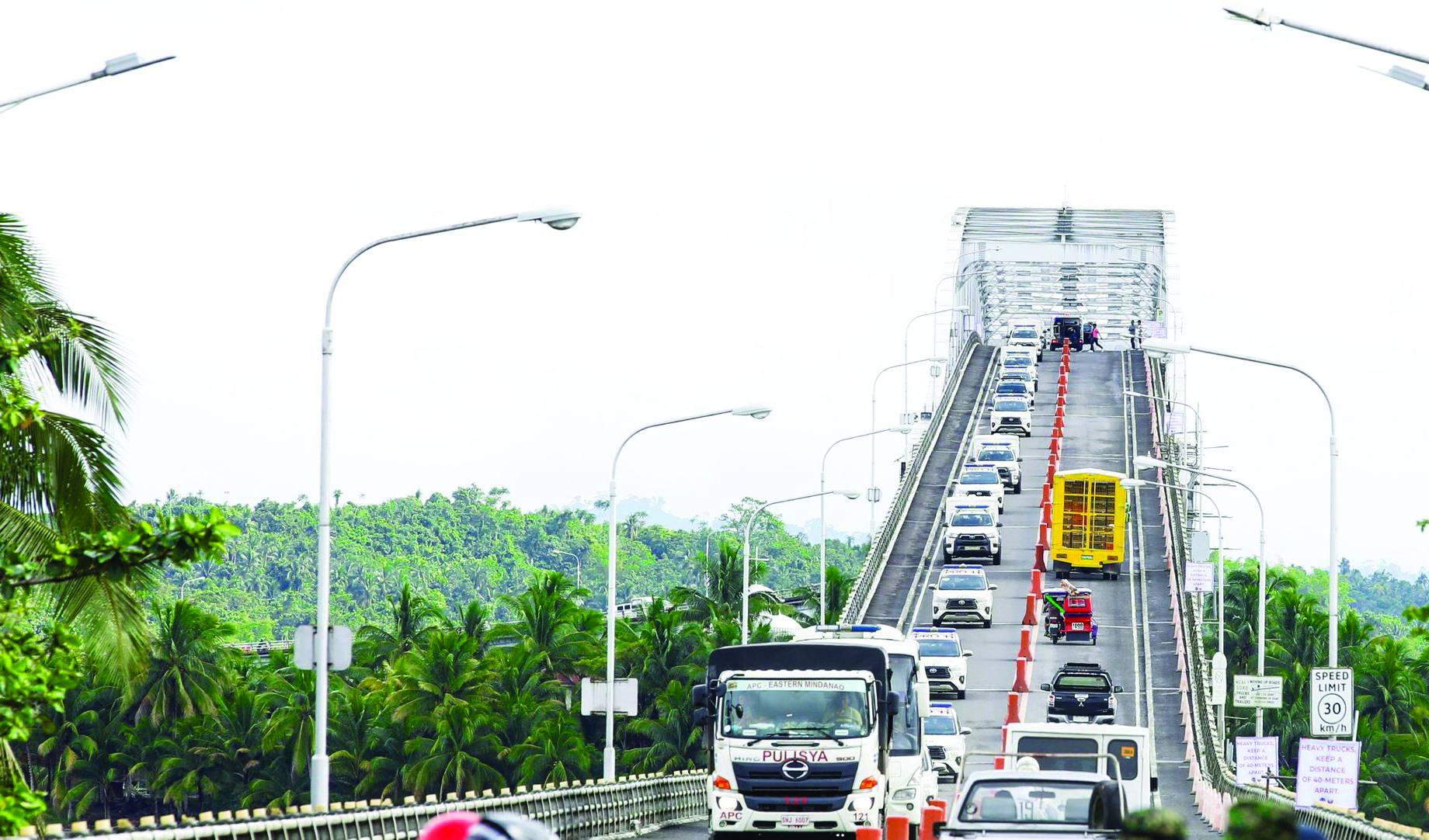
The reopening of the San Juanico Bridge to heavier vehicles is welcome news that deserves sober recognition rather than celebration. It corrects a damaging disruption and affirms the bridge’s central role in regional mobility and economic survival.
This restored load capacity revives the uninterrupted movement of goods between Leyte and Samar. Traders, farmers, and manufacturers can again transport bulk products without costly detours, delays, or forced downsizing of shipments. This directly lowers logistics costs, stabilizes supply chains, and prevents price increases that ultimately burden consumers.
Businesses that depend on steady traffic flow along the bridge corridor regain lost income opportunities. Fuel stations, eateries, transport operators, wholesalers, and small roadside enterprises benefit from the return of cargo trucks and commercial vehicles. Employment that was reduced or suspended during restrictions can now recover, easing pressure on households already strained by rising living costs.
Public services and essential operations regain efficiency. Heavier vehicles used for construction, disaster response, health logistics, and infrastructure maintenance can now cross without legal or mechanical risk. This improves emergency response time, supports public works, and ensures that transport limitations do not cripple government services.
The task from now on is to protect this regained functionality through strict maintenance, transparent inspections, and disciplined enforcement of load regulations. Long-term monitoring, timely repairs, and accountable management will ensure that the bridge remains safe, reliable, and able to sustain the economic life that depends on it.