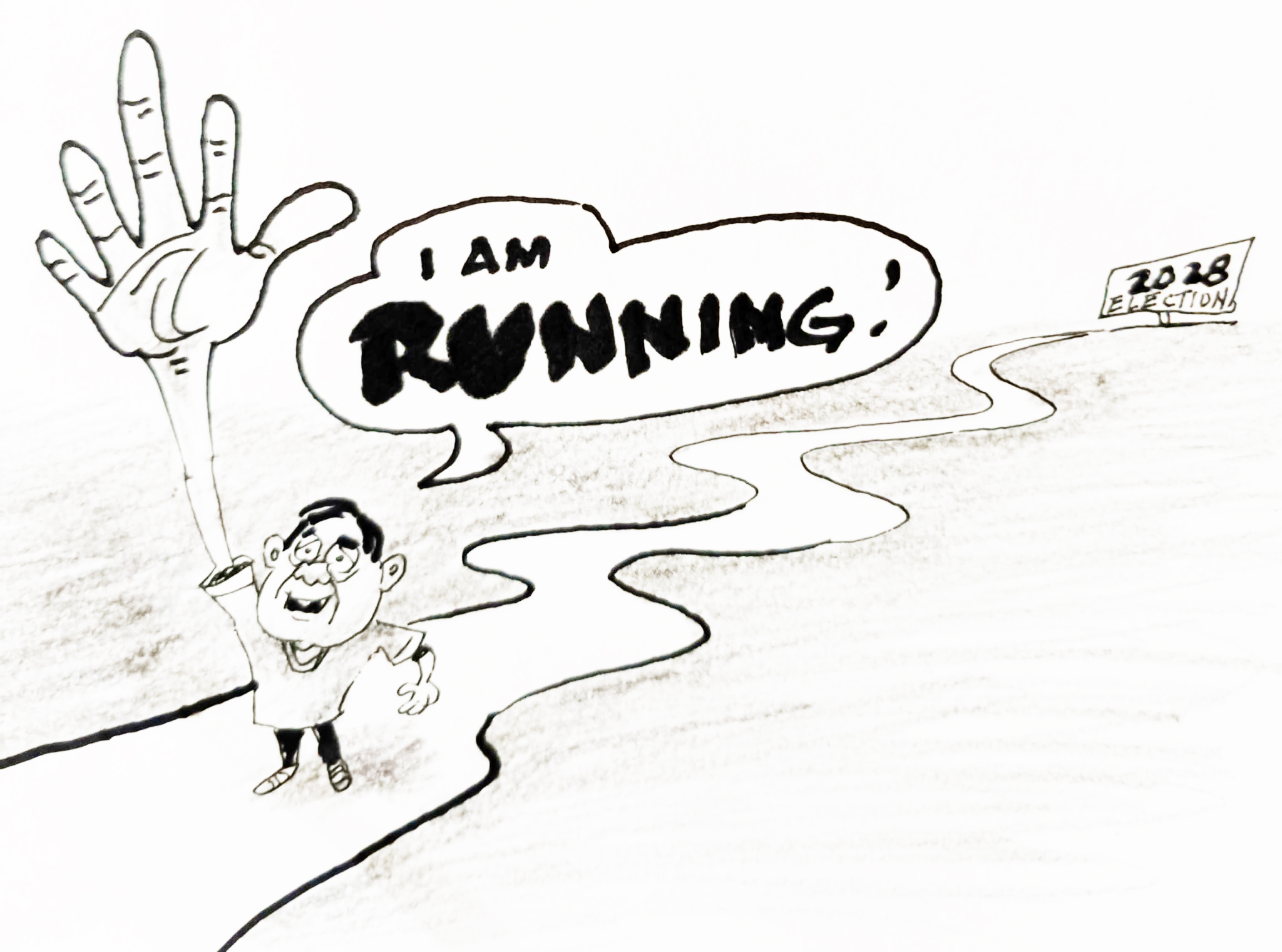
The early declarations and endorsements of aspiring national leaders signal an active political season well ahead of the official campaign period. This openness is acceptable in a democratic setting, but it must never become a shortcut to power through fraud, deceit, and abuse.
Public expressions of intent to run for the presidency or other high offices are not, by themselves, a problem. They allow voters to scrutinize aspirants early, assess their records, and measure the strength of their platforms. In theory, early visibility should widen public debate and sharpen political choices. Yet this same early start often becomes a testing ground for illicit machinery—money, influence, and covert networks—long before election laws are strictly enforced.
The country’s political history offers little comfort on this matter. Elections have repeatedly been marred by vote-buying, manufactured consent, padded voter lists, and manipulation at various stages of the process. Early endorsements by powerful blocs, when coupled with unchecked resources, can create a false sense of inevitability around certain names. These conditions lead voters to accept outcomes not because of merit or mandate, but because of money-driven momentum and manufactured popularity.
Such practices do not merely taint individual races; they weaken democratic discipline. When deceit becomes routine, public participation turns hollow and cynicism deepens. Citizens begin to expect cheating as a fact of life, while candidates learn that winning clean is optional. This environment rewards those who bend rules early and often, and sidelines those who rely on competence, integrity, and genuine public support.
The answer lies in sustained vigilance, not seasonal outrage. Election authorities must enforce rules from the moment political activity begins, not only during the campaign window. Civil society, schools, churches, media, and local communities must keep watch, educate voters, and call out abuses without fear or favor. Democracy survives not because ambitions are announced early, but because the people refuse to let power be taken through dishonest means.