
TACLOBAN CITY — The Tingog party-list is urging Congress to fast-track the proposed Philippine Open Finance Act, saying the measure could significantly expand financial access for millions of Filipinos, especially those in the education sector.
In a press statement, the party-list group expressed strong backing for the bill being advanced in coordination with the Bangko Sentral ng Pilipinas (BSP) and financial technology stakeholders. The proposed law seeks to make financial services more accessible, transparent, and responsive to the needs of students, educators, and school personnel nationwide.
Tingog emphasized that open finance is not merely a banking reform but a structural initiative aimed at addressing long-standing inequities that affect educational mobility and institutional resilience.
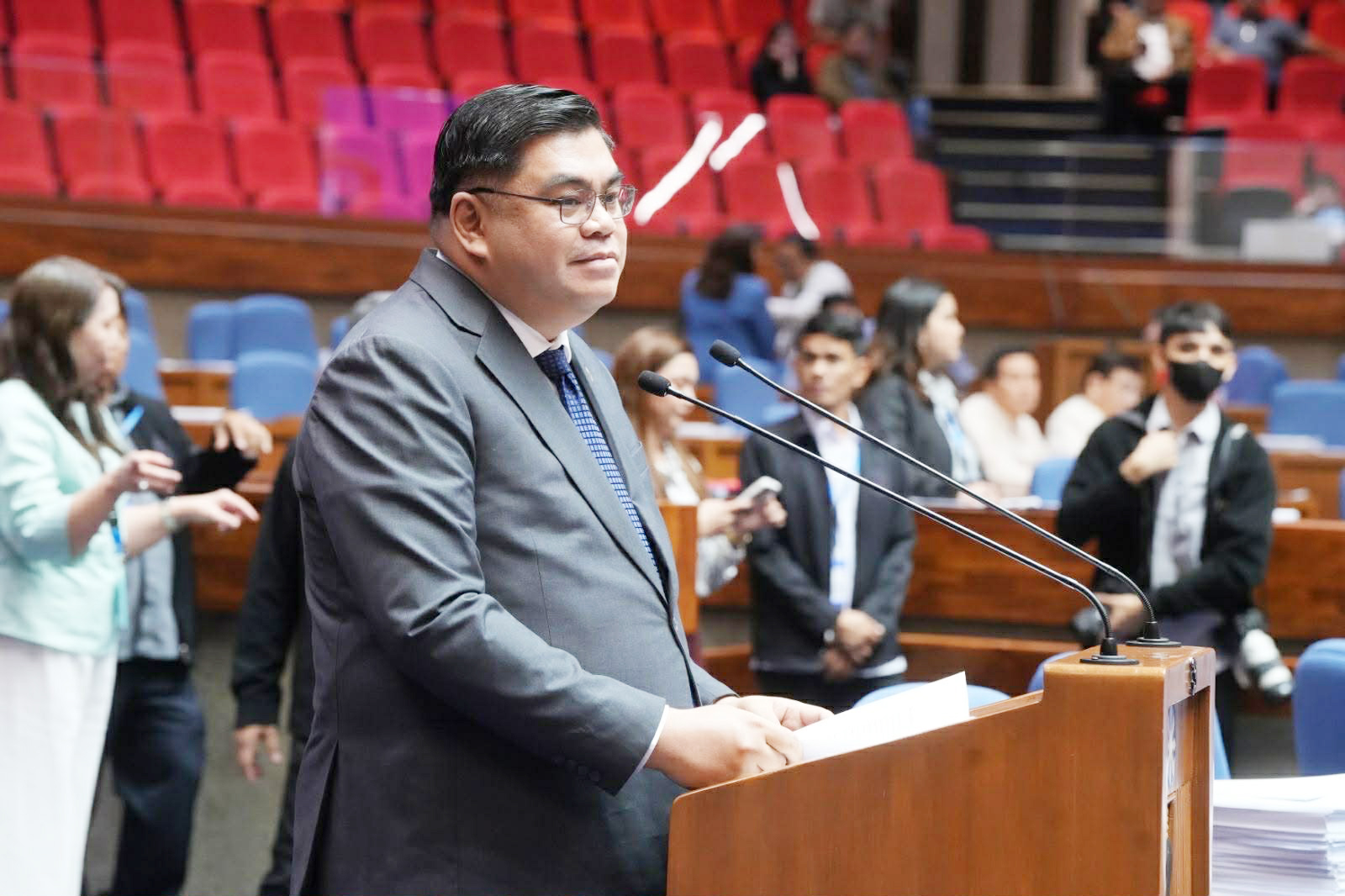
Rep. Jude Acidre, chairperson of the House Committee on Higher and Technical Education, said improved access to financial tools directly supports academic and professional advancement.
“Financial inclusion is educational inclusion. When students, teachers, and university personnel gain fair access to credit, savings, insurance, and digital financial platforms, we remove structural barriers that limit their ability to pursue education, research, innovation, and professional advancement,” he said.
The proposed measure would establish a secure and interoperable framework allowing consent-based sharing of financial data through standardized application programming interfaces (APIs). The system aims to foster competition among financial service providers while ensuring data privacy and consumer protection.
The BSP has underscored that open finance can promote customer-centric services and innovation, while fintech leaders have called for a clear statutory framework to enable responsible data sharing and the development of tailored financial products.
According to Tingog, the higher education community stands to benefit significantly from the reform. Students may gain access to education loans, digital wallets, micro-savings, and insurance products even without traditional banking history. Faculty and researchers could secure fair credit and financial tools to support academic work, while non-teaching personnel may build credit profiles and obtain affordable services. State universities and colleges could also implement more efficient systems for scholarships, stipends, and payroll distribution.
The group said the proposal includes safeguards aligned with constitutional protections and existing data privacy regulations, ensuring that consumer consent and control remain central to its implementation.
Describing the measure as “a law of opportunity and equality,” Acidre noted that many members of the academic community remain unbanked not due to lack of capability but because of limited access to the formal financial system.
(LIZBETH ANN A. ABELLA)