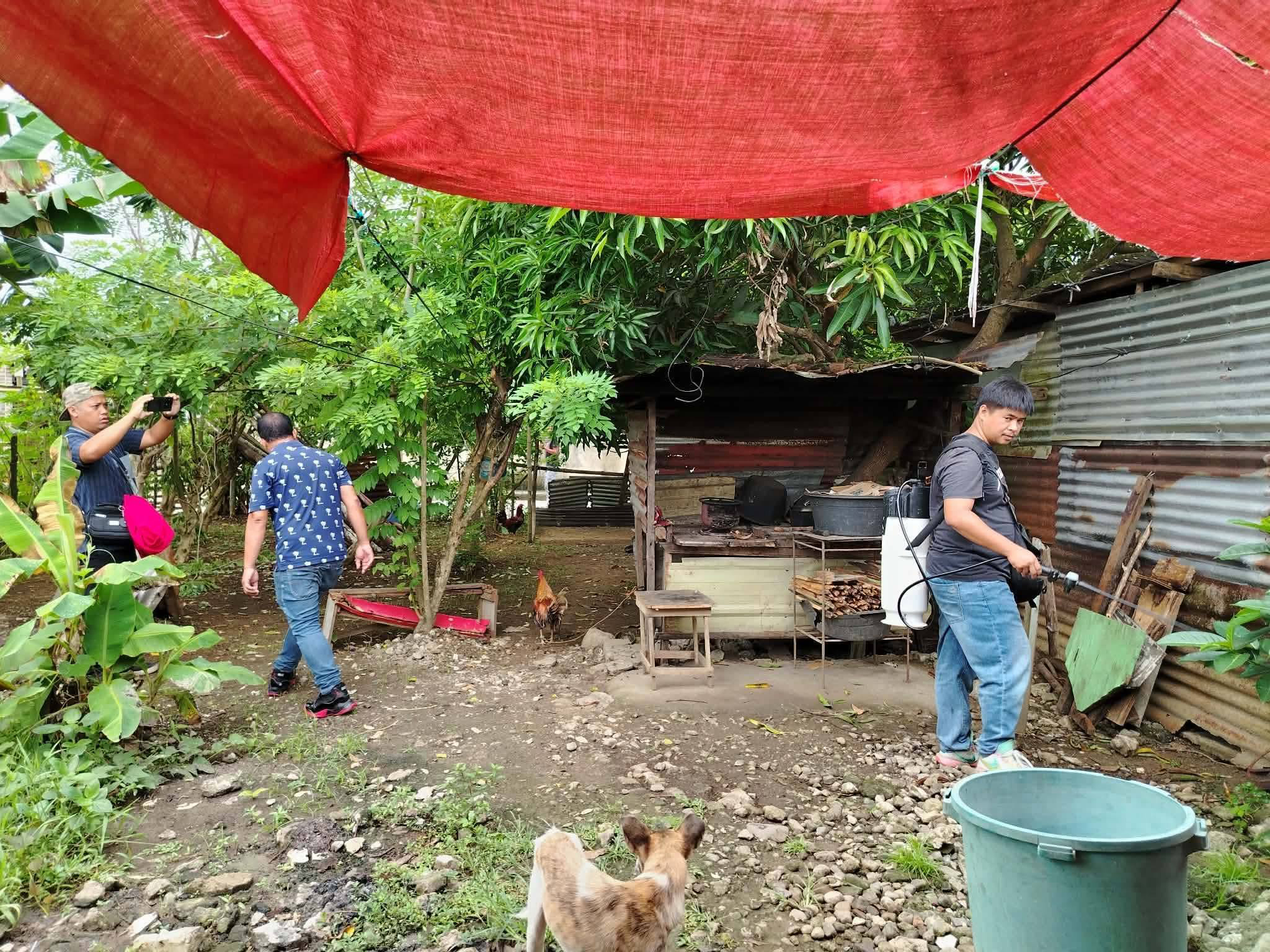
(Tacloban City Health Office)
TACLOBAN CITY — The Tacloban City Health Office has intensified its dengue surveillance and prevention measures after the city recorded 272 cases as of last week, representing about 31 percent case from the previous year of the same period, or about 187 cases.
City Health Officer Dr. Jaime Opinion Jr. said the increase prompted the city to raise a code blue alert as health authorities strengthen monitoring and response measures against the mosquito-borne disease.
A code blue alert in public health indicates the need for a heightened response to a developing health threat, including closer disease surveillance, intensified prevention and control measures, and greater preparedness among health facilities and response teams.
Opinion said the City Disaster Risk Reduction and Management Office (CDRRMO) will continue fogging operations in barangays where clusters of dengue cases have been detected.
Dengue is a viral infection transmitted primarily through the bite of infected Aedes aegypti and Aedes albopictus mosquitoes.
These mosquitoes commonly breed in containers and other areas where stagnant water is collected, including discarded cans, tires, uncovered water containers and other household items.
Common symptoms include high fever, severe headache, pain behind the eyes, muscle and joint pain, nausea, vomiting and skin rashes. Symptoms usually begin several days after infection and may last for several days.
Health authorities warn that dengue can become severe, particularly when warning signs appear after the fever begins to subside.
These may include severe abdominal pain, persistent vomiting, bleeding from the gums or nose, vomiting blood, blood in the stool, extreme weakness or unusual restlessness. Patients showing these signs should seek immediate medical care.
The City Health Office urged residents to prevent mosquito breeding by regularly checking and cleaning areas around their homes and communities where water can accumulate.
Residents were also advised to wear long-sleeved clothing, use mosquito repellents, install screens or nets when possible, and seek medical attention immediately when dengue symptoms develop.
Health officials stressed that community participation remains essential in controlling dengue, as eliminating mosquito breeding sites can help reduce the number of mosquitoes capable of transmitting the virus.
(JOEY A. GABIETA)