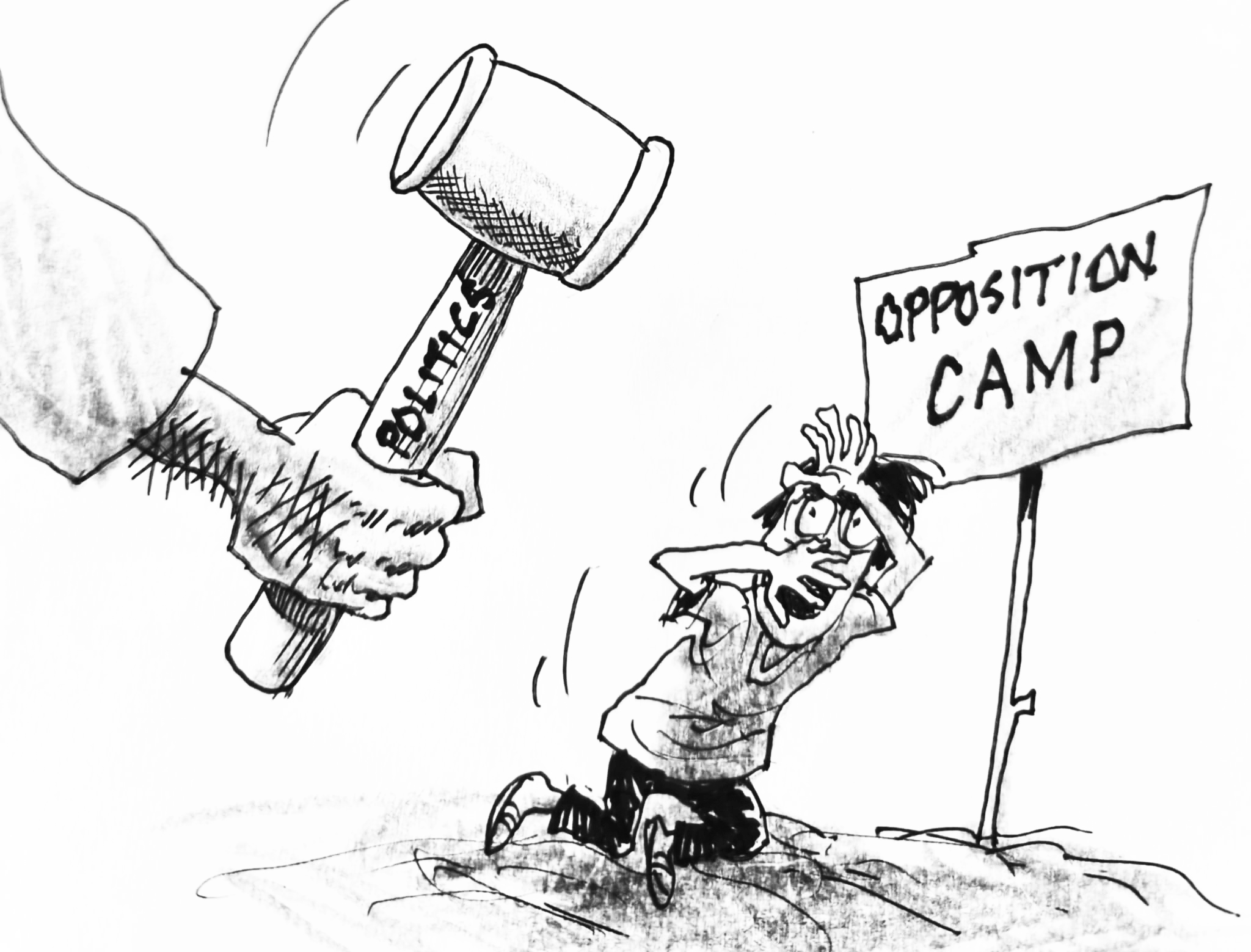
The country is currently facing a clear case of selective justice, where laws are turned into weapons against political rivals while allies who have plundered not just millions but multi-billion up to trillion pesos escape scrutiny. This is a rotten exercise of power and judgment, undermining the rule of law and outrageously provoking the watchful citizens.
Government prosecutors move at lightning speed against figures like former President Rodrigo Duterte and his allies, filing cases on drug war killings and other charges with relentless urgency. Yet probes into their allies, particularly those tied to corruption in infrastructure deals or the misuse of public funds, drag on with uncertainty or may even vanish entirely. This double standard exposes a calculated manhunt, not impartial enforcement.
Such tactics breed public cynicism, as citizens watch the powerful evade accountability for the same offenses they condemn in enemies. When the Ombudsman delays action on complaints against administration officials implicated in ghost projects, trust in institutions crumbles further. History shows this pattern: past regimes, from Arroyo to Aquino, used similar selective probes to hobble opponents, turning justice into a political cudgel that poisons democracy.
The damage extends to governance itself, paralyzing policy and national progress. Officials prioritize self-preservation over service, fearing rivals might wield the law against them tomorrow. Rival factions waste resources on endless legal battles instead of tackling poverty or security threats, leaving ordinary Filipinos to bear the cost of a fractured system. This is politics and corruption at their worst.
Why not mandate independent oversight through a non-partisan commission with fixed timelines for all cases, regardless of political ties? Empower courts with the resources they need, and let them act swiftly on credible complaints against any official. We, the people, demand transparency in prosecutorial decisions to ensure equal application of the law.