ICC. The Department of Public Works and Highways reported the start of a feasibility study on the proposed International Convention Center in Tacloban City. Photo shows the perspective design of the proposed ICC.(DPWH-8)
ICC. The Department of Public Works and Highways reported the start of a feasibility study on the proposed International Convention Center in Tacloban City. Photo shows the perspective design of the proposed ICC.(DPWH-8)
TACLOBAN CITY — The Department of Public Works and Highways (DPWH) in the region has announced that the feasibility study for the proposed International Convention Center (ICC) in Tacloban City will begin this year, following the recent awarding of the contract.
Engr. Edgardo Tabacon, DPWH regional director, confirmed that funding for the study has already been allocated under the 2024 General Appropriations Act (GAA).
The contract was awarded to a qualified bidder earlier this month, marking the official start of the project’s preliminary phase.
“The ICC, once realized, will serve as a world-class venue for hosting regional, national, and international events,” said Tabacon. “It represents a major opportunity for Tacloban City, which is poised to become a more future-ready and economically vibrant hub.”
The feasibility study, scheduled to be completed in 100 calendar days, will assess the project’s viability and lay the groundwork for its eventual implementation.
The ICC is planned to be constructed on the site of the former Leyte Park Hotel, which overlooks Cancabato Bay.
The proposed center, which is said to have a sitting capacity of 7,000, aims to provide a spacious environment that encourages social interaction, collaboration, and the exchange of ideas.
With the vision of becoming a catalyst for significant events, the ICC will offer a state-of-the-art venue for conferences, exhibitions, and cultural activities.
In line with the region’s climate, the project’s architectural design will incorporate resilient features, including aerodynamic forms to enhance natural airflow.
This aligns with the goal of ensuring that the structure can withstand the environmental conditions typical of Eastern Visayas.
The development of the ICC is expected to boost the economic growth of Region VIII, with Tacloban City positioned as a key player in both national and international arenas.
ORMOC CITY– A one-year-old girl sustained minor burns after a fire engulfed their home in Barangay Talisayan, Albuera, Leyte, on Sunday afternoon, September 15.
According to the police, the fire started around 1:00 pm while the child’s mother, identified as Jessa Cabintoy, was washing clothes nearby.
The child had been left in the care of her great-aunt, who was outside eating lunch when a neighbor alerted them that the house was on fire.
Upon hearing the alarm, the house occupants rushed inside to find the infant crying in the bedroom, having already suffered minor burns on her face and foot. Fortunately, they were able to rescue the child before the fire spread further.
The fire was brought under control by 1:30 pm and was fully extinguished 30 minutes later. The estimated damage caused by the fire is around P100,000.
The child was immediately taken to Gatchalian Hospital in Ormoc City for medical treatment.
Authorities are still investigating the cause of the fire.
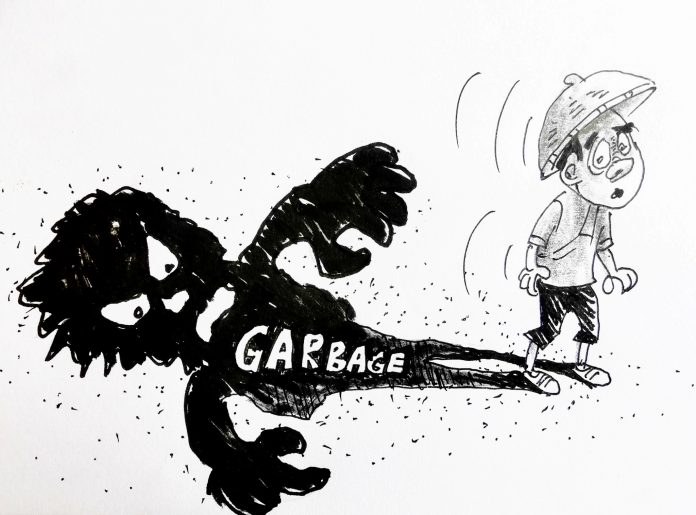
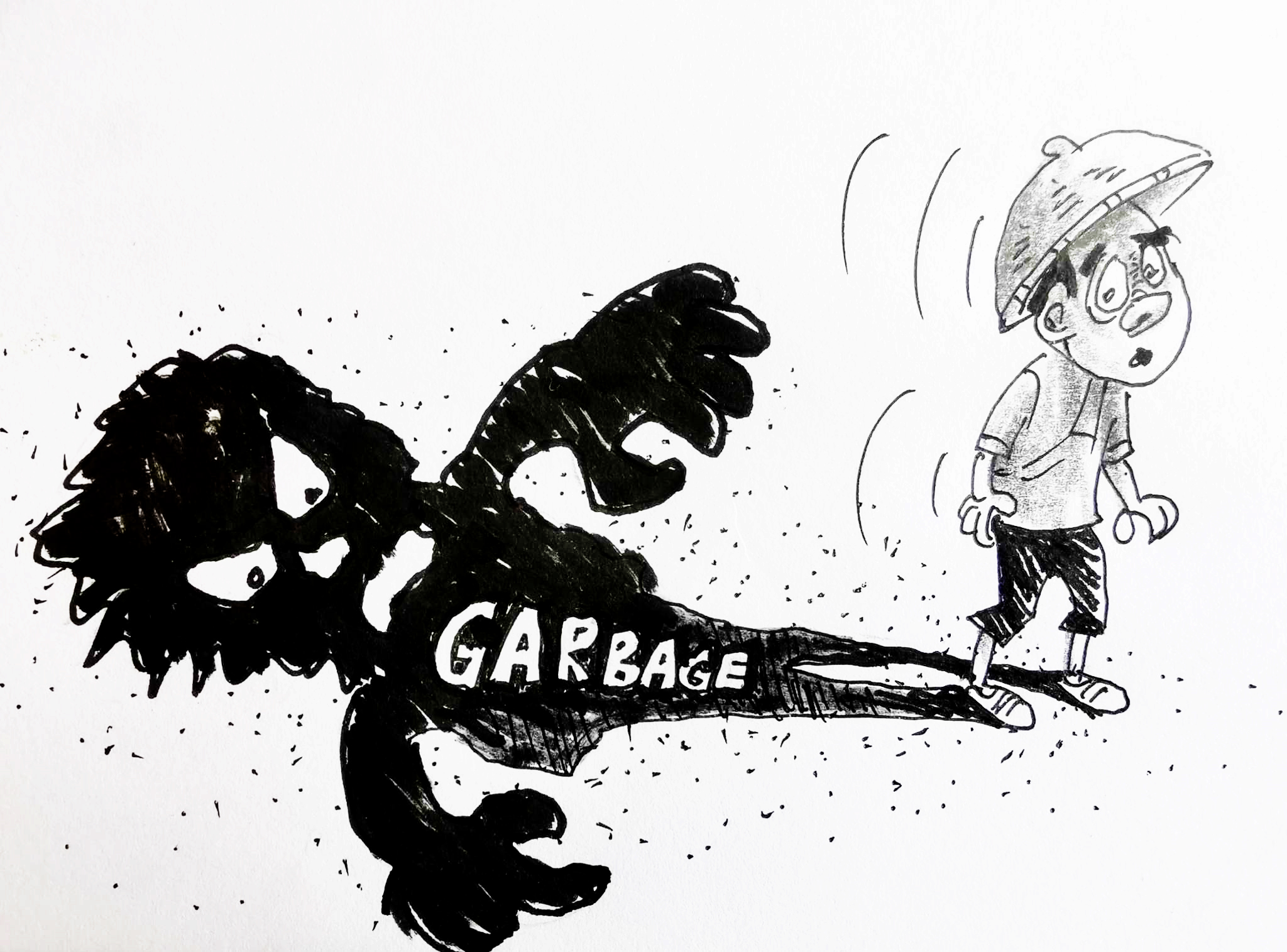
The garbage problem that plagues many towns and cities is not just an environmental issue, it reflects a deeper failure in governance and social responsibility. Despite numerous programs aimed at waste management, many streets remain littered, landfills overflow, and waterways choke on plastic. It’s time to hold everyone accountable—local governments, businesses, and citizens. Unless we shift from complacency to urgency, the garbage crisis will only grow more insurmountable.
One of the most glaring problems is the inefficiency of local waste management systems. Many towns and cities lack the infrastructure or the political will to implement sustainable solutions. Recycling programs, for instance, are often underfunded or poorly managed, leaving much of the collected waste to end up in dumpsites. Some municipalities even resort to open burning, worsening air pollution. The failure of these systems, then, degrades the environment.
Equally disturbing is the culture of irresponsibility among citizens. Many people continue to throw their trash indiscriminately, despite public campaigns and warnings. In some communities, garbage segregation is seen as more of an inconvenience than a civic duty. This lack of cooperation amplifies the problem, making even the best-designed waste management plans ineffective. Without a collective effort, no system can function as intended.
The private sector also bears a significant share of the blame. Businesses, especially those in the retail and fast-food industries, contribute heavily to the waste stream through excessive packaging and single-use plastics. While some companies have made strides toward more sustainable practices, the majority remain reluctant to shoulder the costs of green alternatives. It’s a troubling imbalance where profits are prioritized over environmental stewardship.
To address this problem, a multi-pronged approach is necessary. First, local governments need to overhaul waste management practices and ensure strict enforcement of environmental laws. Second, citizens must be more educated and held accountable for their role in the waste cycle. Finally, businesses should be incentivized—or mandated—to adopt more eco-friendly practices. If these steps are not taken, we risk leaving future generations buried in the waste of our own making.
The golden age of Philippine komiks in the 70s and 80s was an era of simple, but profound joy for millions of readers like me. The thrill of flipping through pages filled with heroic tales, mythological creatures, and moral dilemmas was unparalleled. Yet, the decline of this once-thriving industry is more than just nostalgia fading into obscurity; it’s a tragic loss of culture and an artistic legacy that we failed to preserve. I believe the death of this art form is a result of our collective failure to adapt and support an evolving creative industry.
Back in those days, I remember how sari-sari stores were a hub of excitement for komiks enthusiasts. People, including myself, would line up just to rent the latest issues of Wakasan, Hiwaga, among many others. For a few centavos, we were transported into worlds where Filipino values, heroism, and culture were deeply embedded. Those stories were not just entertainment; they were lessons on morality, bravery, and resilience. But as we entered the digital age, the industry didn’t adapt fast enough, and we as readers, too, let it slip through our fingers, choosing modern distractions over supporting what was once ours.
The shift from print to digital media played a significant role in this decline. Newer generations, who grew up with the internet and mobile devices, were no longer inclined to read printed komiks. In contrast, other countries like Japan managed to keep their manga industry alive by transitioning effectively into digital platforms. I can’t help but feel that if our own komiks creators and publishers had been more proactive in embracing technology, the industry might have survived, or even thrived, in this new era. We missed the opportunity to evolve and expand our audience.
Another factor contributing to the fall of the komiks industry was the lack of institutional support. During its peak, komiks were a grassroots phenomenon, supported by readers and small businesses like sari-sari stores. However, as media consumption diversified, there was no formal structure or substantial investment from the government or large publishing houses to keep the industry alive. I believe if there had been proper funding, grants, or even educational initiatives promoting komiks creation, the art form would have had a fighting chance against foreign entertainment, especially the deluge of Western comics and films.
What saddens me the most is that the stories that made komiks so appealing were distinctly Filipino. They were a mirror of our values, struggles, and victories as a people. Our love for folk heroes, supernatural beings, and tales of triumph over adversity was palpable on each page. Losing this part of our cultural identity is not just a loss of entertainment, but a severing of a link to our past. The younger generations are now growing up without these local narratives, being more exposed to foreign content that doesn’t always resonate with our history and culture.
Komiks in the Philippines was also a platform for aspiring writers and illustrators to showcase their talents. They were a launching pad for many creatives who eventually made a name for themselves both locally and internationally. I often wonder how many brilliant minds have been left untapped in recent years because the medium that once served as their entry point no longer exists. Without the komiks industry, we are losing not just readers but future artists, writers, and cultural storytellers.
I firmly believe that we must reinvest in our local creative industries. Komiks, in particular, should not be allowed to remain a relic of the past. If other countries can modernize their traditional art forms to fit into the digital age, then so can we. We need to create new platforms, whether online or in print, to make local content accessible once again. And just as importantly, we must reignite the interest in our youth, educating them about the cultural significance of komiks and encouraging them to explore this medium as both readers and creators.
Philippine komiks industry is not a lost cause. By reinvesting in this medium, providing institutional support, and harnessing modern technology, we can revive and modernize our komiks tradition. This isn’t just about bringing back an old industry; it’s about ensuring that future generations have access to uniquely Filipino stories, keeping our culture alive in the hearts and minds of our people.
More than being secretive about her escape away from the jurisdiction of all government authorities, dismissed mayor Alice Guo had been in full circles in nooks that law enforcement authorities could hardly find. The simple issues regarding her true identity led to many more issues that unmasked the entry into the country of foreigners, mostly Chinese people, some of whom were reportedly with criminal records.
It took so much time and resources for the senate investigating committees to conduct hearings with the aim of finding the truth. In all the hearings conducted, the dismissed mayor was too evasive answering questions. She had a retinue of lawyers providing counsel on how to answer the questions raised by the investigating committee.
Meanwhile, all concerted efforts by law enforcement authorities could only end in mere sightings of the dismissed mayor who started getting sick and unavailable for the hearings. It slow development in tracking the whereabouts of the dismissed mayor became another concern. Even the public who were following the investigation were getting dismayed over the inaction of the law enforcement authorities.
By all indications, the dismissed mayor had good links and connections with government officials who appear too cooperative with her moves. It was not surprising to all observers that the raids being conducted by law enforcement authorities are steps to late than the evasive moves of the dismissed mayor. Reports of the dismissed mayor moving from one lair to another had embarrassed the authorities as they have ample funds to conduct surveillance operations.
The temerity of the dismissed mayor to be forgetful on basic information about her life in the purported farm and the story about her parents and siblings were insulting the intelligence of the people who were keenly following her incredible story. The confusing tales are tough to believe and concerned people started providing information to belie her story about her life in the farm. Indeed, she was a classmate to many in a private school and her story about being under a tutor was a lie.
Surprisingly, her lying before the senate investigating committee was met with kindness as she was only threatened with contempt. She got off the proverbial hook for lying under oath, not being cited with contempt, much more jailed for her dastardly acts. Unlike other resource persons who easily get cited for contempt and held under detention,
With all the kindness and accommodation extended on the dismissed mayor, she surreptitiously packed her things with the help of all her supporters both with her private connections and with her government connections. Finally, she slipped from all government authorities simply with her furtiveness. comments to alellema@yahoo.com
CLEMELLE L. MONTALLANA,DM, CESE
ASSOCIATE PROFESSOR III
CLEMELLE L. MONTALLANA,DM, CESE ASSOCIATE PROFESSOR III
Some lies when repeated often becomes truth, at least to some!
Corruption has long been a pervasive issue in the Philippines, deeply embedded in various levels of government. This persistent problem not only hampers economic growth and development but also significantly erodes public trust in government institutions. The sad reality is that corruption scandals among public servants have become so rampant that they have created a culture of cynicism and disillusionment among the Filipino people. The cynicism is no longer simple but complex.
Corruption comes in all forms and sizes . Bribery, embezzlement, nepotism, and power abuse are just a few of the ways corruption appears in the Philippines. Public monies meant for infrastructure, healthcare, and education, for example, frequently wind up in the pockets of corrupt officials, depriving the populace of services they need and rightfully deserve and aggravating poverty and inequality.
How much of an impact does corruption have on people’s perceptions? Public trust has significantly decreased as a result of the frequent revelation of corruption scandals. People become distrustful and despairing when they witness their leaders participating in dishonest activities without suffering serious repercussions. Because it calls into question the authority of governmental institutions and the rule of law, this erosion of confidence is harmful to the operation of a democratic society.
The consequences of rampant corruption are far-reaching. It leads to inefficient and ineffective delivery of public services, as resources are misallocated and projects are left incomplete or substandard. Moreover, corruption distorts policy-making processes, as decisions are often influenced by personal gain rather than the public good3. This not only stifles economic growth but also perpetuates social injustices.
There have been initiatives in the Philippines to fight corruption in spite of the dire circumstances. Transparency and accountability have been encouraged by the establishment of numerous anti-corruption laws and organizations. Unfortunately, because corruption is so pervasive and enforcement is so lax, these restrictions have frequently had little effect. The first measures in resolving this issue are to strengthen these institutions and promote an environment of accountability and integrity.
The rampant corruption among public servants in the Philippines is a sad reality that continues to erode public trust. It is imperative for the government and civil society to work together to combat this menace There have been initiatives in the Philippines to fight corruption in spite of the dire circumstances.
Last night , we saw again a case study of corruption and the intricacies was at the very least perplexingly bitter . Sometimes we are more afraid of the person and the persons position than the truth and the legal implications or the possible incarceration.
When will they ever learn ? When will WE ever learn?