
WE should do our best to pursue this ideal. We know that due to our wounded condition here on earth, there is division and conflict between our corporeal and spiritual dimensions of our life. St. Paul articulated this condition well when he said: “I do not do the good I want to do, but the evil I do not want to do—this I keep on doing.” (Rom 7,19).
But there is always hope as long as we also train ourselves precisely to unify our external senses and corporeal faculties, and our spiritual powers. Unifying our external senses and our spiritual powers brings about the basic unity of life we are meant to have. It’s a way to achieve that ideal condition of our life where we become recollected and contemplative even in the midst of our earthly affairs.
And by unity of life, we mean the ideal of first of all letting our spiritual powers be animated by the spirit of God, and then letting our spiritual powers animate our external senses. The perfection of this unity of life is when we manage to unite ourselves in the life and nature of God as we are meant to be, since we are God’s image and likeness.
Of course, our external senses—sight, hearing, feeling, etc.—feed our spiritual powers of our intelligence and will with raw data, but these spiritual powers of ours, in a manner of speaking, should refine and purify the data received, and animate them with the spirit of God, that is, with our faith, hope and charity.
We should avoid reversing the roles between our corporeal and spiritual faculties, making our external senses rule and dominate our spiritual powers. Nowadays, this anomaly is taking place and is quite common even. Our external senses are now overstimulated to such an extent that they deaden or numb our spiritual faculties.
As consequences, we are seeing a rise in mental illness and a greater vulnerability to demonic possessions and other irregular situations. Many people, especially the young ones, are falling into all kinds of obsessions and addictions.
The main problem, of course, is that the senses are not united or inspired by faith. They are just left on their own, ruled mainly by instincts and other biological factors. Or at best they may be guided only by an intelligence that is not yet enlightened by faith.
And things can become so bad that these senses can get quite hostile to anything related to faith that definitely involves spiritual and supernatural realities. We need to realize that the first, last and constant object that our senses should perceive is God since he is the origin of everything, the maintainer of the existence of all things. He is everywhere.
As St. Augustine once said: “To find where God is may be difficult, but to find where he is not, that is even more difficult.” And to be sure, God’s presence in everything is not something cold and indifferent. It is full of love and solicitude. He is always and actively intervening in our lives.
We need to train our senses to be guided by our Christian faith, hope and charity, so we can capture this very consoling reality. They should not just be left on their own, guided and ruled only by factors other than our faith, hope and charity. That state of affairs would lead us nowhere other than trouble.
Thus, if we are serious with guiding our senses and emotions with faith, we have to realize that our faith should not just be an intellectual affair, lived and pursued only in the spiritual world of good intentions and right doctrine. It has to involve the basic elements of our humanity, which are our senses, our feelings, our emotions and passions.


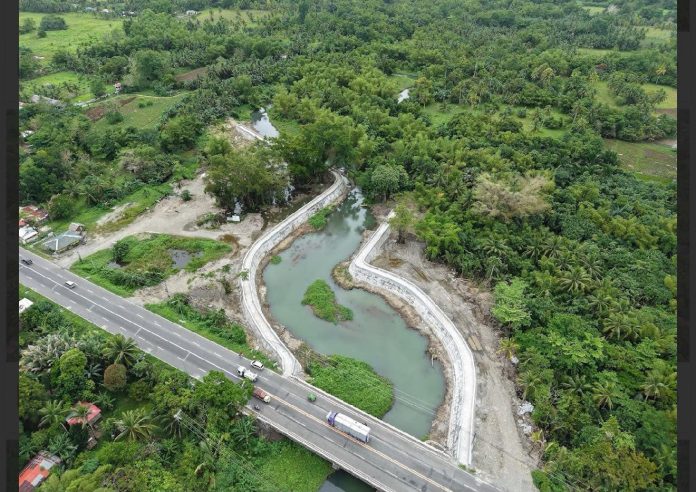
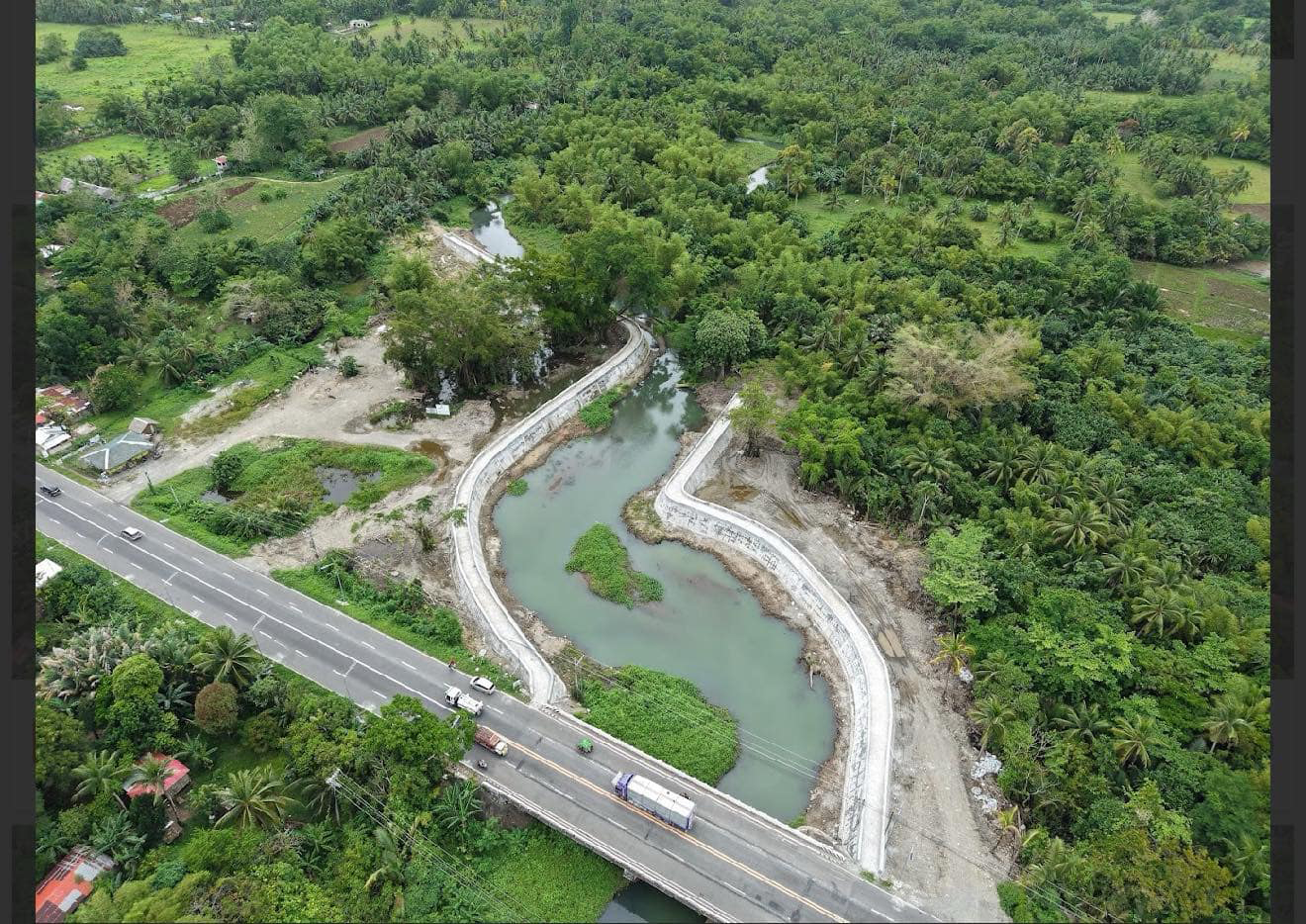
Gahum han Botos (Power of the Vote!)
Tagan ta han higayon an mga presko nga halad para han aton paglambo ngan pagdukwag!
Elections are more than just a democratic tradition—they are a chance to shape the future of our communities and our nation. In the Philippines, we celebrate the right to vote with passion, yet progress often feels out of reach. Why? Because the power of our vote is sometimes overshadowed by old habits and broken systems. But it doesn’t have to be this way. Together, we can change the course of our history.
For too long, political dynasties have held a tight grip on local leadership. These families have passed power from one generation to the next, leaving little room for fresh ideas and new leaders. But we, the voters, have the power to break this cycle. We can choose leaders based on their vision and competence, not their last name.
Vote-buying is another challenge we must overcome. When we sell our votes, we sell our future. A few pesos or a bag of rice might help today, but it won’t build better schools, create jobs, or fix our roads. We deserve leaders who will work for us, not just pay for our support.
We also need to look beyond popularity. A familiar face or a catchy slogan doesn’t guarantee good leadership. Let’s dig deeper. Let’s ask the hard questions: What is their plan? How will they make our lives better? Our votes should go to those who have the skills and the heart to serve.
Social media has made it easier to spread lies and distractions. But we can fight back by seeking the truth and sharing it with others. Let’s focus on real issues, not fake news or empty promises.
The power to change our country lies in our hands. When we vote wisely, we send a message: We will no longer settle for less. We demand leaders who will fight for progress, justice, and equality. We deserve a brighter future, and it starts with the choices we make at the ballot box.
So, rise up, Philippines! Let’s take back the power of our vote. Let’s choose leaders who will lead with integrity, vision, and compassion. Together, we can build the nation we dream of—one vote at a time.