

26.6 C
Tacloban City
July 01, 2026 - Wednesday | 8:37 PM
Home Blog Page 589

California wildfires

0

The wildfires, which are razing Los Angeles and leaving ash and heartbreak in their wake, have whipped up a firestorm of not just the winds of destruction but also a heated debate. Some claim this inferno is divine judgment—a celestial payback for what they see as the city’s moral decay. While I’m not dogmatic in declaring these fires to be God’s judgment, I won’t dismiss the notion that actions—collective or individual—often come with consequences. What I do know is what the Bible says: God should not be blasphemed (Galatians 6:7). History is replete with examples of people reaping the consequence of their mockery, and that’s worth reflecting on.

Let’s talk first about this whole “God’s judgment” theory. It’s a bold thing to say, isn’t it? Almost like saying God is up there, monitoring Hollywood’s every move, with a thunderbolt in one hand and a matchstick in the other. But if we’re being honest, it’s a bit simplistic. California wildfires are not new phenomena; they’re as much a part of the state as its beaches and celebrity sightings. The science behind them is solid—dry seasons, climate change, and human negligence. It’s not probably divine lightning striking these hills aflame; it’s usually just sparks from bad wiring or some careless camper’s smoldering firepit.

But there’s more to it than that. If you think about it, claiming these disasters as divine judgment can feel like scapegoating. It diverts attention away from our human failures: poor land management, urban sprawl, climate indifference—to a convenient narrative of “it’s God’s will.” That mindset is a smokescreen, pun intended. It takes us off the hook for being poor stewards of the earth, a role we were called into in Genesis. If the world is groaning, it’s not always due to someone else’s moral decisions; more often than not, it’s a result of our communal neglect of the environment.

Yet there’s some truth to the thought that to mock God—or rather, to live in rebellion against His principles—comes with a price. The world celebrates ways of life that are based on excess, games of power, and self-focus. The unbridled pursuit of fame, money, and influence is not what leads to flourishing communities; most often, it breeds alienation and chaos. Perhaps the fires are not divine judgment, but they are most certainly a glaring reminder of how quickly things we idolize can go up in flames—literally and metaphorically.
And then there’s the irony of the very people who claim to be God’s mouthpieces during these disasters. They cry, “judgment! “ from pulpits or social media platforms but are suspiciously quiet when it comes to offering practical help. It’s easier to wag a finger at Hollywood than to roll up your sleeves and rebuild homes. Meanwhile, firefighters—modern-day Davids facing the Goliath of infernos—work tirelessly, risking life and limb. These are the unsung heroes.

If judgment belongs to anyone, it’s probably not armchair theologians with apocalyptic soundbites. Remember when you heard the same judgmental comments after the Yolanda devastation when some people claimed it was God’s judgment upon Taclobanons? How did you feel? Did you agree with all your heart? Even if we interpret these disasters as a wake-up call, it’s not our job to hold the gavel. It’s our job to be first responders—not to fires but to pain and loss.

We live in a broken world. Fires, floods, hurricanes—they happen, and often strike indiscriminately. Whether they are divine judgments or the natural consequence of living in a fallen creation is a mystery we may never fully untangle. Maybe the best response isn’t to argue whether the fires are divine retribution but to consider how we respond. Do we rebuild with humility? Do we confront the human factors that are exacerbating these tragedies? Do we offer grace to those suffering instead of judgment? If God is speaking through these disasters, it’s probably less about wrath and more about a call to reflection, stewardship, and love—the kind that rebuilds more than just burned-out homes.

“Whatsoever he shall say to you, do ye”

0

WORDS of Mary to the servants at the wedding in Cana. (cfr. Jn 2,1-11) While the festive celebration was going on, the mother of Christ noticed that wine was running out. She approached him to inform him of the problem, but her request at first was denied. “Woman, what is that to me and to thee? my hour is not yet come,” he told her. But Mary knew how to handle that situation, and in the end Christ’s first miracle took place.

This is a beautiful story that highlights the fact that a good son would always try his best to accommodate whatever his mother would ask even if such request may involve some difficulty. Mary did not force him to accede to her request. She simply made things easy for such request to be eventually granted.

It cannot be denied that mothers somehow enjoy certain privileges with their children, if they are good children. Thus, Mary did not make an issue of the denial she at first received.

It’s this privilege that Mary enjoyed and continues to enjoy with Christ that a saint once said that she is “the safest, easiest, shortest, and most perfect way of approaching Jesus.” It would be a pity if we fail to realize how effective Mary can be as an intercessor for us. Not only that, she actually can anticipate our needs as dramatized at the wedding in Cana.

Indeed, Mary is the epitome of motherhood who knows how to be a mother even to God and to all of us. All of that because of her perfect identification of her will with the will of God, giving us a concrete example of how a human being can be so identified with God’s will that she becomes God’s perfect image and likeness as God wants her and also us to be.

We are often incredulous, even skeptical, about this possibility. But she managed to do it. Obviously, she was given the necessary graces for that. But she also corresponded to those graces with everything that she had, reflecting in the most perfect way the redemptive mission, full of suffering, of her son. How our Lady was and continues to be should also be how we should be.

And she is all there to help us achieve that dignity of being true children of God who can even be a mother of God and a spouse of God as our Lady was the most dutiful daughter of the God the father, mother of God the Son and spouse of God the Holy Spirit.

Let us just imitate our Lady’s perfect faith shown especially when she said, “Fiat mihi secundum verbum tuum,” (Be it done to me according to your word) during the Annunciation. With that faith which for sure she could not understand completely, she put herself entirely under the designs and dynamics of God’s will of love, of redemption, toward mankind.

Let’s see to it that our devotion to her grows. And if it is practically dormant if not dead, then let’s stir it up to life again. She is important to us. In fact, she is indispensable to us. She cannot be treated as an optional feature in our spiritual life, nor something decorative or appendical only.

While she is not God and, therefore, not to be accorded with the worship that is only due to God (latria), she rightly deserves to be given the highest form of veneration (hyperdulia) among all the saints who are already with God in heaven.

Rice keepers

0

Faced with the worsening rice crisis, this panicky government is aiming to copy the rice production technology of neighboring countries like China and Indonesia. Noting that these countries are among the top rice producers besides its being a top rice consumer, the Philippine government is reportedly eyeing to replicate its hybrid rice farming to boost our domestic rice production. Funny action if we consider that our country is the host of the International Rice Research Institute (IRRI) which is based in the University of the Philippines Los Baños campus, in Los Baños, Laguna. It is where rice technology is studied, researched and developed for other countries to apply in its rice production program. Among various countries in the world, we are supposed to be the topnotch rice farmers if only for being home of rice technology.

There is that lurking painful joke about our being a top rice importer than producer in this part of Asia and the world. It has to do with the oft repeated tale about a puzzled Filipino asking a Chinese in deep bewilderment why their country is producing much rice that they can afford to export the staple to the Philippines. The quick answer of the Chinese is that their government is now a rice producing country because they sent scholars to UP Los Baños. This tale may sound a pragmatic albeit painful joke but it speaks very rightly about our true condition. True enough, we are home to rice technology that other countries send their scholars to in order that they may get a bit of that technology.

This brings us to the root cause of our being anemic in terms of rice production. Our country is not lacking in the best manpower in the field of rice farming. We certainly have the best agricultural engineers, agriculturists, farm technicians and rice and agricultural scientists so potent to improve our country’s rice production. These agriculture and farming professionals are the best and the brightest that our government agriculture universities and colleges had produced. They are the finest in the field of rice farming that government can tap in its efforts to improve the rice production from its current levels.

Having the best and brightest manpower that are knowledgeable and skilled in rice farming, there is great reason for our country to be the top rice producer instead of top rice importer. Unfortunately, even if our country improves its rice production, prices remain high as capitalist rice traders are keeping the stocks, thereby controlling rice prices in the market. It appears that the root cause of the suffering rice consumers are the rice keepers.
comments to alellema@yahoo.com

Embracing new opportunities and business ideas for 2025: A guide to a productive year ahead

0

As we stand on the cusp of a new year, 2025 brings with it a plethora of opportunities and innovative business ideas waiting to be explored. In this dynamic landscape of entrepreneurship, starting the year with a proactive mindset can pave the way for success and growth. Let’s delve into the significance and benefits of seizing new opportunities and nurturing creative business concepts for the year ahead.

The Importance of Embracing New Opportunities:

In the ever-evolving world of business, embracing new opportunities is essential for staying competitive and relevant. Whether you are a seasoned entrepreneur or a budding startup, being open to fresh ideas and emerging trends can lead to breakthrough innovations and sustainable growth. 2025 presents a landscape ripe with possibilities, from technological advancements to shifting consumer behaviors, offering a fertile ground for entrepreneurial ventures to thrive.

Benefits of Starting a Productive Year:
1. Innovation and Differentiation: Starting the year on a productive note allows businesses to innovate, differentiate themselves from competitors, and stay ahead of market trends. By exploring new opportunities, companies can carve out unique value propositions that resonate with their target audience.

2. Adaptability and Resilience:
A productive start to the year equips businesses with the agility and resilience to navigate uncertainties and challenges. Embracing change and proactively seeking growth opportunities enable organizations to pivot swiftly and thrive in dynamic market conditions.

3. Strategic Planning and Goal Setting:
Commencing the year with a focus on productivity encourages strategic planning and goal setting. Setting clear objectives, outlining actionable plans, and aligning resources towards achieving milestones are key to driving business success and sustainability.

4. Enhanced Team Morale and Engagement: A productive start fosters a positive work environment, boosting team morale and engagement. Empowering employees to contribute creatively, aligning team goals with organizational objectives, and celebrating achievements create a culture of collaboration and motivation.

Exploring New Business Ideas for 2025:

1. Sustainable Solutions: With a growing emphasis on environmental sustainability, businesses can capitalize on eco-friendly practices, renewable energy solutions, and ethical sourcing to meet the demands of conscious consumers.

2. Digital Transformation: Leveraging cutting-edge technologies such as AI, blockchain, and IoT can revolutionize industries, streamline processes, and enhance customer experiences, opening doors to digital transformation opportunities.

3. Remote Work Solutions: The shift towards remote work has created a demand for innovative tools and platforms that facilitate seamless collaboration, communication, and productivity for distributed teams, presenting a niche market for remote work solutions.

4. Health and Wellness Innovations: The focus on health and wellness has surged, creating avenues for businesses to offer personalized fitness solutions, mental health support services, and wellness products tailored to individual needs.

Conclusion:
As we embark on the journey into 2025, embracing new opportunities and fostering creative business ideas is instrumental in shaping a productive and successful year. By staying agile, innovative, and proactive, businesses can adapt to changing landscapes, drive growth, and make a meaningful impact in the ever-evolving world of entrepreneurship. Here’s to a year filled with possibilities, growth, and prosperity as we navigate the exciting opportunities that lie ahead!
————–
If you have any questions or would like to share your thoughts on the column, feel free to send an email to jca.bblueprint@gmail.com. Looking forward to connecting with you!
Samar launches “Balik Armas’ program to ensure peaceful 2025 elections

0

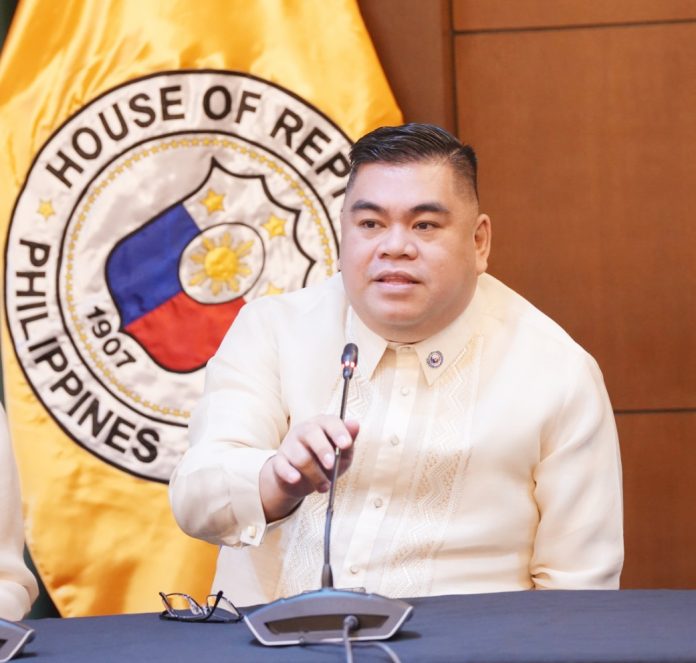
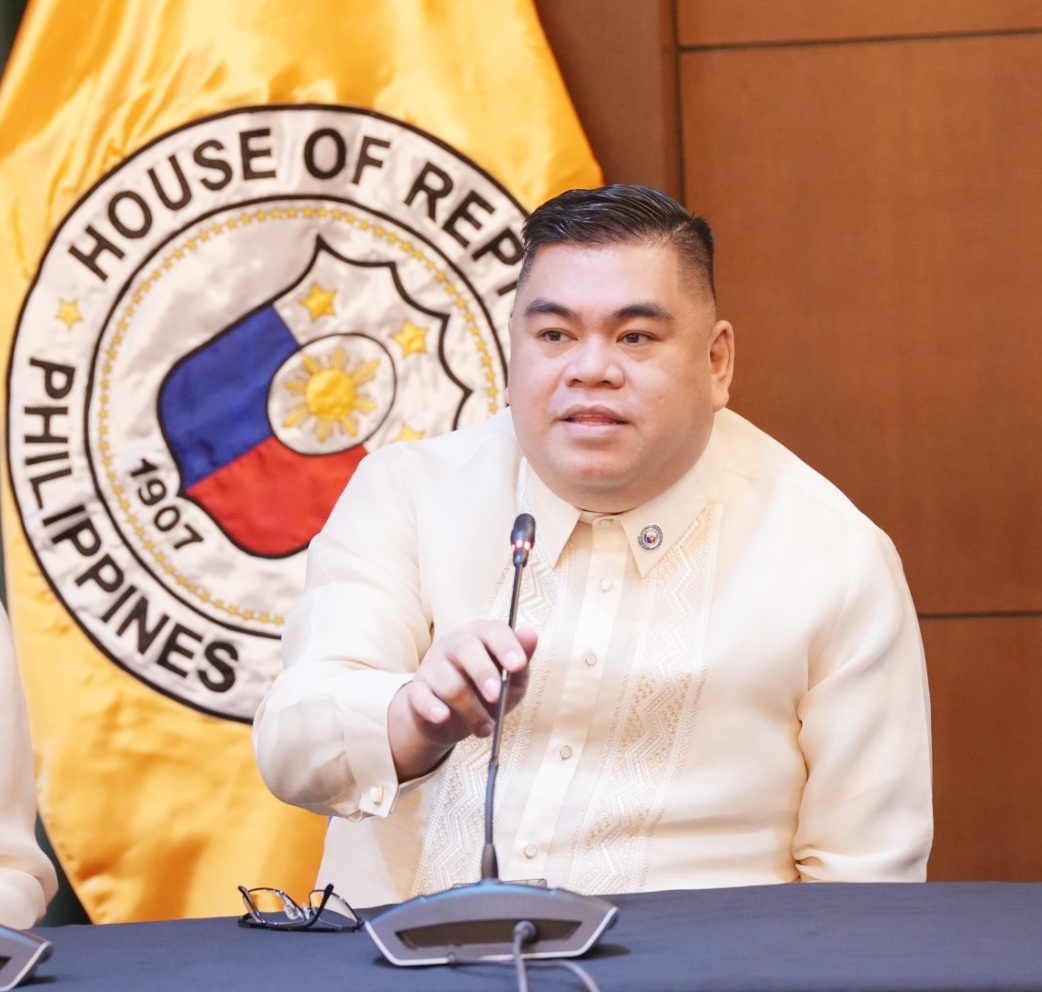
TACLOBAN CITY – The implementation of the ‘Balik Baril’ program in Samar province will be a big help for the province to have a peaceful and orderly May 12, 2025 elections.
Thus said Governor Sharee Ann Tan who joined police provincial director Col.Antoneitto Eric Mendoza during the event.

The Balik Armas Program aims to encourage individuals, especially those in conflict-affected and remote areas, to voluntarily surrender unregistered or loose firearms.
This initiative is part of the Samar Police Provincial Office’s commitment in promoting responsible firearm ownership and reducing the proliferation of illegal firearms often linked to crimes and violence.

During the event, authorities presented a total of 43 surrendered firearms, 30 firearms kept for safekeeping, and 393 improvised firearms from 16 of the province’s 24 police stations and two mobile force companies.

The breakdown of surrendered firearms includes 10 firearms from the 1st Samar Provincial Mobile Force Company; 5 from Jiabong Municipal Police Station (MPS); 4 each from San Jose de Buan MPS, Tagapul-an MPS, and San Jorge MPS; 3 from Pagsanghan MPS; 2 each from Basey MPS, Calbiga MPS, and Daram MPS; and 1 each from the 2nd Samar Provincial Mobile Force Company, Sta. Rita MPS, Motiong MPS, Sta. Margarita MPS, Matuguinao MPS, Gandara MPS, and Calbayog City Police Station

“The Balik Armas Program is a critical step toward achieving a safer and more peaceful Samar. By voluntarily surrendering loose firearms, we are one step closer to preventing violence and building stronger communities,” said Col. Mendoza.

Samar, particularly in the first district, is often included in the list of areas of concern during the conduct of elections in the country due to the presence of armed groups and intense political rivalries, among other reasons.

While the program initially aims to ensure safe and peaceful elections, Mendoza noted that it also addresses the broader issue of loose firearms in local communities. “Even in areas that are not considered election hotspots, we encourage police stations to implement the program,” he added.

The firearms collected will undergo ballistic examination to determine if they were used in any criminal activities.

To support the program, the provincial government provided a P10,000 remuneration to gun owners who surrendered their firearms. In addition, police chiefs from the 16 participating stations received P10,000 cash incentives, along with another Php10,000 for their respective police stations.

Governor Tan appealed to police chiefs and local village officials to encourage more gun owners to surrender their unlicensed firearms, including those with expired licenses.
“This is to avoid untoward incidents, especially during the election period when emotions can run high, and political rivalries can escalate. By minimizing firearms possession, we can prevent unfortunate incidents,” she said.

Tan also urged the remaining four police stations with no accomplishments under the Balik Armas Program to exert more effort in convincing gun owners in their jurisdictions to surrender unlicensed firearms.

Both Governor Tan and PCol. Mendoza emphasized that the Balik Armas Program is a continuing initiative to curb the proliferation of loose firearms in Samar.
“We hope to minimize, if not eradicate, the presence of loose firearms in our communities to ensure lasting peace and order,” said Tan.
(ROEL T. AMAZONA)

Journey to the Episcopal See to Catarman

0
Bishop Nolly Buco. From humble beginnings to the Episcopal See of Catarman.

Bishop Nolly Buco

BY: BOB R. ACEBEDO

Bishop Nolly Buco. From humble beginnings to the Episcopal See of Catarman.

On January 15, 2025, Wednesday, Canon Law expert Bishop Nolly C. Buco was installed as as the new bishop of Catarman diocese to be held at the Our Lady of Annunciation Cathedral, Catarman in Northern Samar.
Simply named “Nolly”, this resonates very well with his persona: humble, unassuming, and magnanimous.
Paradoxes Along The Way
Rightly so. Because his journey from his seminary formation to the priesthood was hatched in humble beginnings. A lowly probinsyano from Southern Leyte, Bishop Nolly’s journey to the episcopate is full of paradoxes: 1) While he failed to qualify in entering two theology seminaries, he later ended up earning a Master’s degree in Dogmatic Theology, a Licentiate in Canon Law, and two Doctorate degrees in Canon Law (JCD) and in Juridical Science (JSD);
2) Erstwhile hopping from one seminary to another and spending a regency period out of the seminary to work in a government agency, he unexpectedly ended becoming a bishop, and even as chairman of CBCP’s Episcopal Commission on Canon Law, and 3) while he struggled with poverty and could hardly afford to pay his seminary fees, he still survived it all to climb the ladder of episcopacy, and becoming the Judicial Vicar of the National Tribunal of Appeals of the Catholic Bishops’ Conference of the Philippines.
Buco took his AB Philosophy from Sacred Heart Seminary in Palo, Leyte, and upon graduation, he was expecting to be sent by his Bishop to Cebu’s San Carlos Seminary for Theologate. But, as his first travail, he was not recommended for admission.
After spending some few months with the diocese, Bishop Nolly decided to come to Manila and look for a job. He landed as a Development Officer of the Department of Social Welfare and Development (DSWD) NCR office, and was assigned in Tanay, Rizal, where he met the late Bishop Protacio Gungon, the first bishop of Antipolo diocese.
Strong Vocation
In early 1989, after two years with DSWD, he approached Bishop Gungon and expressed his intent to continue his priestly studies. Gungon thus recommended him to take the entrance examination at the San Carlos Seminary in Makati City. Again, for the second time, he was deemed not qualified.
Gungon then advised the young Buco to apply at the Immaculate Conception Theology Seminary, Guiguinto, Bulacan, where he spent four years of theological studies.
Bishop Nolly recalls his first year of Theologate at the Bulacan seminary: “When I entered the seminary, my initial payment for my board-and-lodging came from the minuscule separation pay I received from DSWD. My parents could not even afford to provide my monthly allowance for my miscellaneous needs.” He was able to finish his Theology formation through the support of a kind benefactor.
On October 18, 1993, he was ordained priest by his gracious mentor, Bp. Gungon.
Further Studies
Throughout his priestly journey, he laboriously pursued several studies: finished his Master’s degree in Dogmatic Theology; earned his Licentiate in Canon Law (JCL) at UST Manila; obtained his Doctorate in Canon Law (JCD), also from UST, in 2004; attended the PhD program in Anthropology at the University of the Philippines, Diliman, and obtained his Doctorate in Juridical Science (JSD) from San Beda University Graduate School of Law.
Bishop Buco is author of the recently published book, “Freeing Distressed Couples From Guilt: The Need for State Recognition of the Church’s Declaration of Marriage Nullity.” His upcoming book is “Shepherding Christ’s Faithful: A Pastoral Guide on the Juridical Recognition of Pious Associations and Administration of the Church’s Temporal Goods.”


Recent Posts

DALMACIO C. GRAFIL
PUBLISHER

ALMA GRAFIL
EDITOR-IN-CHIEF

ROMEO CEBREROS
OFFICE IN-CHARGE

OFFICE
BRGY. SONGCO, BORONGAN CITY

CONTACT NUMBERS
(055) 261 – 3319 | 0955 251 1533 | 0917 771 0320 | 0915 897 7439 | 0921 511 0010

DALMACIO C. GRAFIL
PUBLISHER

RICKY J. BAUTISTA
EDITOR

ALMA GRAFIL
BUS. MANAGER

OFFICE
RIZAL AVENUE, CATBALOGAN
(INFRONT OF FIRE DEPARTMENT, NEAR CITY HALL)

CONTACT NUMBERS
0917 771 0320 | 0915 897 7439 | 0921 511 0010

EMAIL
lsdaily2@yahoo.com

WEBSITE
www.issuu.com/samarweeklyexpress