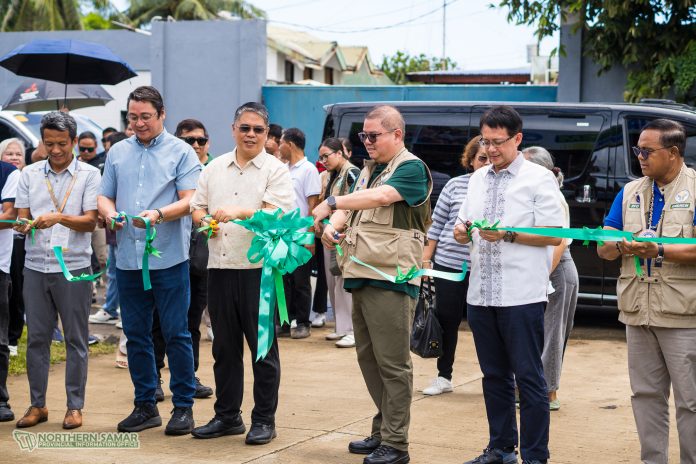
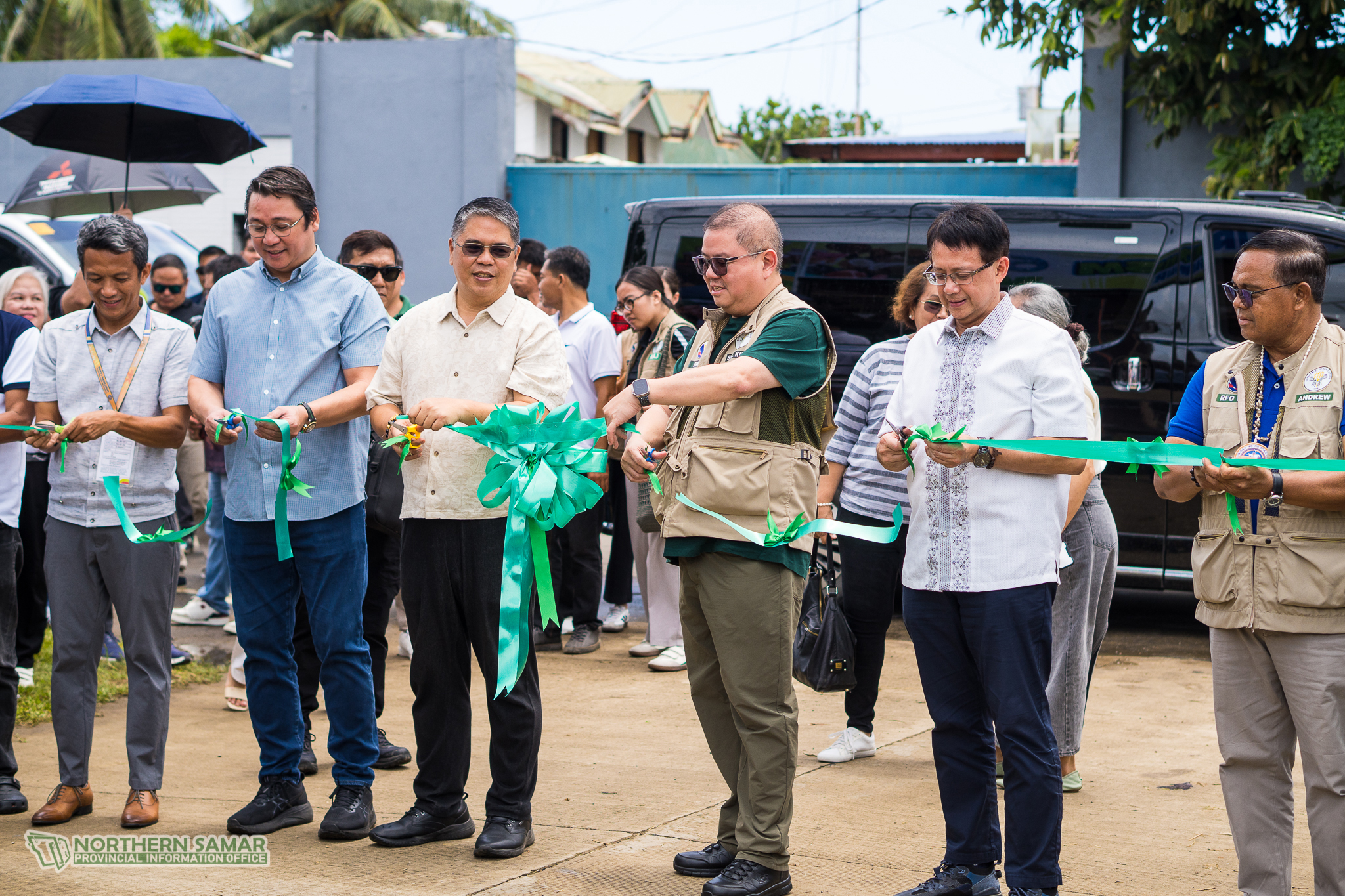
TACLOBAN CITY – In a historic collaboration between the Department of Tourism Region (DOT-8), the Association of Leyte Tour Operators (ALTO), and the six dioceses of Eastern Visayas, the 2025 Ordinary Jubilee Year Pilgrimage Tours were officially launched on Saturday at the Pastoral Hall of the Archdiocesan Shrine of the Sto. Niño.
Anchored on the Vatican-declared theme “Pilgrims of Hope,” the launch marks the beginning of a faith-driven journey that blends spiritual renewal with cultural exploration across the region.
DOT Regional Director Karina Rosa Tiopes said the Jubilee pilgrimage tours offer more than just travel — they are sacred experiences designed to deepen faith through prayer, reflection, and discovery.
“We are not just organizing itineraries. We are building a legacy of faith tourism in Eastern Visayas — one that we hope will last even beyond the Jubilee Year,” Tiopes said, emphasizing that pilgrimage tours are a vital program to boost tourism and spiritual engagement in the region.
She also confirmed that the tours are sanctioned by the Archdiocese of Palo and meet all the requirements for official pilgrimages.
Msgr. Gilbert Urbina, vicar general of the Archdiocese of Palo, highlighted the importance of pilgrimages in strengthening unity within the Church.
Meanwhile, Fr. Chris Arthur Militante, director of the commission on social communications and mass media, provided a background on the spiritual significance of the Jubilee Year and introduced the Archdiocesan Pilgrimage Passport, which will guide pilgrims as they journey through designated holy sites.
Under the Archdiocese of Palo, seven pilgrimage churches have been identified: Archdiocesan Shrine of Sto. Niño, Tacloban City; Palo Metropolitan Cathedral, Palo; Sacred Heart Seminary Chapel, Palo; St. Francis Xavier Parish Church, Abuyog; Immaculate Conception Parish Church, Burauen; Sts. Peter and Paul Parish Church, Ormoc City; St. Francis Xavier Parish Church, Palompon; and Holy Cross Parish Church, Carigara.
Also part of the pilgrimage churches are the Diocese of Maasin (Southern Leyte); Diocesan Shrine of Our Lady of the Assumption (Maasin Cathedral); Sto. Niño Church, Malitbog; Our Lady of the Immaculate Conception Parish, Hilongos; St. Joseph Parish Church, Matalom; 16th-century St. Isidore the Laborer Chapel, Baybay; Diocesan Shrine of St. Anthony de Padua, Baybay; Immaculate Conception Church, Baybay; Shrine of the Holy Cross and First Easter Mass, Limasawa.
In the diocese of Naval, Biliran, Cathedral of Our Lady of the Rosary, Naval; Shrine of Our Lady of Fatima, Calubian; and St. James the Apostle Church, Caibiran while in the diocese of Catarman, Northern Samar: Our Lady of the Annunciation Cathedral, Catarman; Diocesan Shrine of Nuestro Padre Jesus Nazareno, Catarman; St. Michael the Archangel Church, Laoang; St. James the Greater Parish, Allen; Our Lady of the Assumption Parish, Palapag; St. Ignatius of Loyola Parish, Capul; St. Joseph the Worker Parish, Catubig; Most Holy Name of Jesus Parish, Bobon; and St. John the Baptist Parish, Pambujan.
In the diocese of Borongan (Eastern Samar): Nativity of Our Lady Cathedral, Borongan City; St. Joachim the Patriarch Parish, Dolores; Our Lady of the Immaculate Conception Parish, Guiuan; and St. Anthony de Padua Parish, Guiuan.
And in the diocese of Calbayog (Samar):Sts. Peter and Paul Cathedral, Calbayog City; St. Bartholomew the Apostle Church, Catbalogan City; Our Lady of the Annunciation Church, Paranas; and the St. Michael the Archangel Church, Basey.
The DOT and the Church hope that the Jubilee pilgrimage experience will inspire the faithful to reflect on their spiritual journey while appreciating the rich Catholic heritage of the region.
(ROEL T. AMAZONA)