
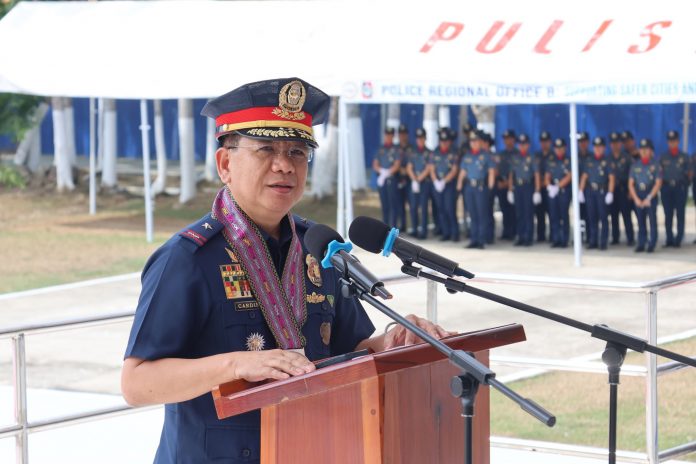
Replaces B/Gen.Capoy
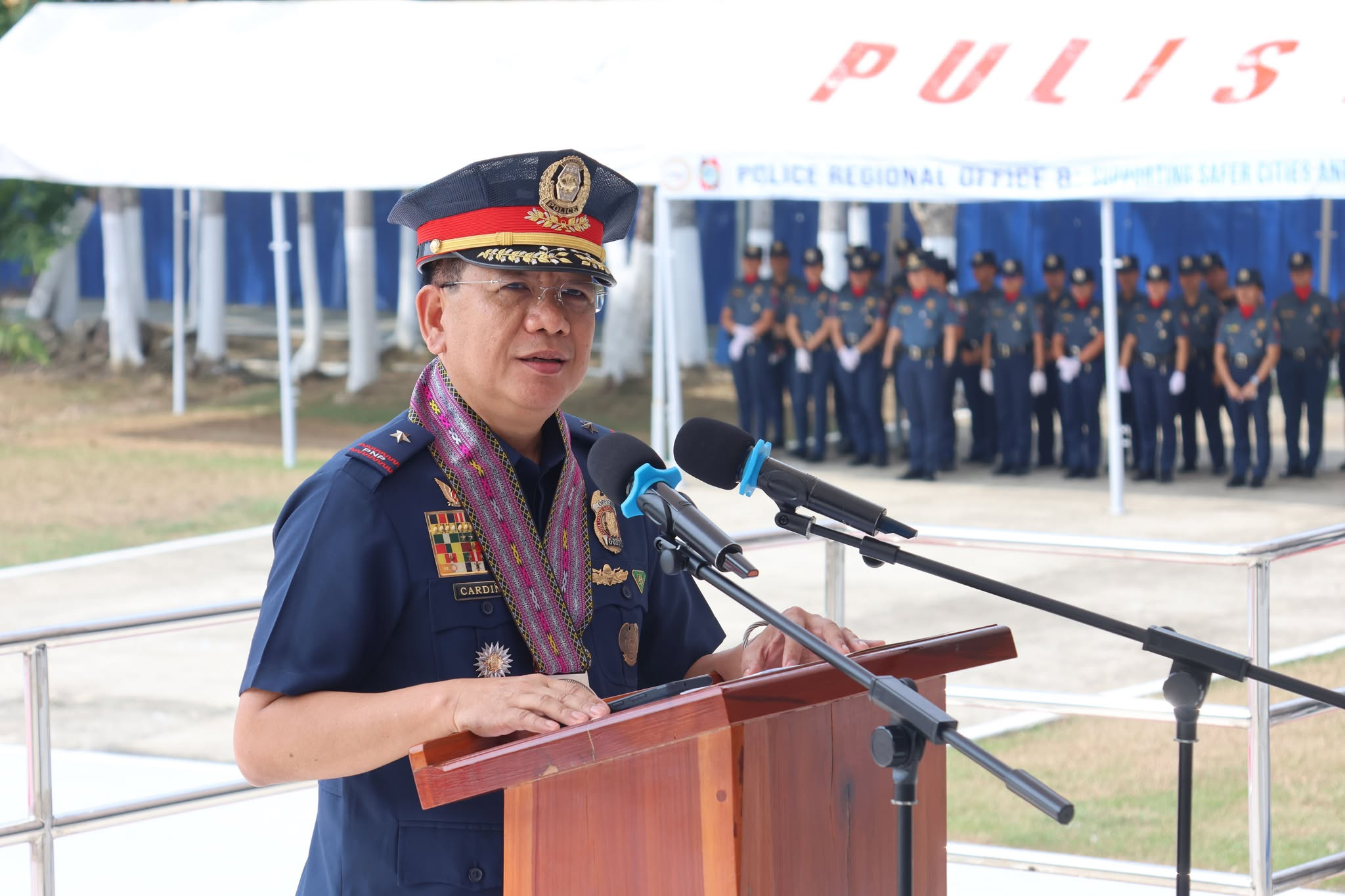
TACLOBAN CITY — Police Brig. Gen. Romano Cardiño has assumed leadership of the Police Regional Office 8 (PRO 8), taking over the regional command at a time when police authorities continue to address peace and order and public safety concerns across Eastern Visayas.
Cardiño formally assumed his post on Tuesday, Sept. 8, succeeding Brig. Gen. Jason Capoy, who has been reassigned to the Philippine National Police (PNP) headquarters in Camp Crame, Quezon City.
He was formally welcomed through arrival honors at the PRO 8 headquarters at Camp Ruperto Kangleon in Palo, Leyte.
Following the ceremony, Cardiño presided over a command conference attended by the PRO 8 command group, chiefs of regional divisions and support units, provincial and city police directors, the Regional Mobile Force Battalion 8 commander and other key officers.
The conference focused on the security situation in Eastern Visayas, ongoing police operations and priority concerns confronting the regional police force.
Cardiño also issued his initial directives and outlined his priorities and the direction he intends to pursue under his leadership.
Before his appointment to PRO 8, Cardiño served as regional director of the Police Regional Office-Negros Island Region, where he oversaw police operations and programs in the newly established region.
He succeeds Capoy, who assumed leadership of PRO 8 on Aug. 11, 2025. Capoy has since been assigned as chief of the Human Rights Affairs Office under the Office of the Chief of the PNP.
Police officials said PRO 8 will maintain the continuity of existing programs while strengthening police operations and service delivery throughout Eastern Visayas.
The leadership transition comes as the regional police command continues its peace and order, public safety and law enforcement operations in the region.
No media interview was allowed during the turnover ceremony.
(JOEY A. GABIETA, LIZBETH ANN A. ABELLA)




The gospel of the crumbs
THIS is about the beautiful Gospel scene (Mt. 15:21-28) where a Canaanite woman, an outsider to Israel, approaches Jesus with unwavering hope, pleading for her daughter tormented by a demon.
She meets what appears to be silence, refusal, and even stern words, yet she allows none of these to extinguish her trust. Her steadfast faith finally opens the door to the healing she had sought with such humble perseverance.
This moving encounter reminds us that when Christ seems silent before our prayers, his silence is never empty. What feels like rejection is often a loving invitation to deepen our faith and widen our hearts. When our petitions meet resistance, we are called not to retreat but to remain steadfast in hope.
Even if the Lord appears to answer us with unsettling words, as he did the Canaanite woman, we should not lose courage. Humility gives perseverance its strength, and perseverance gives humility its quiet beauty. In God’s perfect time, every sincere prayer finds the answer most suited to our eternal good.
We need to learn the gentle art of holy persistence. No desire is too small, no burden too heavy, no situation too impossible to place before the Lord. He always listens, though his answer often surpasses both our expectations and our understanding.
We should never imagine that our repeated prayers weary God or diminish his generosity. The Father delights in hearts that continue to seek him with confidence and childlike trust. Very often he grants not only what we ask but gifts far greater than we could have imagined.
Let us therefore persevere in prayer without growing tired. Steadfast prayer gradually fills the soul with new light, fresh insight, and quiet strength born of divine grace. It rekindles the fading fire of love until it burns brightly once again for God and for others.
The same is true when we faithfully meditate on the Gospel each day. Passages we have read countless times suddenly blossom with unexpected meaning and gentle wisdom. The living Word continually opens new paths that invite us to deeper conversion and generous action.
If God appears to delay his answer, we should remember that he is lovingly forming our hearts. He strengthens faith, purifies intention, deepens humility, and teaches us to seek his will above our own. What seems like waiting is often the hidden work of grace within the soul.
We should also guard against discouragement whenever our petitions seem unanswered. Such sadness often springs from a hidden sense of entitlement that quietly measures what we have already given God. Love, however, never bargains but continues to trust even when it does not yet understand.
Whenever we think we deserve special favors because of our sacrifices, we should become even more humble. The disciple’s heart longs not for recognition but for another opportunity to love and to serve. In this we follow Christ, who came not to be served but to serve and to give his life for many.
Service is the native language of authentic love. It transforms beautiful intentions into living realities and allows charity to take visible form in everyday life. Love becomes credible only when it quietly offers itself for the good of another.
God himself remains our perfect model of this self-emptying love. Christ revealed it supremely on the Cross, and even before that he knelt to wash the feet of his disciples. He invites us to do likewise, discovering that those who persevere in humble love always find the heart of God.