TACLOBAN CITY — Economically disadvantaged students of the City College of Ormoc (CCO) can now receive assistance for daily meals and transportation under a new program launched by the college and the Ormoc City government.
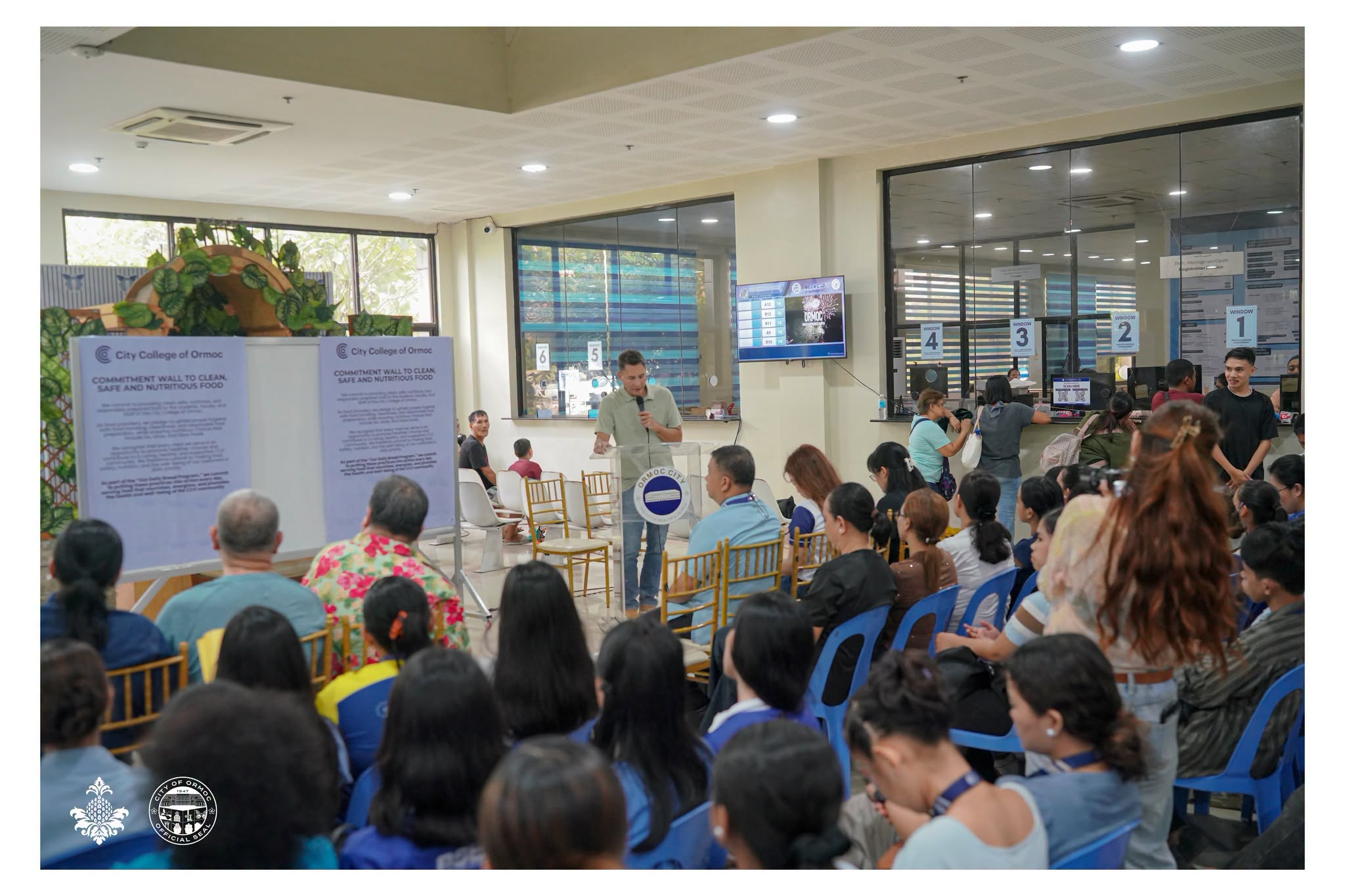
The Our Daily Bread Program (ODBP) was formally launched on September 2 at the Ormoc City Hall lobby, with Acting Mayor Leo Carmelo Locsin Jr. leading city officials during the ceremony.
The program seeks to ease the daily financial burden of qualified CCO students, particularly those who travel from far-flung barangays and spend more on transportation to attend classes.
To qualify, students must be officially enrolled at CCO and verified as economically disadvantaged. Priority will be given to students living in identified far-flung barangays who face higher daily commuting expenses.
The CCO Technical Working Group has formulated screening and prioritization policies to determine eligible beneficiaries and ensure that assistance reaches students with the greatest need.
CCO said the program was established with the support of the city government as part of efforts to address the welfare needs of students and help ensure that financial difficulties do not prevent them from pursuing higher education.
The assistance is intended to help beneficiaries cope with some of the recurring expenses associated with attending college, particularly food and transportation costs.
CCO said the initiative reflects the city government’s continuing efforts to make higher education more accessible to students from economically disadvantaged families.
By providing support for basic daily needs, the ODBP is also expected to help qualified students remain focused on their studies and reduce the financial pressures that could affect their attendance and academic performance.
Also present during the launch were Sangguniang Panlungsod members Tomas Serafica, Peter Rodriguez and Kia Mercadal, and CCO Officer-in-Charge President and College Administrator Atty. Nolito Quilang.
The city government and CCO said the program will provide continuing welfare support to qualified students as they work to make college education more accessible to learners who face financial difficulties.
(ROEL T. AMAZONA)