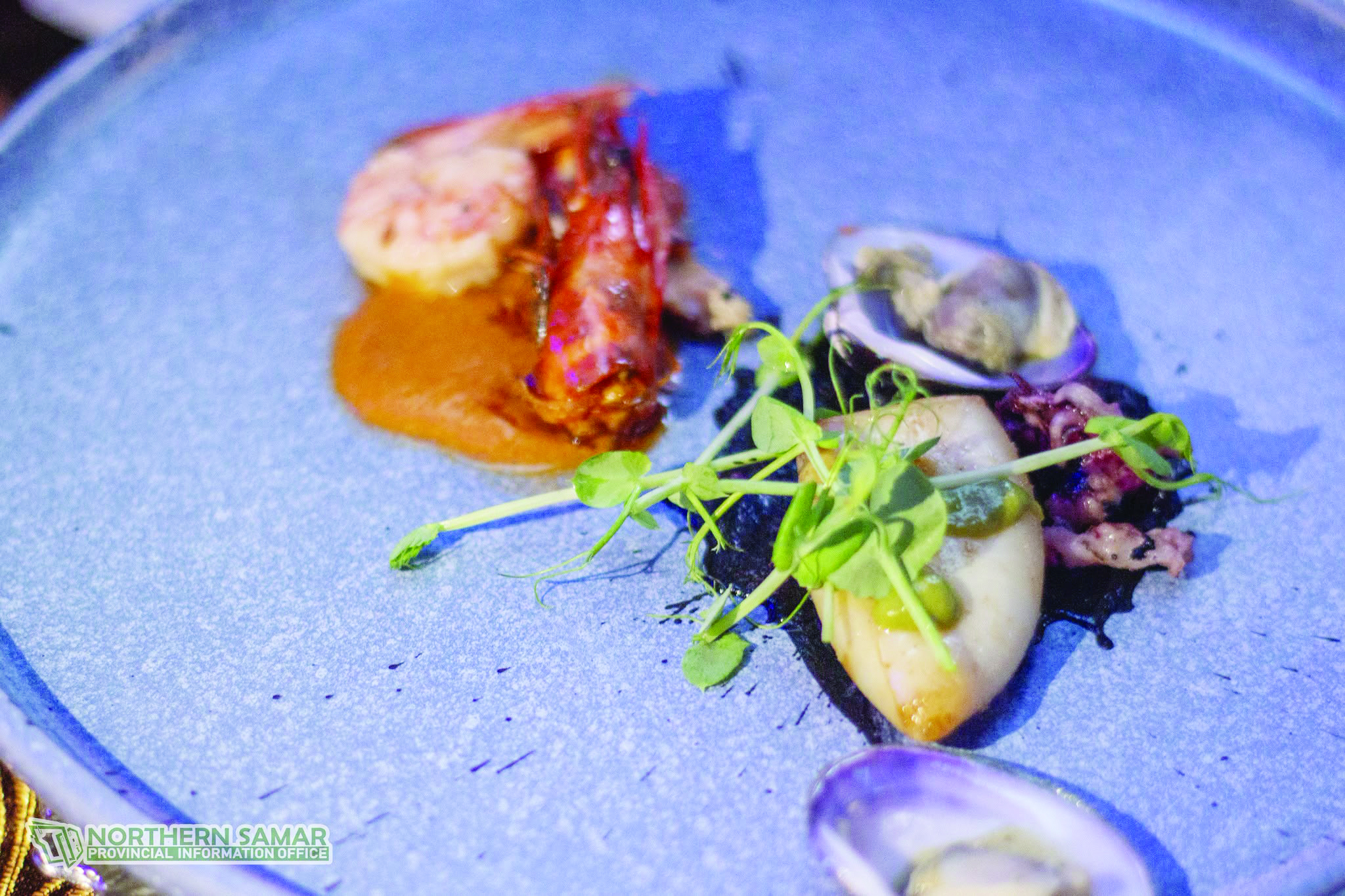
TACLOBAN CITY — Familiar flavors of Northern Samar took on a contemporary character as local chefs transformed traditional dishes and locally sourced ingredients into a nine-course dinner showcasing the province’s rich culinary heritage.
The curated dining experience was held on the final evening of a 14-member team from Techniks That Works Therapy Clinic, which was in Northern Samar for a speech and occupational therapy mission conducted in partnership with the Provincial Government of Northern Samar through the Provincial Social Welfare and Development Office.
Hosted by the C.A.R.E. Learning Center, owned by Jerome and Dr. Rosette Vinarao, the dinner brought together local officials, tourism workers, cultural advocates and other stakeholders.
Chef Jero Rey Sosa and his 10-member culinary team prepared contemporary versions of familiar Nortehanon dishes while retaining their traditional flavors, ingredients and cultural character.
Sosa, a chef instructor at the University of Eastern Philippines (UEP) College of Business Administration’s Department of Hospitality Management, said the initiative sought to introduce Northern Samar cuisine in a new setting without losing its identity.
“Our intention was not to change the identity of the cuisine, but to honor its roots while exploring new ways of presenting and experiencing its familiar flavors,” Sosa said.
Among the featured dishes was pinangat, a local delicacy traditionally made from sun-dried young taro leaves. The culinary team gave the dish a refined presentation and paired it with an umami component made from locally sourced ingredients.
The menu also featured hirapsan, drawing from Northern Samar’s coastal seafood traditions, as well as contemporary interpretations of sugba, tinola and kinilaw.
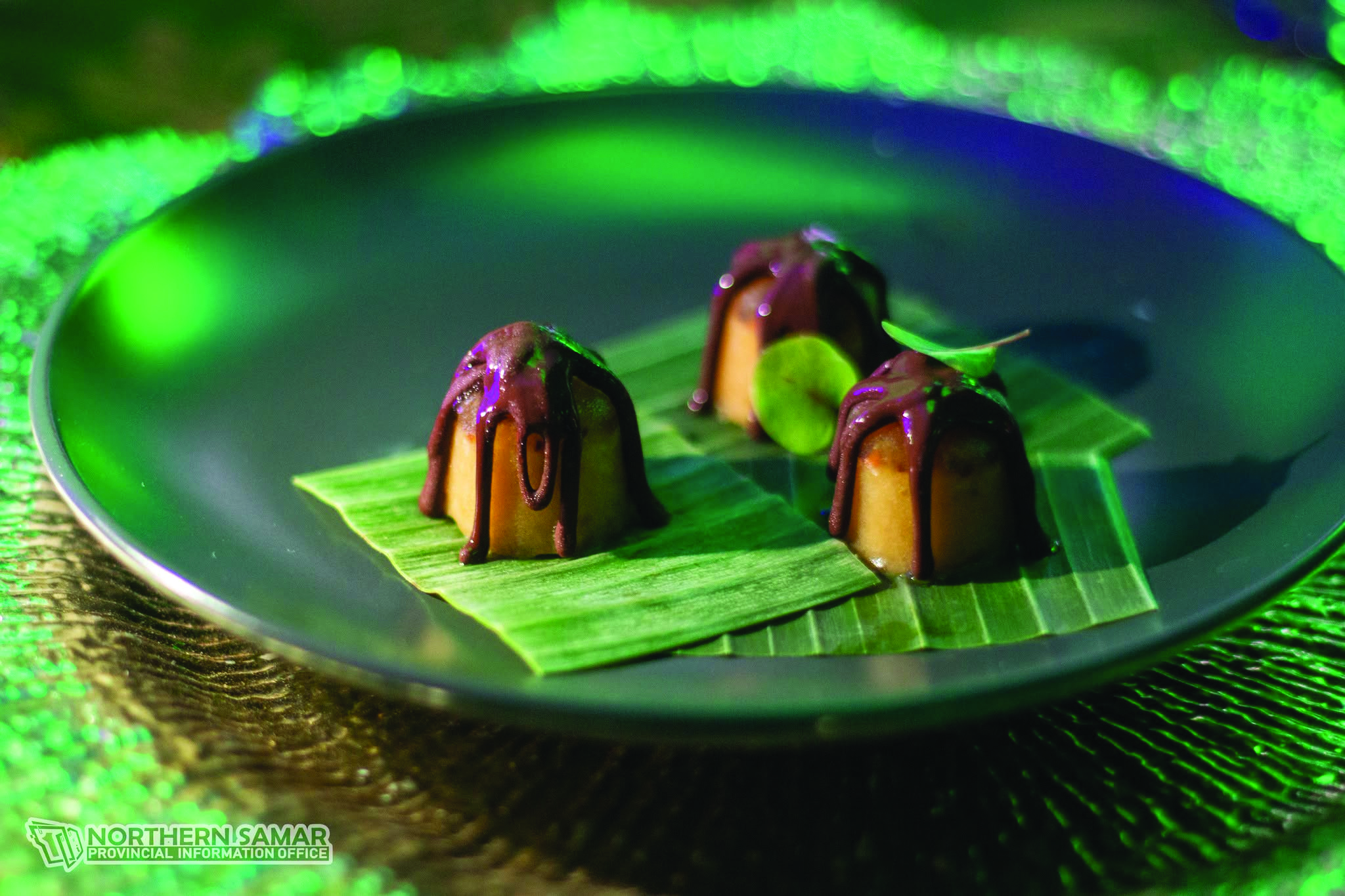
For dessert, the team presented turon entremet, a modern interpretation of the traditional Nortehanon turon, served with house-made coconut gelato and different varieties of pandan.
Locally sourced ingredients were also highlighted in the beverages, including langka juice made from locally grown jackfruit and ganas granita, which used kamote tops balanced with fruity and citrus flavors.
The dinner opened with spinach and onion soup served with toasted bread before proceeding to the succeeding courses.
Among the guests was German entrepreneur and artificial intelligence software expert Oliver Kräbs, who is based in Northern Samar.
Sangguniang Panlalawigan Member Acela Rufa Andrea G. Layug, chairperson of the provincial board’s Committee on Tourism, Culture and Arts, welcomed the initiative, saying it provided an opportunity to promote the province’s culinary traditions.
“I had an amazing experience! Thank you to the C.A.R.E. Program and Chef Jero Rey Sosa for this wonderful initiative to elevate and showcase the flavors and heritage of Northern Samar,” Layug said.
Also attending were former provincial board member Albert Lucero; heritage and cultural worker Carl Sanchez Bordeos; Provincial Tourism Officer Ma. Josette Doctor; San Roque Mayor Mary Ann Avalon, president of the League of Municipalities of the Philippines–Northern Samar; Deo Banida of the Provincial Economic Development, Investment and Promotions Office; Pendong Cafe owner Rusty Atencio; Catubig tourism officer and executive secretary JD Melendres; and Princess Sauro of San Roque TV.
Organizers said the dinner was designed to highlight Northern Samar’s food biodiversity, coastal resources, locally sourced ingredients and culinary traditions passed down through generations.
By presenting traditional dishes through contemporary culinary techniques, the initiative sought to give Northern Samar’s food heritage a wider audience while preserving the stories, flavors and traditions associated with the province’s cuisine.
(ROEL T. AMAZONA)