
TACLOBAN CITY – Financially disadvantaged students who have completed their academic requirements may soon be allowed to participate in graduation ceremonies even if they have outstanding school fees under a measure approved on second reading by the House of Representatives.
House Bill No. 11579, or the proposed Kapakanan ng Magsisipagtapos Act, seeks to ensure that students facing financial difficulties are not deprived of the opportunity to take part in commencement exercises because of unpaid financial obligations.
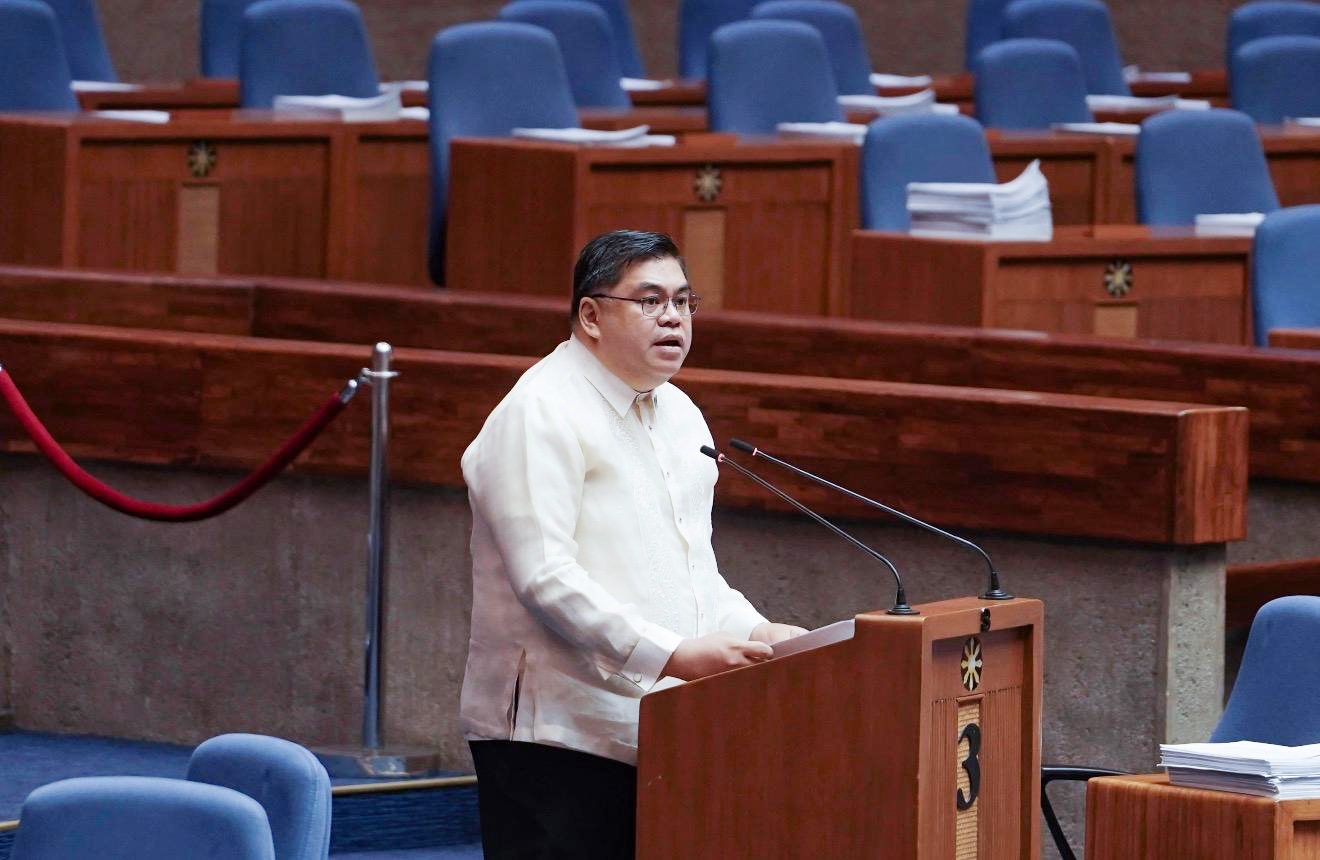
The measure was sponsored by Tingog party-list Rep. Jude Acidre, chairperson of the House Committee on Higher and Technical Education.
“Because a graduation should recognize how far a student has come, not how much that student still owes,” Acidre said.
The proposed legislation covers public and private colleges, universities, and technical-vocational institutions offering courses lasting more than one year.
To qualify, students must obtain certification of their financially disadvantaged status from the appropriate local social welfare office or the Department of Social Welfare and Development (DSWD), citing calamities, emergencies or other justifiable circumstances.
However, the measure does not condone unpaid school obligations. Educational institutions may still require students to execute promissory notes, withhold diplomas and other academic records until full payment, and pursue legal remedies to recover outstanding fees.
Schools that violate the proposed law may face administrative sanctions from the Commission on Higher Education (CHED) or the Technical Education and Skills Development Authority (TESDA), depending on the institution concerned.
Acidre said the proposal aims to strike a balance between educational institutions’ right to collect legitimate payments and students’ opportunity to celebrate their academic achievements despite financial difficulties.
He said the measure recognizes that compassion and accountability can coexist, and that fairness to educational institutions should not come at the expense of students who have worked hard to complete their studies.
(LIZBETH ANN A. ABELLA)