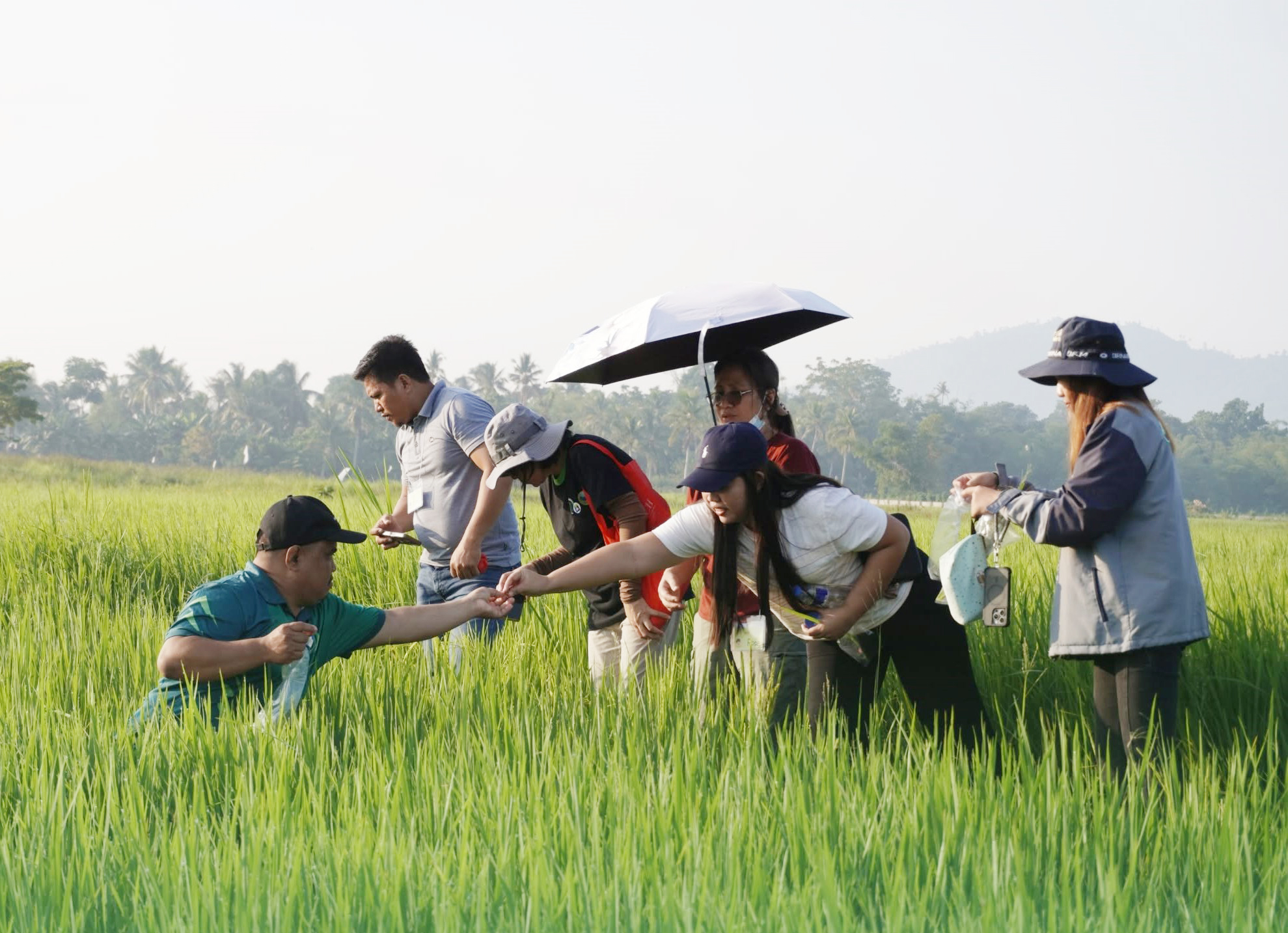
(DA-Eastern Visayas)
TACLOBAN CITY — Improved palay production and tighter rice importation have helped keep Eastern Visayas’ rice supply stable, even as the region continues to rely on outside sources to meet its total requirement, the Department of Agriculture said.
Rodel Macapanas, officer-in-charge regional technical director of the Department of Agriculture-Eastern Visayas (DA-8), said local palay production currently accounts for about 80 percent of the region’s rice requirement, making Eastern Visayas rice-secure although it remains below self-sufficiency.
Macapanas said Philippine Statistics Authority (PSA) data showed that the region’s rice production has generally declined since 2020.
The trend, however, showed signs of improvement this year, with palay production increasing by 3.4 percent in the second quarter of 2026. Macapanas attributed the improvement largely to increased local harvests.
He also said the outlook for the May and October cropping seasons remains favorable.
Macapanas clarified that being “rice-secure” is different from being “rice-sufficient.”
Eastern Visayas does not produce enough rice to meet its entire consumption requirement, but local production supplies a substantial portion of the demand, with the balance coming from outside the region, including imported rice.
Based on National Food Authority figures cited by Macapanas, the region requires about 500,000 bags of rice, with local production supplying roughly 80 percent of the requirement.
The agriculture official said local rice farmers also benefited from improved palay prices during the latest harvest following measures to regulate rice imports.
He recalled that farmgate prices of palay previously fell to nearly P12 per kilogram amid an oversupply of imported rice. Farmers were estimated to need about PHP14 per kilogram just to break even.
At one point, the region required only about 40,000 bags of imported rice, but around 80,000 bags were entering the market, nearly twice the requirement.
“With warehouses already filled with rice, buyers had little reason to purchase locally produced palay,” Macapanas said.
With imports becoming more limited, he said farmers were able to sell palay at better prices during the latest harvest.
About PHP21 to PHP23 per kilogram, while properly dried palay reached around PHP27 per kilogram, although prices varied across provinces.
Macapanas said Eastern Visayas continues to receive imported rice, but supplies have been limited, particularly with reduced availability from countries such as Myanmar and Thailand.
He also acknowledged that some consumers prefer imported rice but said locally produced rice can compete if farmers observe proper harvesting and post-harvest practices.
Proper harvesting, drying and handling, he said, can help preserve the quality of local rice and make it more competitive with imported varieties.
Macapanas stressed that maintaining a stable rice supply requires a balance between rice imports and support for local farmers, noting that excessive imports could depress palay prices and undermine the livelihood of rice producers.
(LIZBETH ANN A. ABELLA)