(DOT-EASTERN VISAYAS)
TACLOBAN CITY — The Department of Tourism (DOT) is pushing for the creation of a regional cruise tourism roadmap aimed at guiding the sustainable development of the growing cruise industry in Eastern Visayas.
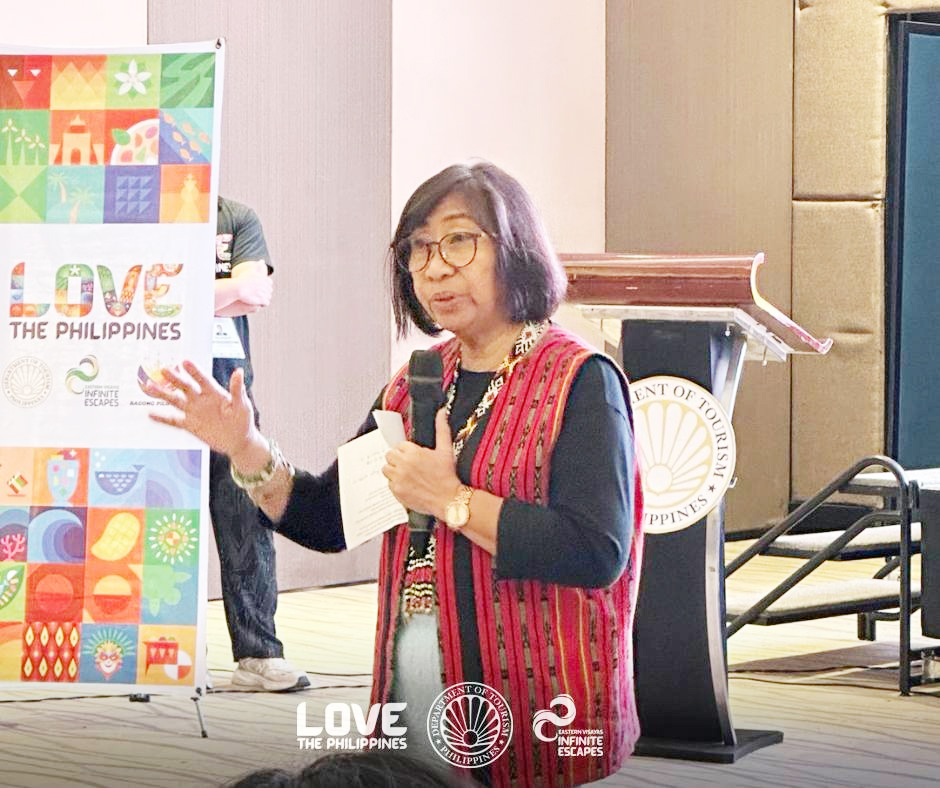
The initiative was discussed during a presentation of key findings on the impacts of cruise tourism in Eastern Visayas held on February 27 at the Summit Hotel, this city.
Tourism officers and local chief executives from municipalities and provinces that have hosted cruise ship visits attended the event, where stakeholders examined opportunities and challenges facing the emerging tourism sector.
Resource speaker John Paolo Rivera presented an overview of the current cruise tourism landscape in Eastern Visayas, highlighting the industry’s economic potential while pointing out operational and sustainability concerns.
Rivera said cruise ship visits provide direct economic benefits to coastal communities, stimulate the growth of micro, small, and medium enterprises, and help boost the region’s visibility in international tourism markets.
He noted that Eastern Visayas has increasingly become a preferred stop for expedition-style cruise itineraries, with repeat visits recorded in destinations such as Kalanggaman Island and Cuatro Islas.
Other sites that have begun attracting cruise tourism include Capul Island, Biri Island, Lavezares, Maripipi, Sambawan Island, Higatangan Island, and Limasawa Island.
According to DOT-8, interest from international cruise operators continues to grow. For the 2027–2028 season, a French luxury cruise line has already conducted site assessments in several locations in the region as part of its evaluation for possible inclusion in future itineraries.
Participants in the meeting also discussed ways to strengthen community-based tourism, develop sustainable shore excursions, and promote collaborative destination marketing among local government units and tourism stakeholders.
The situational analysis presented during the activity underscored the need for strategic planning, strong community participation, and environmental stewardship to ensure that cruise tourism development benefits host communities while protecting natural and cultural resources.
The proposed Eastern Visayas Cruise Tourism Roadmap will be developed based on survey results and consultations with stakeholders to guide the long-term and sustainable growth of cruise tourism in the region.
(ROEL T. AMAZONA)