TACLOBAN CITY — Disability-inclusive search and rescue was formally introduced for the first time in the Eastern Visayas Regional Rescue Jamboree, with more than 160 rescuers undergoing specialized training aimed at improving emergency response for persons with disabilities and other vulnerable groups during disasters.
The Disability-Inclusive Search and Rescue (DiSAR) program was integrated into the 2026 Eastern Visayas Regional Rescue Jamboree, held in Ormoc City from July 12 to 17, through lecture forums, practical demonstrations, and simulated rescue scenarios involving persons with disabilities.
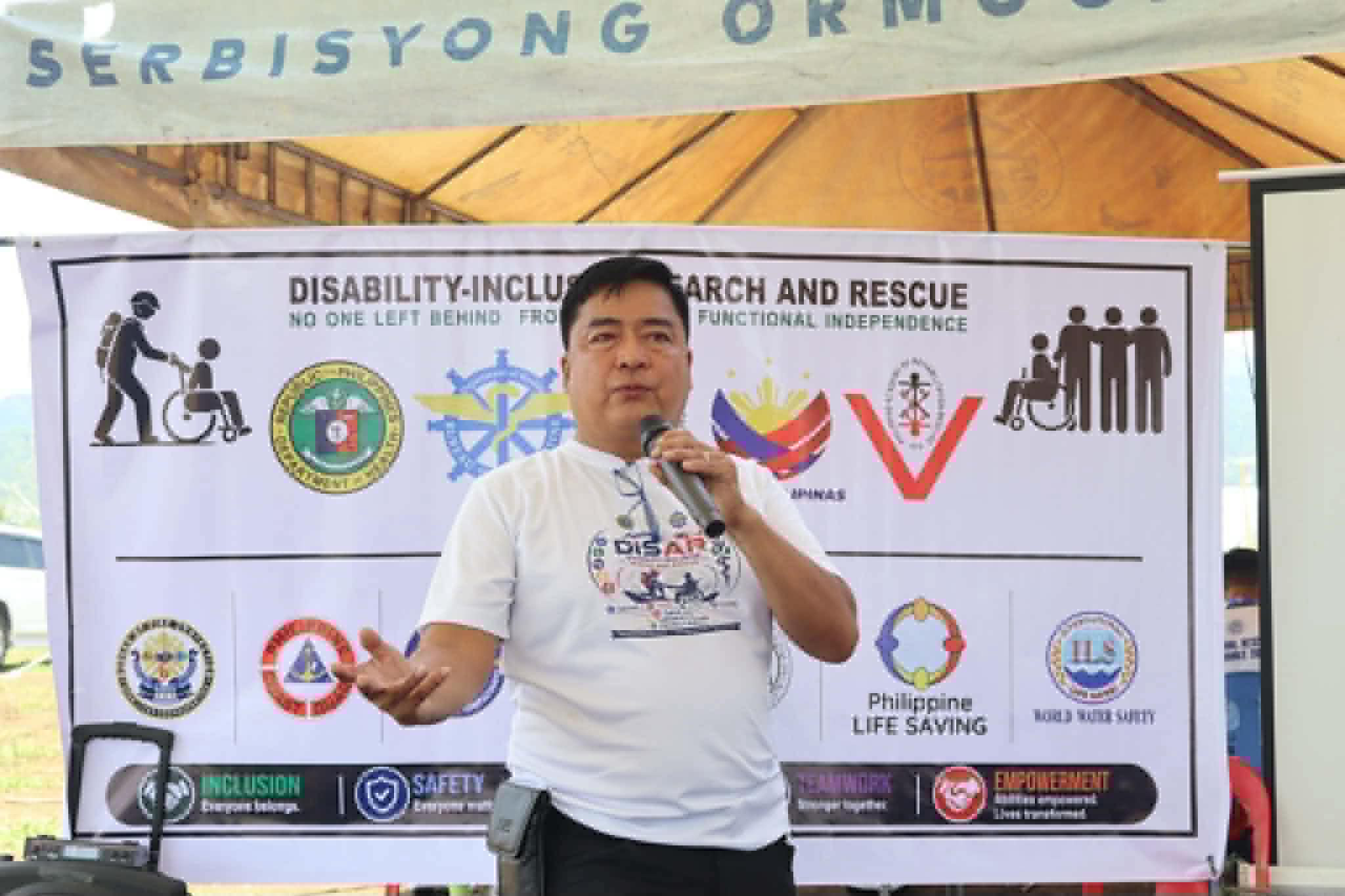
According to Dr. Raymund Balverde, founder and overall lead of the DiSAR program, the initiative broadens the traditional scope of rescue operations by ensuring that responders not only save lives but also protect the dignity, mobility, and independence of survivors.
“Disability-inclusive rescue recognizes that successful emergency response is not measured solely by survival. It also means preserving a person’s function, independence, and dignity throughout the rescue and evacuation process,” Balverde said.
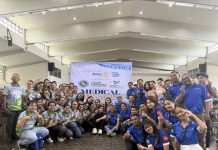
More than 160 rescuers representing the 68 participating rescue teams attended the DiSAR forum, while teams competed in three disability-inclusive rescue scenarios designed to simulate real-life emergencies involving persons with disabilities.
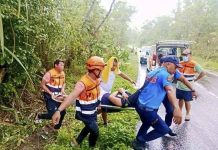
The exercises included assisting Deaf individuals during infectious disease outbreaks, remotely guiding newly blinded survivors following a radiological emergency, and rescuing and transporting persons with suspected spinal cord injuries in an active conflict setting.
The program was facilitated by a multidisciplinary team composed of rehabilitation medicine specialists, orthopedic surgeons, physical therapists, and trained volunteers, demonstrating that disability-inclusive rescue techniques can be integrated into existing emergency response systems without compromising operational efficiency or responder safety.
The event was attended by Office of Civil Defense (OCD) Region VIII Acting Regional Director Erwin Rommel Lamzon, who observed both the DiSAR forum and the mobility challenge.
Lamzon lauded the initiative, saying it strengthens the region’s capacity to provide more inclusive disaster response.
Balverde said the Philippines’ vulnerability to typhoons, earthquakes, floods, and other emergencies underscores the need to ensure that disaster response systems address the needs of persons with disabilities, senior citizens, and others with functional limitations.
“Save Life. Preserve Function. Protect Dignity. These principles define disability-inclusive rescue and remind us that every survivor deserves not only to live but also to retain their mobility, independence, and dignity,” he said.
The DiSAR program is expected to serve as a model for integrating disability-inclusive practices into search and rescue operations across the country.
The annual Eastern Visayas Regional Rescue Jamboree, organized by the Office of Civil Defense, gathers emergency responders from local government units, uniformed services, hospitals, and volunteer organizations to enhance disaster preparedness and interoperability through realistic rescue competitions and specialized training.
(JOEY A. GABIETA)