After celebrating Christmas and New Year, garbage usually piles up in many corners of towns and cities. This recurring mess is unacceptable and reflects both weak discipline and a failure of local waste management. The situation demands firm correction, not excuses.
These heaps of trash are not just unsightly; they pose real threats to public health. Rotting food waste attracts rats, flies, and stray animals, while clogged drains invite flooding and disease once the rains come. Communities pay the price through increased illness, foul surroundings, and a degraded living environment that lingers long after the holidays are over.
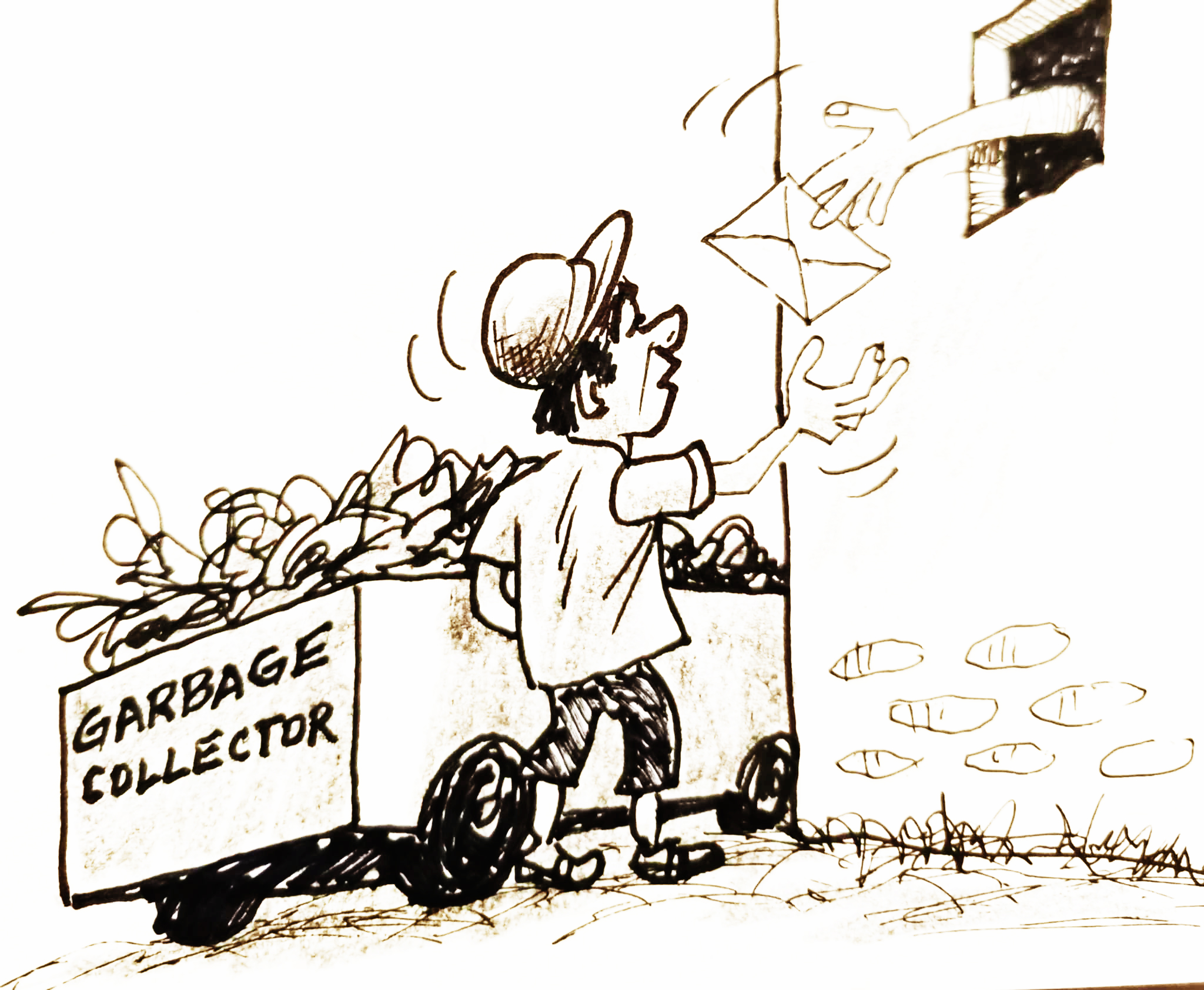
A disturbing practice worsens the problem: some garbage collectors deliberately skip trash piled along streets and corners. Instead of collecting what is clearly scheduled for pickup, they favor areas where residents are expected to hand over cash. Public streets are then neglected, while garbage inside subdivisions is prioritized because money changes hands there regularly.
This informal payment system turns a public service into a selective privilege. Residents who refuse or cannot afford to pay are left with accumulating waste, while collectors operate with little fear of sanction. Such behavior undermines fairness, violates the purpose of public employment, and exposes local governments’ failure to supervise their own workforce.
Authorities must act decisively by enforcing clear collection routes, monitoring garbage crews, and penalizing both neglect and illegal collections. Transparent reporting systems and strict supervision can end these practices and restore order. Clean streets after the holidays should be the rule, not a favor bought with cash.