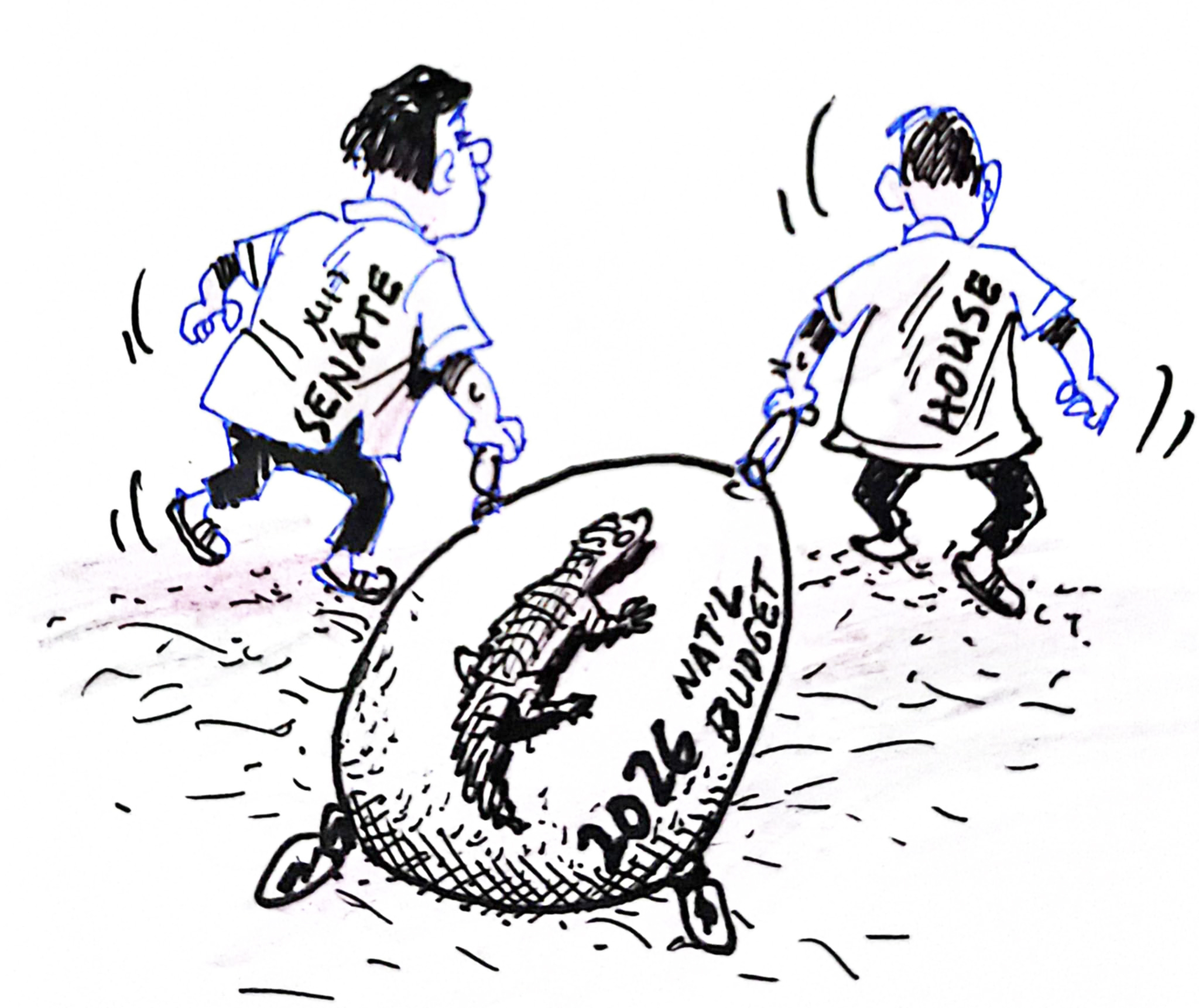
The passage of the 2026 national budget by Congress and the Senate, despite questionable “unprogrammed” appropriations, is a troubling act that raises serious doubts about the integrity of the country’s budget process. Even more disturbing is the manner in which dissenting voices were silenced, with some legislators reportedly denied the opportunity to question or explain their objections. Such conduct demeans institutions that claim to be deliberative and accountable.
Unprogrammed appropriations are not harmless technical insertions; they are discretionary pools of money that often escape strict scrutiny and transparent sourcing. When embedded in a national budget, they create fertile ground for abuse, backroom deals, and political accommodation. History has shown that vague budgetary items can serve as convenient channels for pork, patronage, and outright plunder, especially when oversight is weak and transparency is deliberately blurred.
Equally alarming is the apparent suppression of debate during the budget’s passage. Legislatures are supposed to be arenas of reasoned argument, not conveyor belts for executive or leadership dictates. When elected representatives are prevented from speaking, questioning, or registering dissent, the budget ceases to be a product of collective judgment and becomes an imposition by a powerful few. This undermines the very idea of representation and reduces lawmaking to a hollow ritual.
The speed and silence that accompanied the budget’s approval suggest a deeper problem than fiscal policy alone. They point to a political culture that prioritizes convenience over conscience and obedience over accountability. Lawmakers who benefit from opaque allocations have little incentive to demand clarity, while leadership that tolerates muted debate signals that scrutiny is unwelcome. In such an environment, corruption does not merely slip through cracks; it is effectively invited.
Restoring credibility to the budget process requires firm structural correctives. Unprogrammed appropriations must be subjected to strict limits, clear conditions, and mandatory disclosure. More importantly, Congress and the Senate must reclaim their duty as forums of open debate, where objections are heard rather than buried. Without transparency, genuine deliberation, and the courage to question questionable provisions, no budget—however large or ambitious—can claim to serve the public good.