TACLOBAN CITY — Farmers in Eastern Samar will have the opportunity to compare various rice production technologies under actual field conditions as 26 agricultural companies participate in the 2026 Rice Derby, a large-scale demonstration project covering nearly 150 hectares in Dolores town.
The participating companies are showcasing hybrid rice varieties, bio-fertilizers, soil ameliorants, and other technologies aimed at increasing farm productivity and helping farmers adapt to climate-related challenges.
The rice derby began its seeding activities on July 15 in Barangays Gap-ang and Jicontol, with the Department of Agriculture(DA) regional office leading the initiative in partnership with the provincial government of Eastern Samar and private agricultural companies.
The 149.67-hectare demonstration area will allow participating firms to showcase their products and technologies under actual farming conditions.
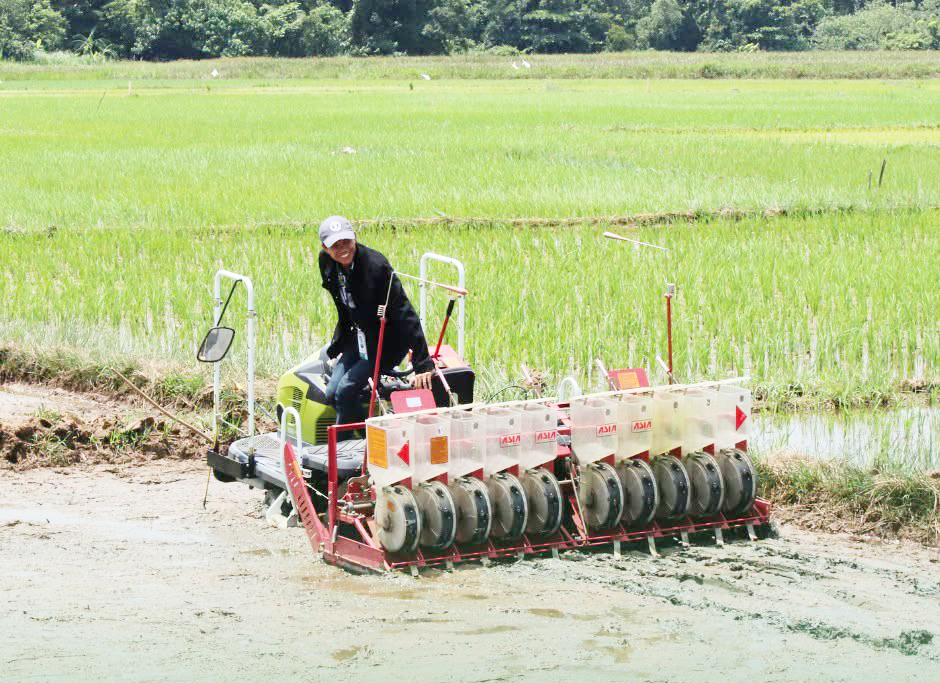
During the kickoff, modern planting methods, including precision seeding and drone-assisted seeding, were demonstrated to show how technology can improve planting efficiency, reduce labor requirements, and promote more uniform crop establishment.
Throughout the cropping season, farmer-cooperators will monitor and evaluate the performance of the different technologies, allowing them to compare the results of various products and farming practices.
The rice derby serves as a technology demonstration platform where farmers can assess innovations that may help increase rice yields, improve farm efficiency, reduce production challenges, and promote more sustainable and climate-resilient rice production.
The initiative is part of continuing efforts by the agriculture sector to encourage the adoption of appropriate technologies and improve rice productivity in Eastern Samar.
(ROEL T. AMAZONA)