(THE PROVINCIAL NORTHERN SAMAR INFORMATION OFFICE)
TACLOBAN CITY — Northern Samar is pushing to expand its abaca industry beyond raw fiber production with plans to establish an industrial park in Silvino Lubos, aimed at boosting value-adding activities and generating more jobs for local communities.
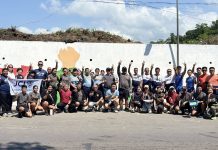
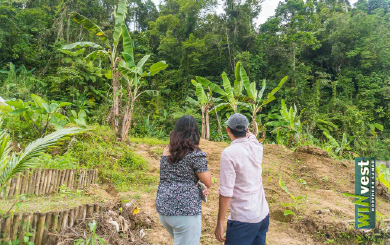
The Provincial Economic Development and Investment Promotion Office (PEDIPO) recently conducted a site inspection and consultations with local officials for the proposed Ibabao Abaca Industrial Park, part of ongoing efforts to identify a suitable location for the project.
The proposed site, covering about three to five hectares, was evaluated for its potential to host processing facilities and necessary support infrastructure.
Local tourism officials also joined the assessment, underscoring the importance of inter-agency collaboration in determining the project’s viability.
Authorities said the area’s accessibility and strategic location make it a strong candidate for abaca-based enterprises. Beyond processing, the site may also support farm tourism initiatives such as educational tours, product demonstrations, and cultural activities that could provide additional income streams for residents.
Silvino Lubos is known for its rich abaca resources, positioning it as a natural hub for downstream processing once the industrial park is established. Officials said the project is expected to enhance productivity, create employment opportunities, and stimulate sustainable economic growth in the municipality.
Northern Samar remains the top abaca producer in Eastern Visayas.
Based on data from the Philippine Statistics Authority, the province produced 6,766.16 metric tons of abaca fiber in 2025, accounting for nearly 65 percent of the region’s total output.
With over 12,000 hectares devoted to abaca farming, the crop continues to be a primary source of livelihood for thousands of farmers, while also supporting related sectors such as trading, processing, and transport.
Provincial officials said the proposed industrial park aligns with broader efforts to attract investments and promote sustainable enterprises under a bio-circular green economy framework, ensuring that economic growth goes hand in hand with environmental protection.
(ROEL T. AMAZONA)