TACLOBAN CITY — Traffic and cargo movement across the San Juanico Bridge have eased after months of congestion, as government agencies coordinated alternative routes and adjusted load restrictions to restore inter-island trade between Leyte and Samar, the Philippine Ports Authority (PPA) reported.
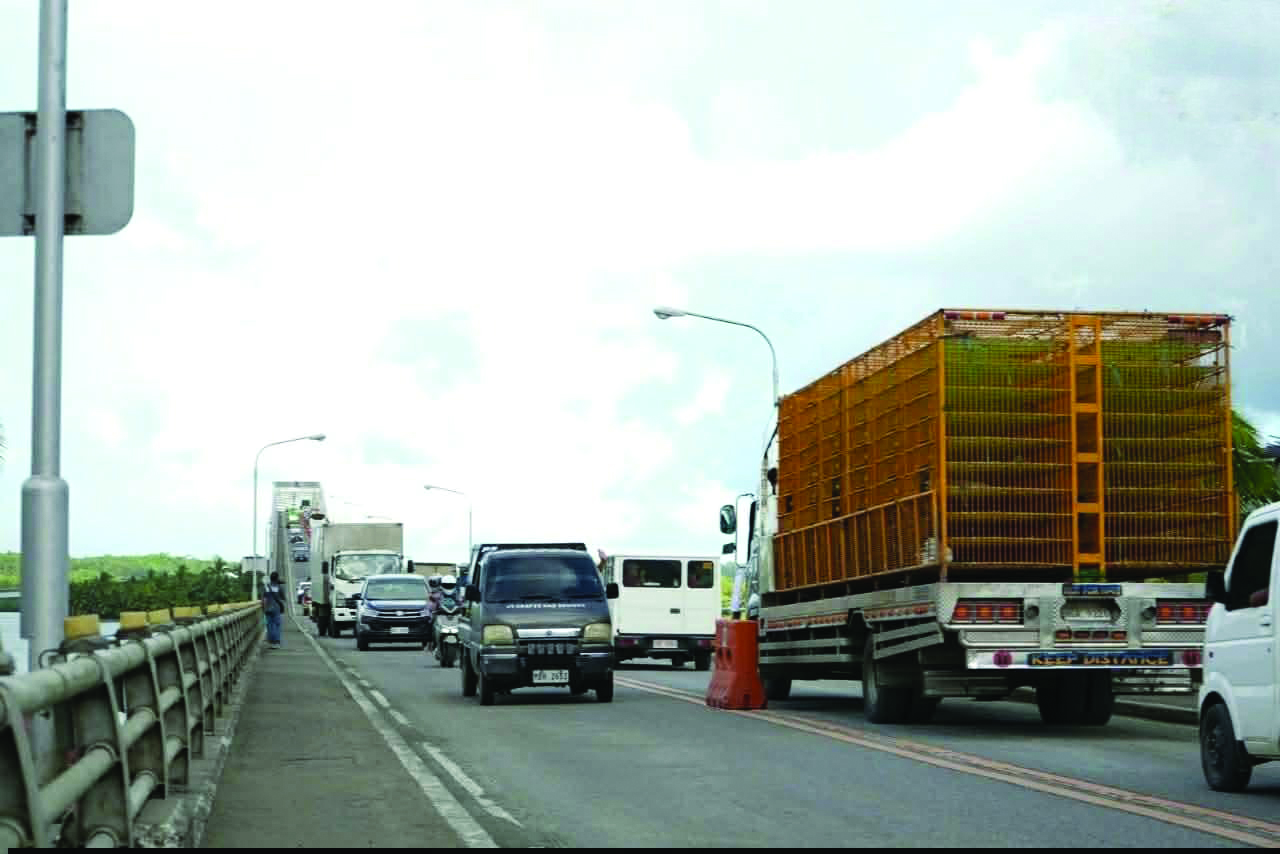
Monitoring on Monday, December 29, showed no truck queues along the Tacloban Bypass Road and Amandayehan Port in Basey, Samar, after the Department of Public Works and Highways (DPWH) implemented a two-way load limit on December 12.
Vehicles of up to 15 tons can now cross the 2.16-kilometer bridge freely, while 30-ton trucks are allowed only during restricted times using a single lane to ensure structural safety.
“Restored traffic flow has improved logistics efficiency, reduced turnaround time for cargo and perishable goods, and strengthened inter-island connectivity, contributing to the stabilization of economic activity in Eastern Visayas,” PPA General Manager Jay Santiago said.
The months-long congestion, from May 16 to December 12, 2025, was caused by stricter load limits that disrupted the movement of commercial vehicles and essential goods. To ease the strain, PPA designated Amandayehan Port as an interim cargo route, handling 7,256 rolling cargoes across 2,632 ship calls from June to November. At peak operations, the port accommodated around 800 trucks daily.
Infrastructure upgrades at the port, costing over P400 million, included expansion for Roll-on/Roll-off and Landing Craft Tank vessels, dredging for navigational depth, and installation of navigational aids. Truck queuing and traffic management systems were implemented to prevent bottlenecks on major roads.
PPA emphasized that continued inter-agency coordination, port modernization, and adaptive operational planning remain critical to maintaining safe, efficient, and reliable maritime connectivity across the region.
(JOEY A. GABIETA)