Principally authored by Rep. Martin Romualdez
TACLOBAN CITY— Lawmakers are pushing for the passage of House Bill No. 2, a measure that would exempt millions of overseas Filipino workers (OFWs) from directly paying PhilHealth premiums, in response to mounting financial pressures faced by Filipinos working abroad.
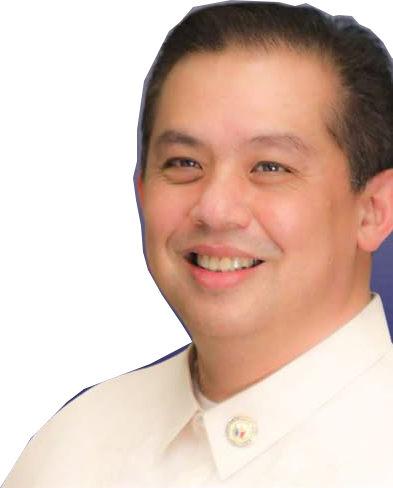
The bill, principally authored by former Speaker Ferdinand Martin Romualdez and co-authored by House Committee on Higher and Technical Education Chair Jude A. Acidre of Tingog party-list, is currently under review by the House Committee on Health and its technical working group.
Under the proposal, the national government would shoulder half of OFWs’ PhilHealth contributions, while the remaining half would be covered by their employers. Any unused subsidy would be redirected to improve benefits or lower future premiums.
Acidre emphasized that the measure recognizes the economic sacrifices of OFWs, who sustain families and businesses back home through remittances and taxes. “Requiring them to pay more for health coverage would be unfair, especially amid rising global costs,” he said.
The move also responds to concerns from labor groups and health policy experts that mandatory payments are often difficult to access abroad, particularly for land-based workers on short-term contracts. Experts note that the bill aligns with global best practices, where migrant workers’ health coverage is typically shared between employers and host governments.
“This is a corrective measure,” Acidre said. “Universal health care must be universal in protection, not universal in burden.”
Economists warn that while remittances remain resilient, OFWs are increasingly affected by higher housing, food, and medical expenses overseas.
Lawmakers stress that swift approval of HB No. 2 would provide timely relief to millions of migrant workers and affirm the government’s commitment to their welfare.
If enacted, the bill would represent one of the most significant reforms in OFW social protection in recent years.
(JOEY A. GABIETA)